
Last updated November 23, 2026
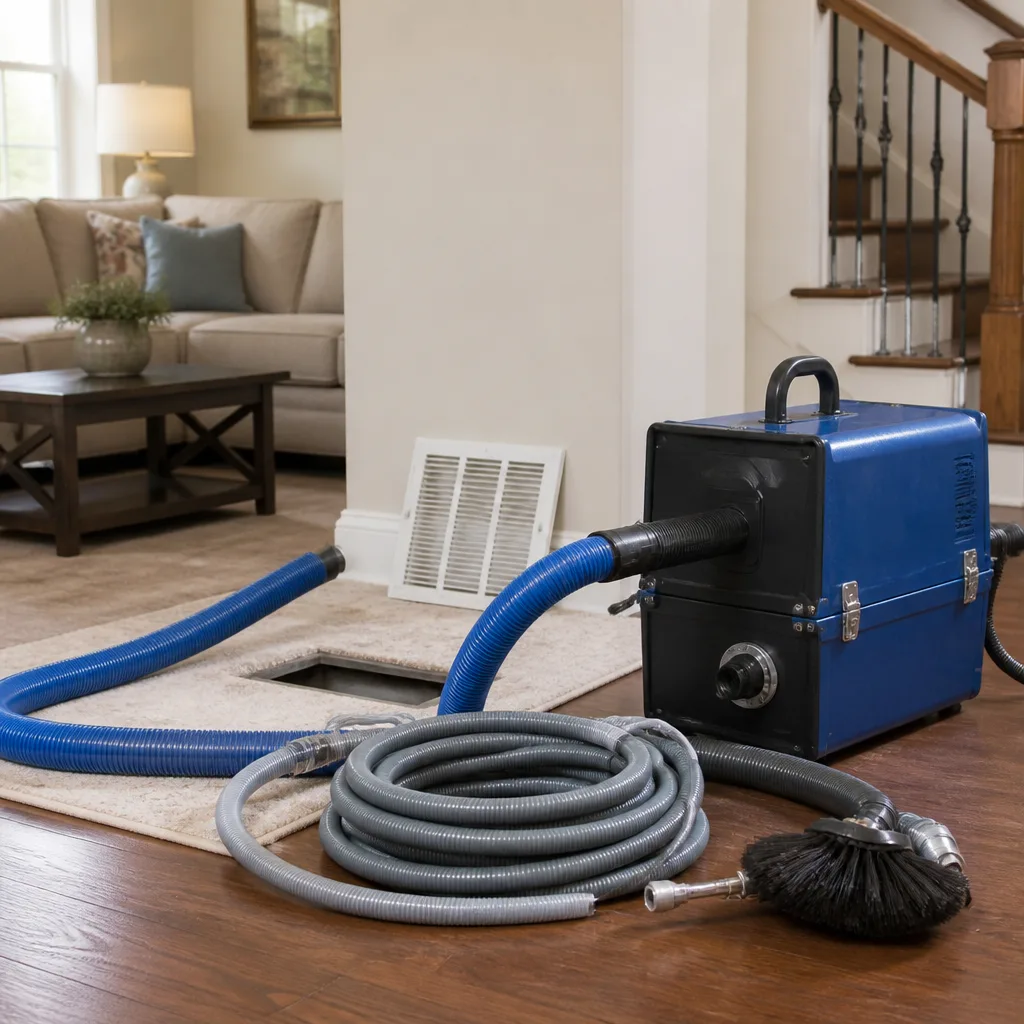 Whole-home duct cleaning
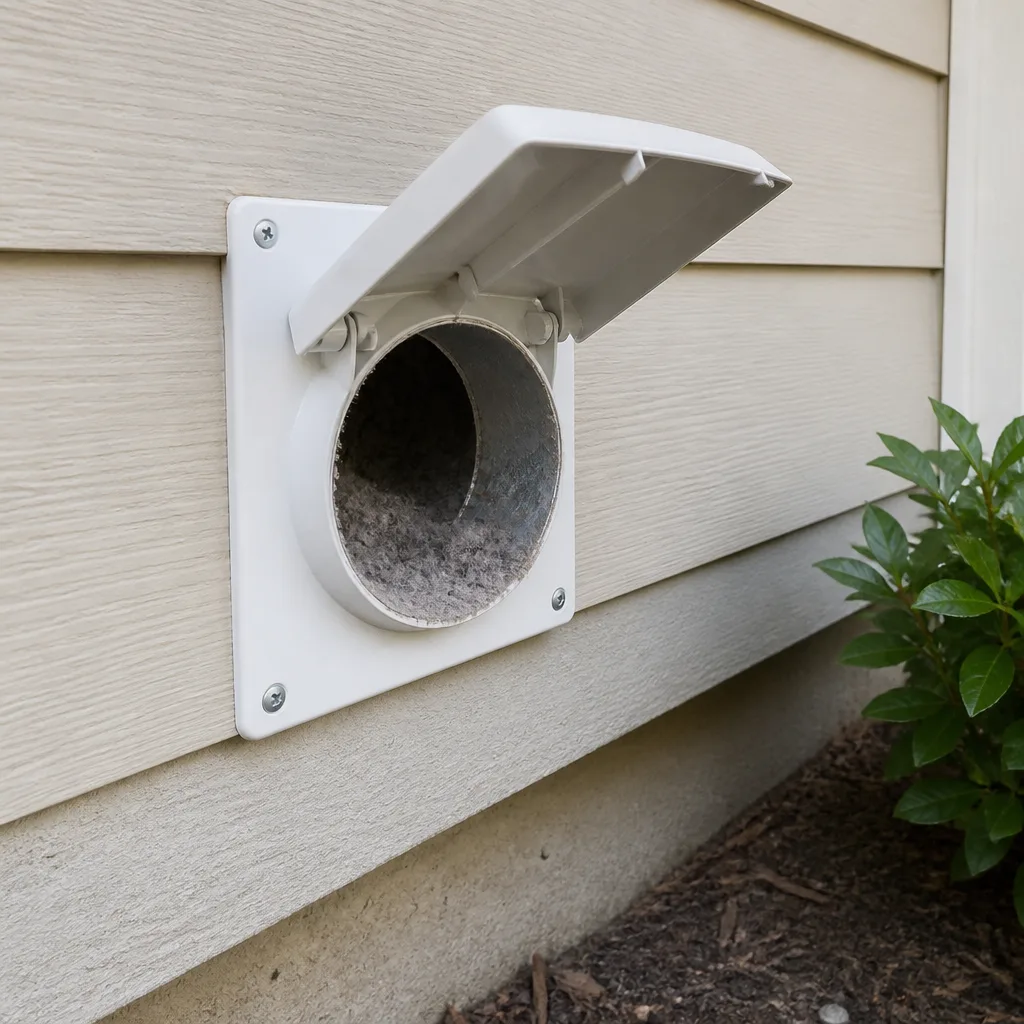 Dryer vent cleaning
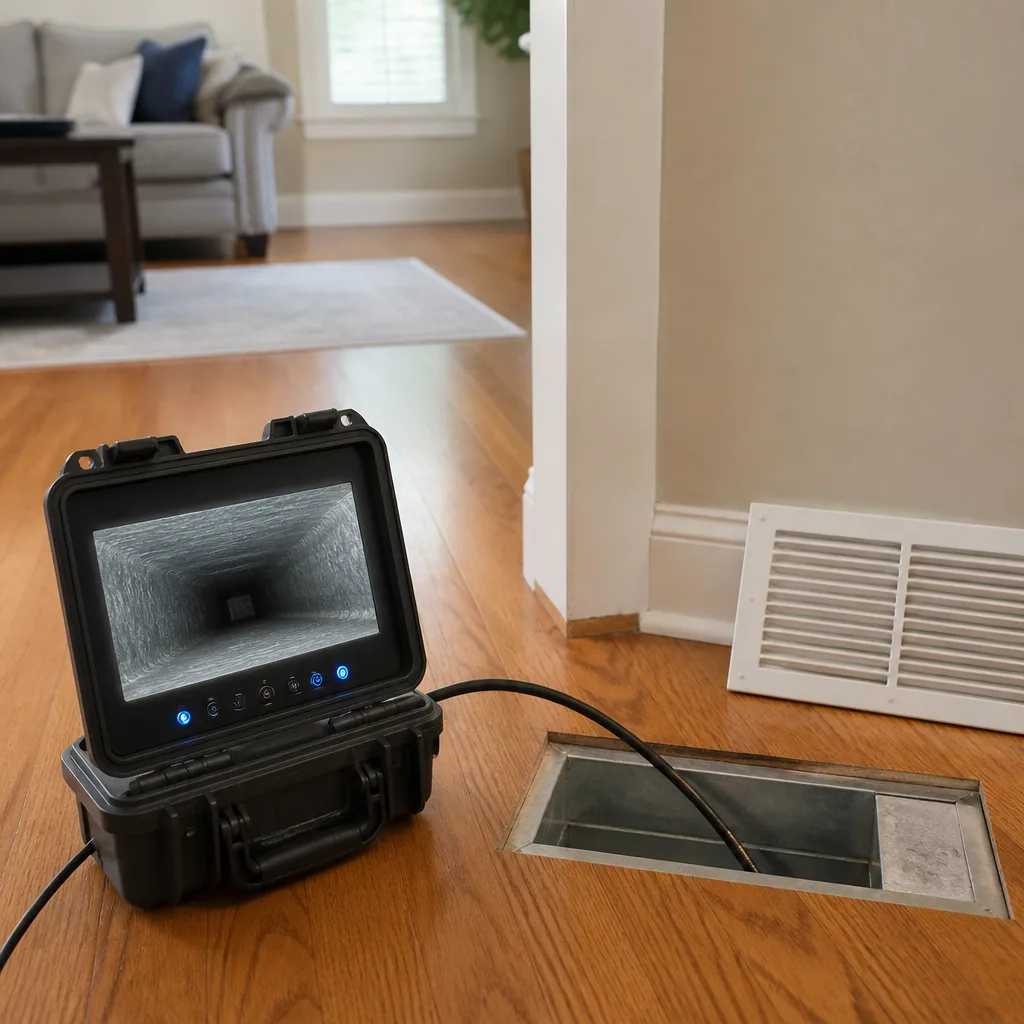 Camera inspection
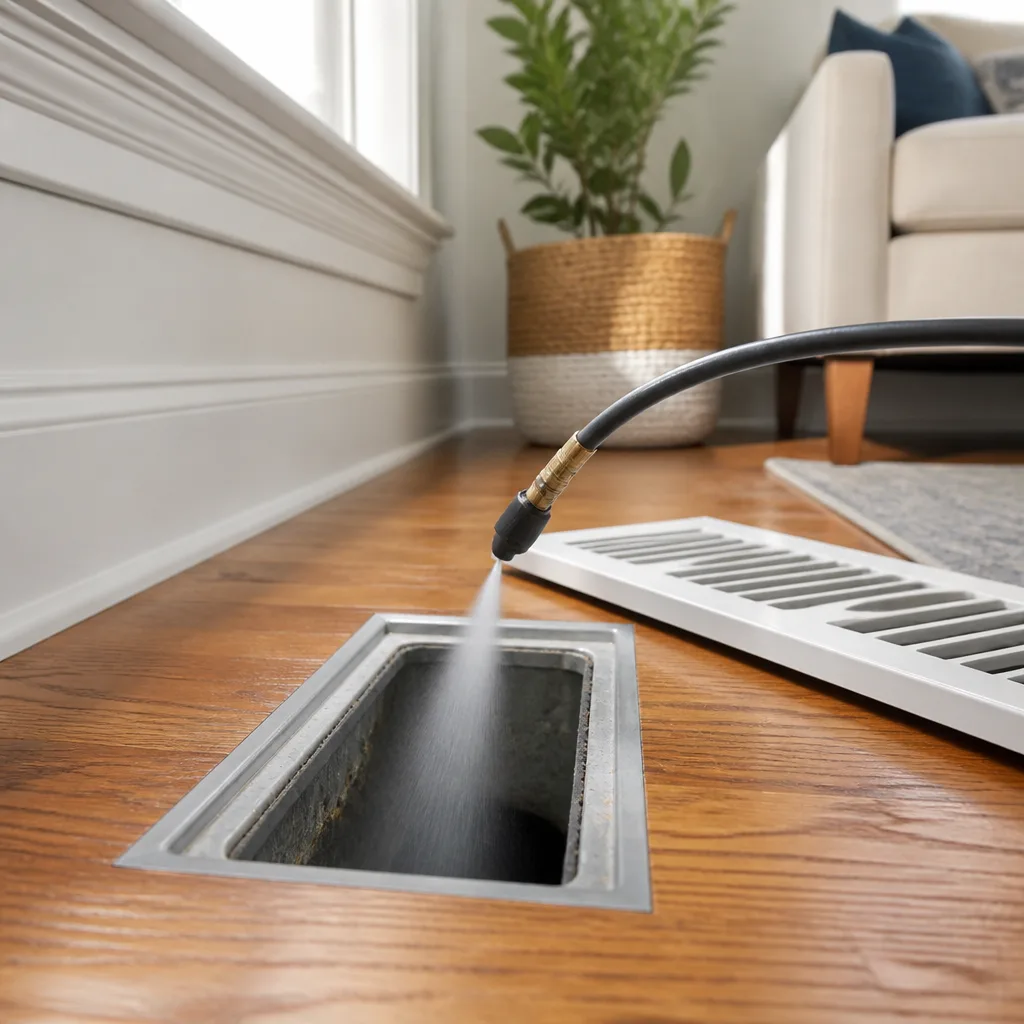 Sanitizing & deodorizing
Whole-system duct and dryer vent check with before-and-after photos - you see exactly what came out of your vents
That "$99 whole-house special" is a bait ad - the real number appears once they are in your hallway, or the "clean" is a shop-vac at the register. We photograph the inside of your ducts before and after instead.
Air Duct Cleaning Maintenance Schedule: What to Do and When
The EPA’s oft-cited 3-to-5-year cleaning interval was never meant to apply equally to a 1970s Bluffview home with two dogs and a crawl space. That number is a floor, not a plan. Homes differ in construction era, filtration quality, occupancy, and how much of the year the HVAC runs with the windows shut. In North Texas, the answer is more often “sooner than you’d think.” This guide replaces the generic timeline with a condition-based maintenance framework: how to match a cleaning schedule to your specific Bluffview house, when in the year to schedule it, and how to read the small signals your system sends long before the ducts look bad.
Quick Answer
Standard Bluffview homes typically need full air duct cleaning every 3 to 5 years. Households with pets, allergy or asthma sufferers, recent renovations, or older construction with under-insulated duct runs usually land at the 2-to-3-year mark. The most useful tool isn’t a calendar: it’s how often your filter loads up and whether dust returns within weeks of cleaning. If filters clog in under a month, your ducts are overdue regardless of what the timeline says.
Styles & brands we work with
- Whole-home duct cleaning
- Dryer vent cleaning
- Camera inspection
- Sanitizing & deodorizing
Table of Contents
- The Bluffview Tiered Cleaning Schedule: Standard, Allergy, Pet, and Post-Renovation Homes
- Why Pre-Summer Is the Most Important Cleaning Window in North Texas
- What Your Filter Change Frequency Tells You About Duct Debris
- Between-Cleaning Maintenance: What You Can Do vs. What Needs Equipment
- How to Track Indoor Air Quality Over Time to Know When Cleaning Is Overdue
- Older Bluffview Construction: Why 1970s and 1980s Homes Age Differently
- The Five-Part Indoor Air Pathway and the Cleaning Sequence That Fits It
- When to Call a Professional
The Bluffview Tiered Cleaning Schedule: Standard, Allergy, Pet, and Post-Renovation Homes
A single interval doesn’t fit every Bluffview house. The framework that holds up to real conditions splits homes into four groups, and each one has its own clock. In our experience running air duct cleaning through Bluffview homes, the group a house falls into is usually obvious within the first walkthrough: what surfaces collect, what the return grilles hold, what the air handler’s blower wheel looks like after six months.
Standard Households (No Pets, No Allergy Concerns, No Recent Renovation)
Two adults, no pets, a well-maintained filter changed on schedule, no visible dust streaks around supply registers. This is the baseline group and the 3-to-5-year interval applies. For a home on the newer side with sealed duct runs and steady filter discipline, 4 to 5 years is often realistic. Tighter construction traps debris differently than a leakier house, and a home that holds pressure well accumulates dust more slowly across the visible runs.
Allergy and Asthma Households
Clean every 2 to 3 years, sometimes every 2 years in older Bluffview homes with under-insulated attic duct runs. Allergy and asthma households are the group where “sooner” pays back fastest, because allergen load in the airstream compounds with every season of settled debris. Sanitizing after cleaning matters more in these homes too, and our Air Duct Cleaning Bluffview process treats the sanitizing step as part of the job in this group rather than an add-on.
Pet Households
Every 2 years for one or two indoor pets; every 18 months to 2 years for three or more, or for double-coated breeds kept indoors year-round. Pet dander and hair behave differently from ordinary dust: dander is fine enough to travel with airflow, and hair collects on the return side of the system where a filter doesn’t catch it. Filter load in a pet household rises faster than the homeowner expects, which makes the filter interval the most reliable early warning sign in this group.
Post-Renovation Households
Clean within 60 to 90 days after construction or a major remodel, regardless of when the ducts were last cleaned. Drywall dust is the single worst contaminant for a duct system because it’s fine, alkaline, and settles into every joint and turn. Construction in a house under renovation also changes pressure balance while walls are open, which is when debris migrates into runs that were previously clean. Schedule after the final construction clean and before the system goes back on full-time cooling in North Texas.
The Tiered Matrix at a Glance
- Standard home: every 3 to 5 years; filter changes on the manufacturer’s interval.
- Allergy or asthma household: every 2 to 3 years; add sanitizing to every cleaning.
- Pet household (one to two pets): every 2 years; watch filter load closely.
- Pet household (three or more, or heavy-shedding breeds): every 18 months to 2 years.
- Post-renovation: within 60 to 90 days of the renovation ending.
- Combined conditions (pets plus allergy, or older construction plus pets): the shortest applicable interval wins.
Why Pre-Summer Is the Most Important Cleaning Window in North Texas
In Bluffview, the right month to clean is late spring, before the air conditioning runs continuously through the North Texas summer. From roughly June through September, most homes pull their supply air through the same sealed system for months with windows shut. Every gram of debris already inside the ducts gets integrated into that airstream: across the coil, across the blower wheel, across every register a family sits near. Cleaning in April or May means the whole summer starts from a clean baseline.
Late spring cleaning also matches the HVAC maintenance rhythm. Coil cleaning and blower wheel cleaning happen most usefully before the heavy season, when the system is about to run hardest. Pair cleaning and inspection together and the sequence is logical: clear the ducts, inspect and clean the air handler components, then verify pressure and airflow.
Why Not Fall?
Fall cleaning isn’t wrong; it’s less efficient. Cleaning in October means the whole summer of accumulated debris has already moved through the system and off the registers into the living space. For a pet or allergy household, that’s the season you most want the system clean, and it’s the season a late-summer cleaning would have covered. The exception is post-renovation cleaning, which follows the construction, not the calendar.
The Seasonal Rhythm in Bluffview
- Late spring (April – May): primary cleaning window, before summer cooling demand.
- Early summer (June): verify filter replacements, check register clearances.
- Late summer (August): second filter check; note any musty smell.
- Fall (October): inspection year; use it to decide whether cleaning is due the following spring.
- Winter: lower dust season, good month for duct repair and sealing work that doesn’t require the system to be off.
Winters here are mild, which helps: the system isn’t running as hard, and repair and sealing work can happen without leaving the house without cooling or heat. That’s when we schedule HVAC cleaning and duct sealing together for the most efficient return.
What Your Filter Change Frequency Tells You About Duct Debris
Filter load is the single most useful signal a homeowner has, and it’s free. A filter is doing two jobs: catching airborne debris before it reaches the coil, and telling you how much of that debris is circulating. When the interval shortens, the ducts are telling you something. Tracking it is simple.
How to Read Filter Interval
- Filter lasts the full manufacturer interval (usually 90 days for a mid-grade pleated): ducts are behaving normally. Stick with the standard 3-to-5-year schedule.
- Filter visibly loaded at 60 days: debris load is rising. Move cleaning earlier by a year and inspect grilles for streaks.
- Filter loaded inside 30 days: the ducts are overdue. Time to clean, not just replace the filter more often.
- Filter has hair and lint in the first pleats: pet load is high; the return-side debris is worth a full inspection.
- Filter looks clean but the coil is dirty: filter bypass. Air is skipping the filter through gaps, which is a repair-and-sealing issue, not a cleaning issue.
What Filter Upgrade Actually Buys
Higher-MERV filters catch finer particles but restrict airflow. Put a MERV 13 filter in a system designed for MERV 8 and the blower has to work harder; pressure drops across the coil and the system loses efficiency. We recommend staying at the filter rating the system was designed for and cleaning the ducts on the right schedule rather than over-filtering a dirty system. Duct cleaning removes the source; the filter manages what’s left. Newer Bluffview homes with tight duct design often run well at a higher rating; older construction with under-sized returns usually doesn’t.
Between-Cleaning Maintenance: What You Can Do vs. What Needs Equipment
Between professional cleanings, some maintenance helps and some doesn’t. The distinction that matters: anything that touches the airstream is worth doing, and anything that reaches past the register face plate needs proper equipment. Consumer vacuums and shop vacs can’t develop the negative pressure needed to remove settled debris from a duct run; they can only pull at what’s near the opening.
What Homeowners Can Do
- Wipe register faces monthly. A damp cloth on every supply and return grille face removes settled debris before it re-enters the airstream. Two minutes per register.
- Vacuum return grilles with a brush attachment. The return side collects hair and lint fastest; a brush attachment works deep into the grille fins.
- Change filters on schedule and note the interval. Keep a small log on the filter housing with the date of each change.
- Keep returns unblocked. Furniture, curtains, and rugs pushed against return grilles choke airflow and force the system to pull from leaks.
- Run the fan on ‘on’ during dusty weeks. If the house feels stuffy mid-season, running the fan continuously filters the air through the system’s filter, not the ducts. Only useful with a clean filter installed.
What Requires Equipment
- Debris settled beyond the register boot (the first few feet of duct). Only negative pressure systems reach this.
- Debris adhered to duct walls, especially in older Bluffview construction where galvanized or flex duct has accumulated layered dust. Rotobrush and Nikro systems reach and agitate this; a shop vac doesn’t.
- Blower wheel and coil cleaning. The blower wheel requires disassembly and controlled brushing; the coil needs proper chemical or mechanical cleaning without damaging fins.
- Duct leaks and disconnected runs. Diagnosis and repair are a whole-system job, not a homeowner task.
- Post-renovation drywall dust. Fine dust settles everywhere and needs negative-pressure extraction and agitation across every run.
How to Track Indoor Air Quality Over Time to Know When Cleaning Is Overdue
Consumer indoor air quality monitors have gotten cheap and useful. They won’t tell you to clean your ducts, but they will show you a trend, and a trend is what you actually need. We’ve seen this tool change how homeowners decide. The monitor reads the room; the room reads the system.
The Two Metrics That Matter
- PM2.5 and PM10 (particulates). Readings measured in micrograms per cubic meter. Stable readings during normal activity with the HVAC running are the baseline; a slow rise over weeks or a persistent floor you can’t get under is the signal that the system is contributing.
- CO2 (carbon dioxide). Readings in parts per million. CO2 doesn’t come from ducts; it comes from people. The value here is that rising CO2 with windows shut tells you airflow is poor, and a low-airflow house accumulates duct debris faster and distributes it more thoroughly.
A Simple Tracking Method
- Place one monitor in the main living space, away from direct sun and doors.
- Record the baseline for two weeks with normal activity and the HVAC on its usual schedule.
- Log a reading once a week in a note on your phone; note the date and the filter age.
- Watch for two things: a slow upward trend in particulates across 3 or more weeks, and a persistent reading above your baseline even on low-dust days.
- Cross-check against the filter log. If filter intervals have shortened and particulates are trending up, the ducts are overdue.
- Re-measure after cleaning. A clean system usually shows a measurable drop within a week.
None of this replaces a professional inspection. It gives you a defensible reason to schedule one, and it lets you see whether the work actually made a difference.
Older Bluffview Construction: Why 1970s and 1980s Homes Age Differently
Duct systems built in the 1970s and 1980s were sized, sealed, and insulated to different standards than today’s. The run paths are often longer, the return-side sizing is often generous but the supply runs can be under-insulated, and the joints were sealed with mastic and tape that has had decades to fail. When the joints fail, a specific chain reaction starts: unfiltered attic air enters the return, debris accumulates faster, and the system quietly pulls conditioned air out of the house year-round.
This is the group that benefits most from pairing a cleaning with duct repair and sealing. A cleaning on a leaking system re-contaminates faster than it would otherwise; sealing the leaks first slows the whole cycle. That’s why we offer both as a package rather than a clean-and-forget: repair is the part most single-task cleaners can’t provide, and without it, the cleaning clock runs faster.
What to Check in an Older Bluffview Home
- Duct insulation condition at every visible run in the attic or crawl. Disintegrating insulation lets dust and fiberglass enter the airstream.
- Joint tape condition along supply trunk and branch takeoffs. Failed tape shows as gaps or peeling.
- Flex duct sagging between hangers. Sagging runs collect more debris and reduce airflow.
- Blower wheel condition. An older system with a heavily caked blower wheel moves a fraction of its rated air and often runs longer to compensate.
- Return plenum seams. Loose panned returns and plenum seams are the most common source of unfiltered debris entry in homes of this era.
None of this means every older Bluffview home needs major work. It means the maintenance clock starts earlier in homes of this vintage: cleaning every 2 to 3 years, and an inspection every 2 years even if cleaning isn’t scheduled yet.
The Five-Part Indoor Air Pathway and the Cleaning Sequence That Fits It
Your indoor air passes through five connected systems: the ducts that carry it, the HVAC equipment that conditions it, the dryer vent that exhausts lint, the sanitizing step that treats what’s living in the airstream, and the repair and sealing work that keeps the whole pathway tight. Cleaning one and ignoring the others gives partial results. The full sequence is what produces a clean system rather than a cleaner one.
The Sequence
- Inspect the whole pathway. Register-to-return pressure check, blower wheel and coil inspection, and sealing verification before anything is cleaned.
- Clean the HVAC components. Blower wheel and coil cleaned first so downstream dust from the cleaning doesn’t settle on them.
- Clean the ducts. Rotobrush and Nikro systems develop negative pressure through the system while agitating duct walls with brushes and air whips. Every run is verified for airflow post-cleaning and documented with before-and-after photos.
- Sanitize. Guardsman-line products applied after cleaning to treat microbial and allergen load in the airstream. The timing matters: sanitizing before cleaning treats a dirty surface; after cleaning it treats the duct wall.
- Repair and seal. Joints and takeoffs sealed after cleaning so re-contamination slows, airflow restores, and the whole system holds pressure the way it was designed to.
Where the Other Services Fit
HVAC and air quality systems work best when serviced as a whole. Familiarity with Honeywell, Aprilaire, and Abatement Technologies equipment lets us treat zones, fresh-air intakes, and media-filter housings as part of the system rather than as accessories. dryer vent cleaning belongs on a schedule too, every 1 to 2 years depending on household size and lint volume. A dryer vent is a different pathway from the HVAC, but it’s part of the indoor air picture, and a clogged vent is a fire risk. When we run through a Bluffview home, we check both.
Common Mistakes to Avoid
- Cleaning on the wrong clock. Using the EPA’s 3-to-5-year interval for a pet household in an older Bluffview home is a common timeline error. Match the schedule to conditions, not the generic standard.
- Cleaning in the wrong season. Cleaning in late fall in North Texas means the summer’s debris has already circulated through the house. Schedule pre-summer instead, so the system is clean at the front end of cooling season.
- Replacing filters more often instead of cleaning the ducts. Loading a filter more often is a symptom-management strategy. If the filter clogs in 30 days, no filter is going to fix the source.
- Over-filtering. A MERV 13 filter in a system designed for MERV 8 restricts airflow, and it doesn’t compensate for a dirty coil or leaking ductwork.
- Skipping the sealing step. Cleaning a leaking duct system means re-contamination starts the day the truck leaves. Duct repair and sealing is what makes the cleaning last.
- Trusting a coupon price that grows. Very low duct cleaning quotes are often a per-vent number that becomes a much larger invoice once access is inspected. A whole-system price agreed in writing before work begins is the honest format.
- No documentation. Not asking for before-and-after photos. A duct cleaning without documentation is a claim without evidence, and the homeowner has no way to confirm what was done.
See the difference
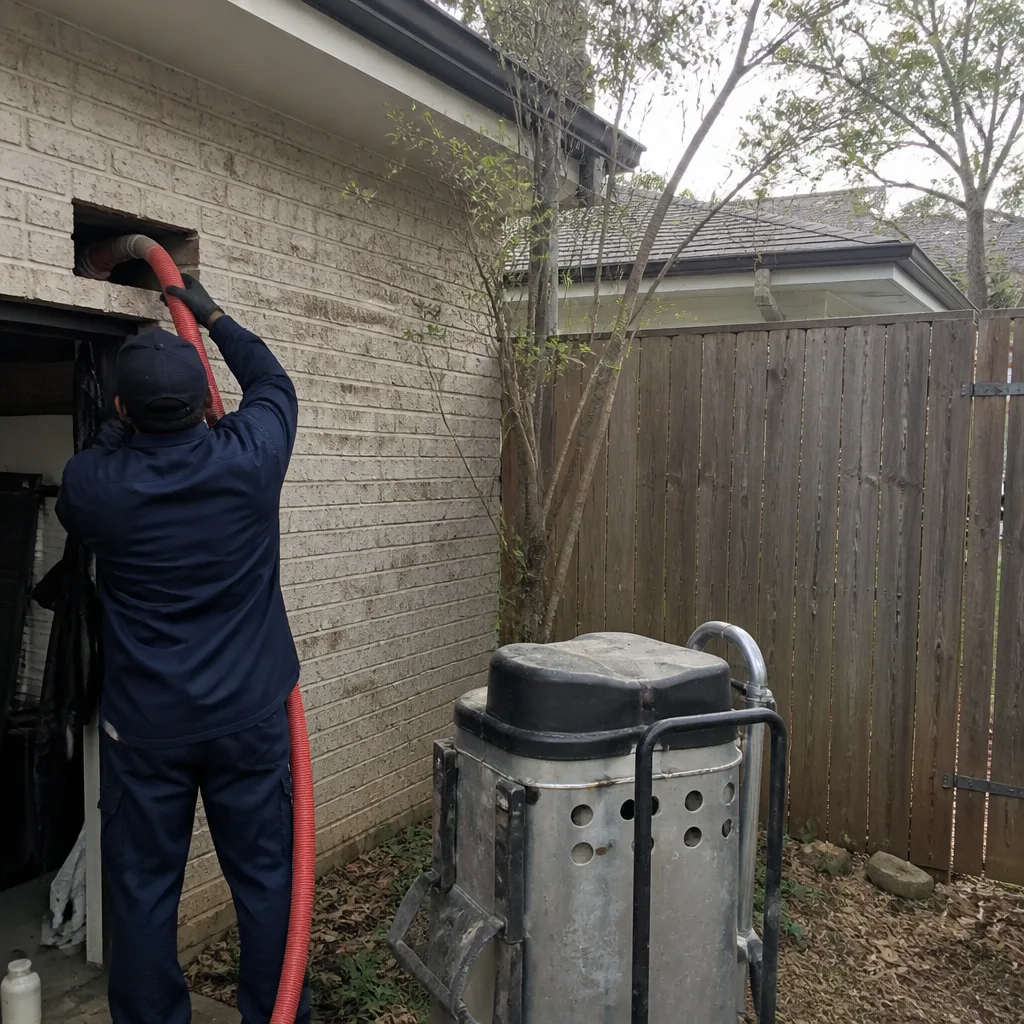 Before
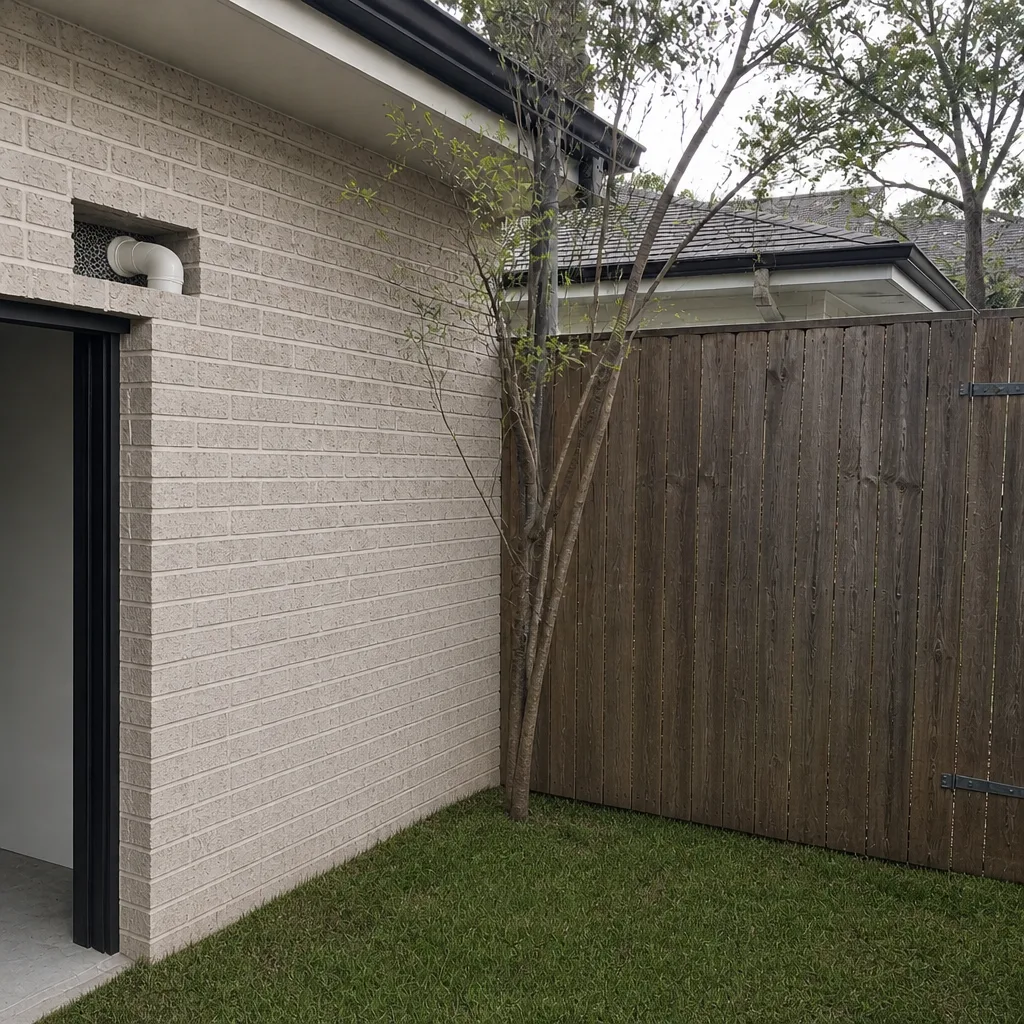 After
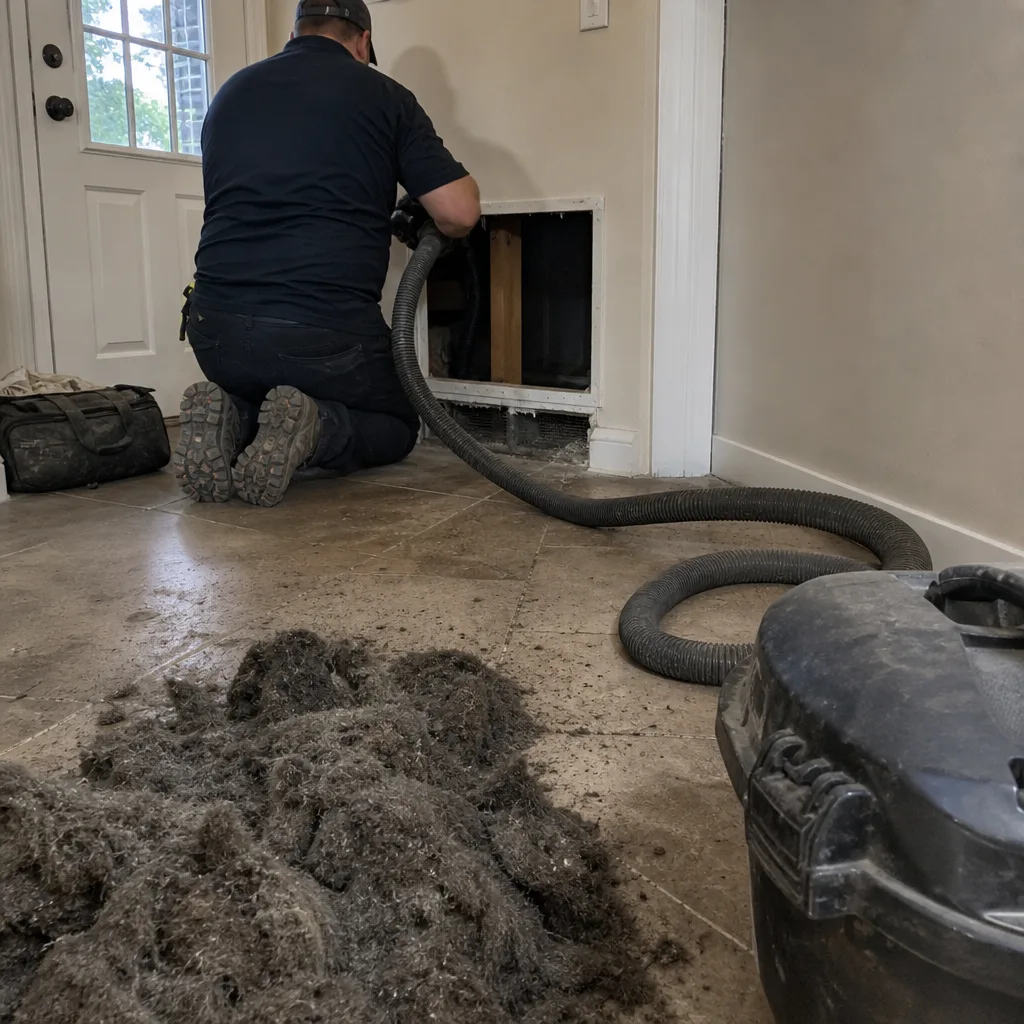 Before
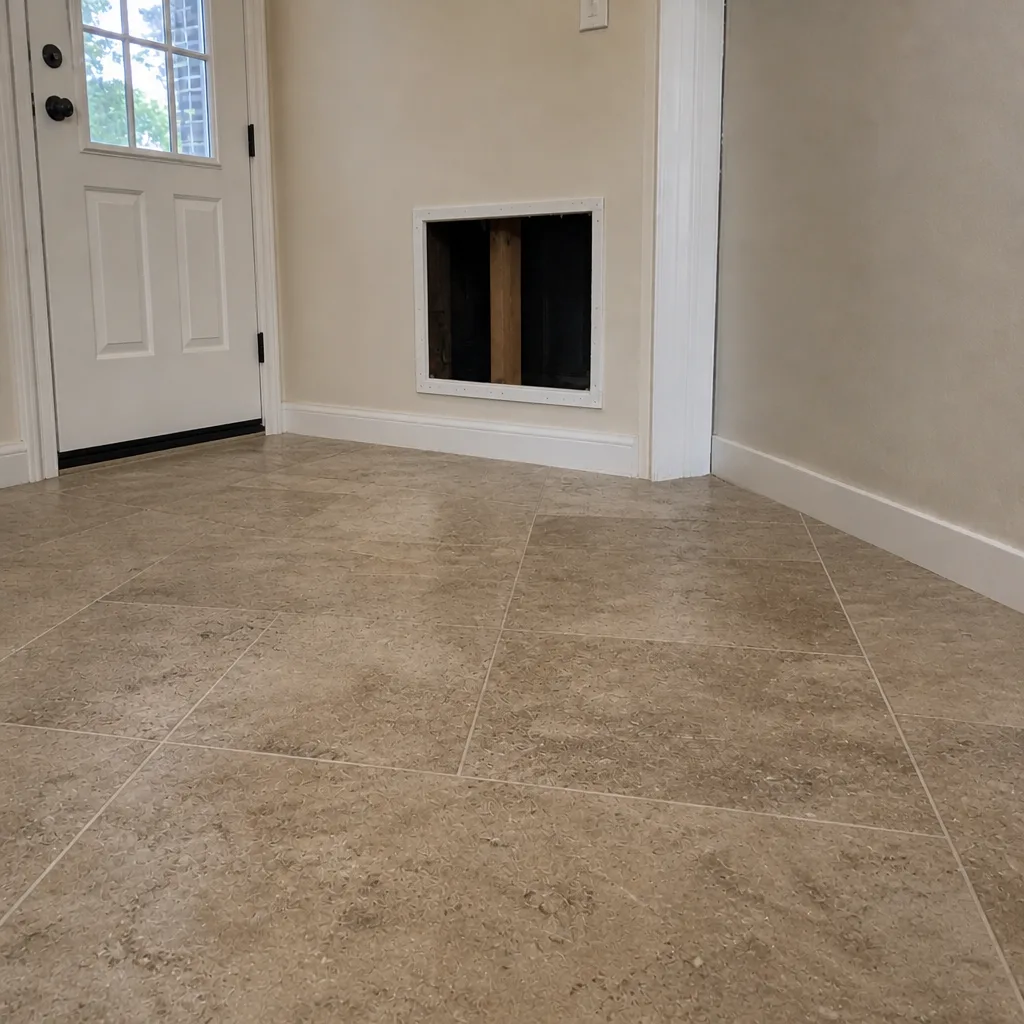 After
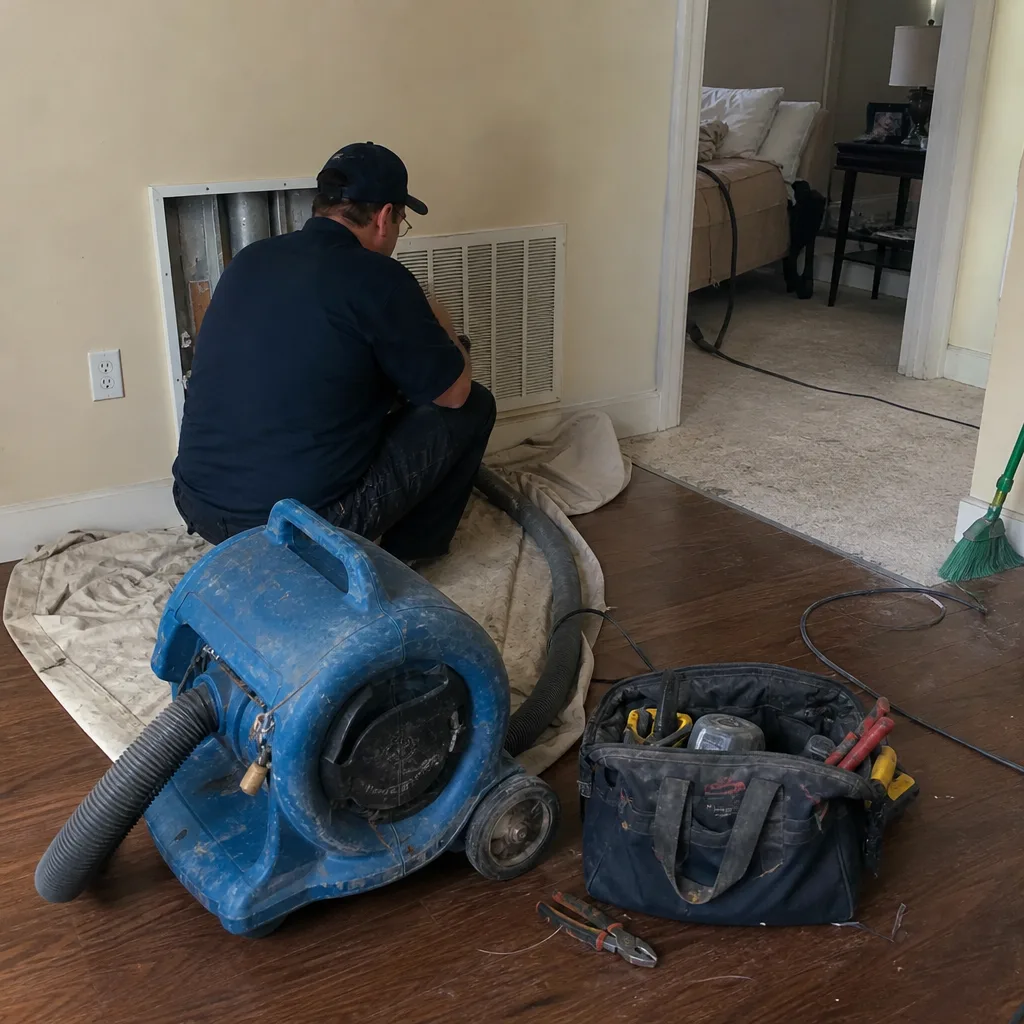 Before
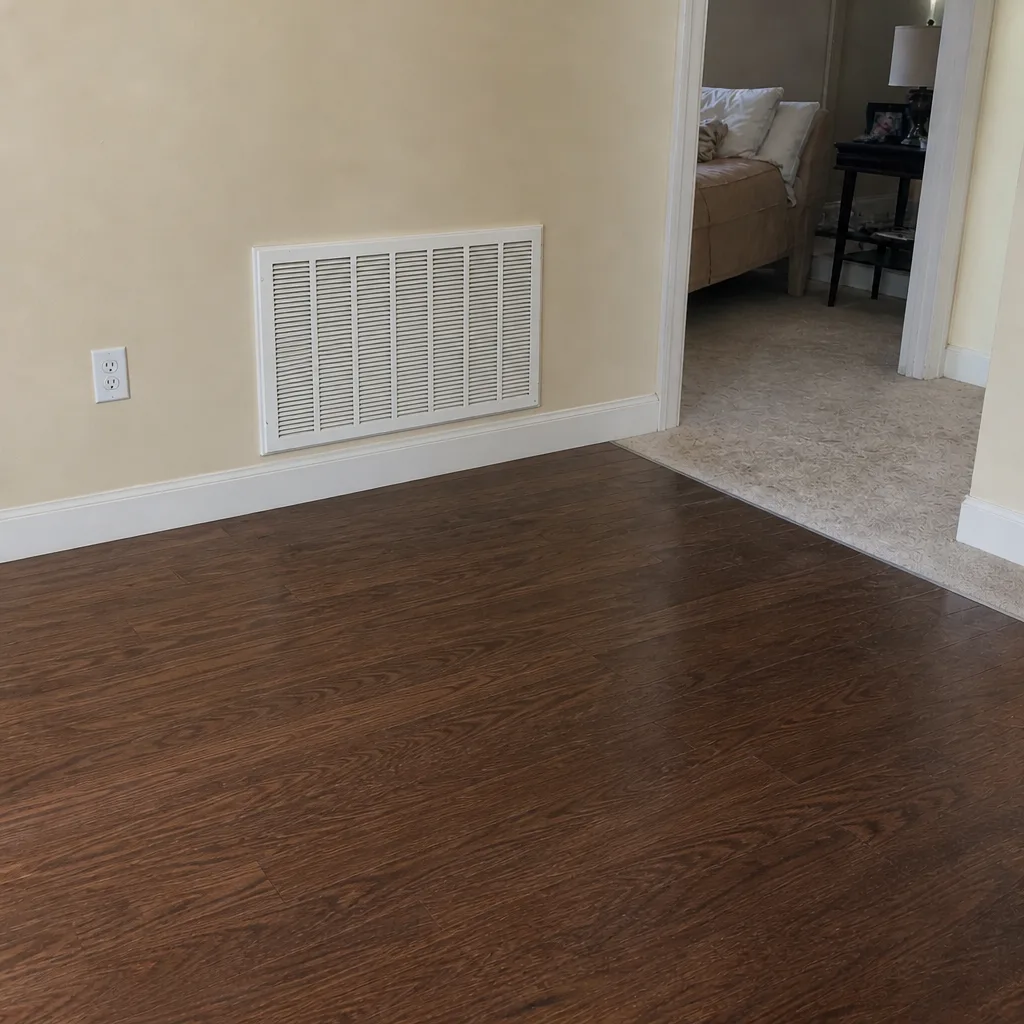 After
When to Call a Professional
Call for an inspection when any of these show up. Filters loading in 30 days. Visible dust streaks around registers. A musty smell when the AC first comes on. Rising particulates on a monitor. A recent renovation. Visible pest activity in the attic. Fallen duct insulation. Or a home inspection report flagging the HVAC system. These are signs of accumulated debris, microbial activity, or duct damage, and each one moves the cleaning clock to “due now” regardless of the last cleaning date. Duct cleaning in Bluffview runs as a scheduled job; the value is in thoroughness, not speed. Air Duct Cleaning Bluffview offers free estimates in Bluffview. Call (855) 337-1683. We answer 24/7. Fast dispatch from 7am to 7pm, Sunday through Friday. Every estimate is written, per-system, and priced before work starts, so the number on the invoice matches the number on the estimate. Our technicians have up to 12 years of experience, and every job uses professional-grade Rotobrush and Nikro equipment rather than shop-vac shortcuts.
Frequently Asked Questions
Standard Bluffview homes typically need cleaning every 3 to 5 years. Homes with pets, allergy or asthma sufferers, recent renovations, or 1970s and 1980s construction usually land at 2 to 3 years. The most reliable in-home signal is filter load: if filters clog in under 30 days, the ducts are overdue regardless of the calendar. Call (855) 337-1683 for a free estimate.
Yes, in some homes. A newer Bluffview house with sealed ductwork, disciplined filter maintenance, no pets, and no allergy concerns can comfortably run 4 to 5 years between cleanings. Cleaning sooner than needed isn’t harmful, but it doesn’t deliver much value. The filter interval makes the call: if filters last the full manufacturer interval and register faces stay clean, the system is behaving.
No, sanitizing is not needed after every cleaning. Standard households with no allergy or asthma concerns and no history of moisture issues usually don’t need it. Allergy and asthma households, homes with musty smells, and homes with past moisture events benefit. We apply Guardsman-line products after cleaning, so the treatment reaches clean duct walls rather than a dust layer.
Late spring, before the AC runs continuously through summer. April and May are the strongest months: the system starts the six-month cooling season from a clean baseline. Post-renovation cleaning is the exception and follows the construction, not the calendar.
Ask for before-and-after photos of your own ducts, per run. A professional duct cleaning uses negative-pressure extraction and mechanical agitation that visibly changes the duct surfaces; before-and-after photos document that. A whole-system price agreed in writing before work begins is the other safeguard. Call (855) 337-1683 to schedule a free estimate and ask what documentation comes with the job.
Low promo prices are often per-vent figures that grow once the technician is on site and finds extra runs, access issues, or additional services. Honest duct cleaning quotes are whole-system and priced per job. Ask for the price in writing, per system, before the work starts; that’s the number that governs the invoice. Call (855) 337-1683 for a free whole-system estimate.
The Bottom Line
A duct cleaning schedule that matches the house beats a generic interval every time. In Bluffview, the framework is: match the tier (standard, allergy, pet, post-renovation), clean pre-summer so the cooling season starts clean, watch the filter interval as the earliest warning signal, and pair cleaning with duct repair and sealing so the results hold. Track air quality with a simple monitor if it helps. Take care of the between-cleaning tasks that matter. And when the filter starts loading early or a musty smell shows up, call a professional rather than wait for the next interval. Rotobrush and Nikro equipment, Guardsman-line sanitizing, and a written per-system price are what a thorough job actually looks like.
Call (855) 337-1683 to schedule a free estimate in Bluffview. We answer 24/7. Fast dispatch from 7am to 7pm, Sunday through Friday.
Written by the team at Air Duct Cleaning Bluffview.