
Last updated November 23, 2026
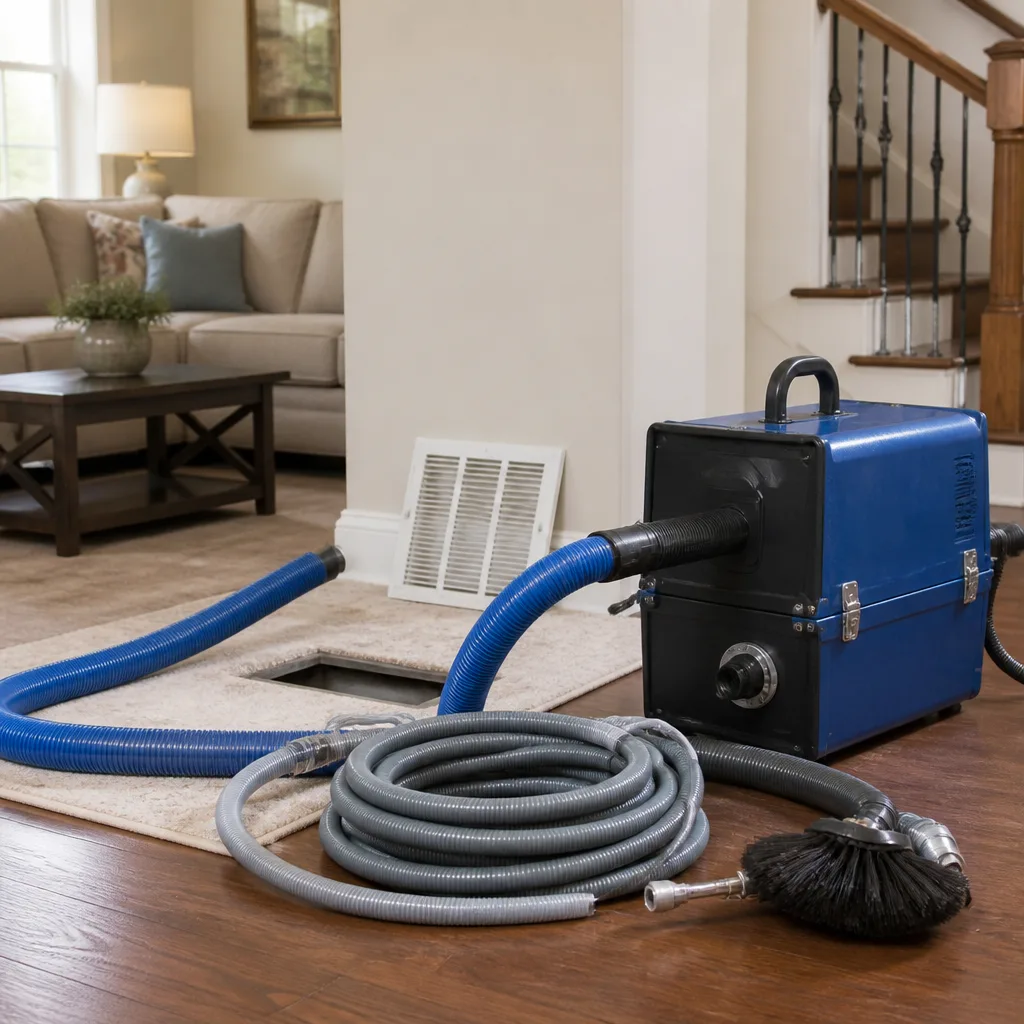 Whole-home duct cleaning
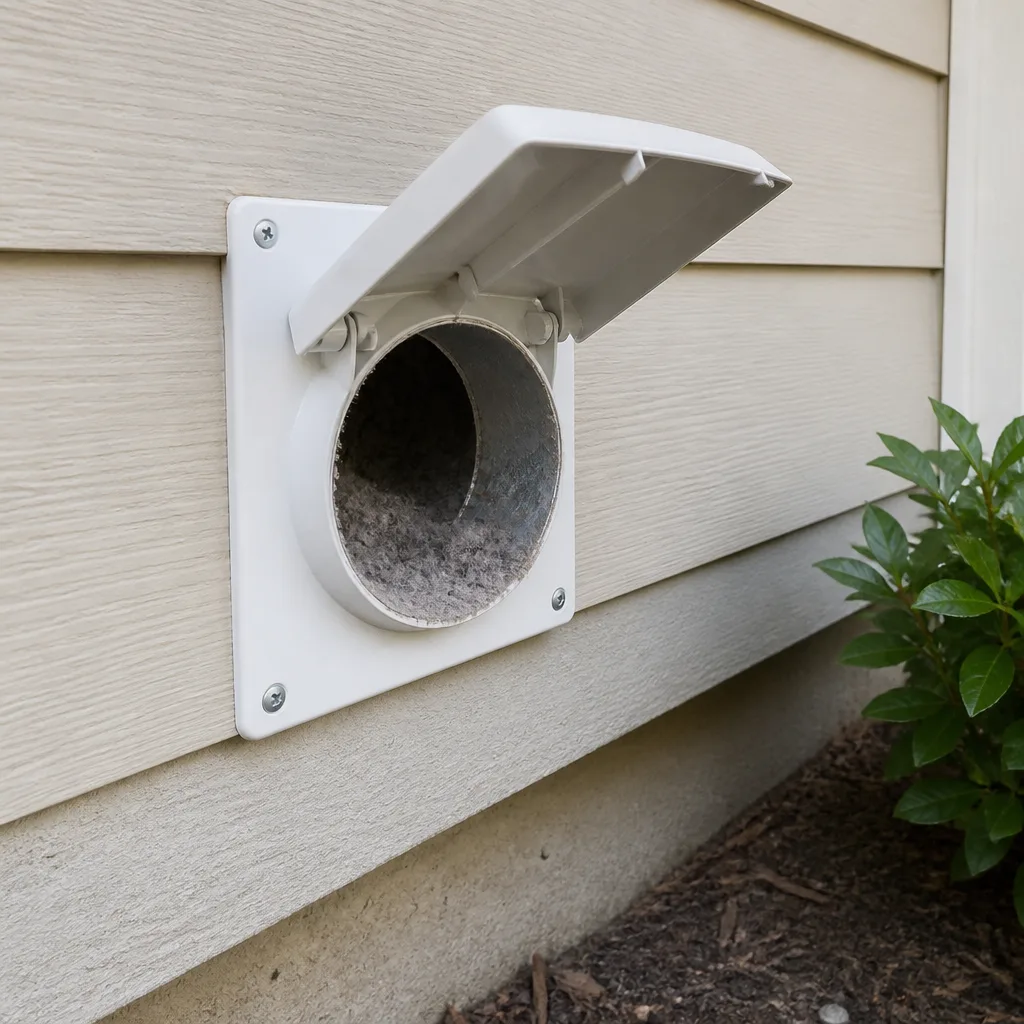 Dryer vent cleaning
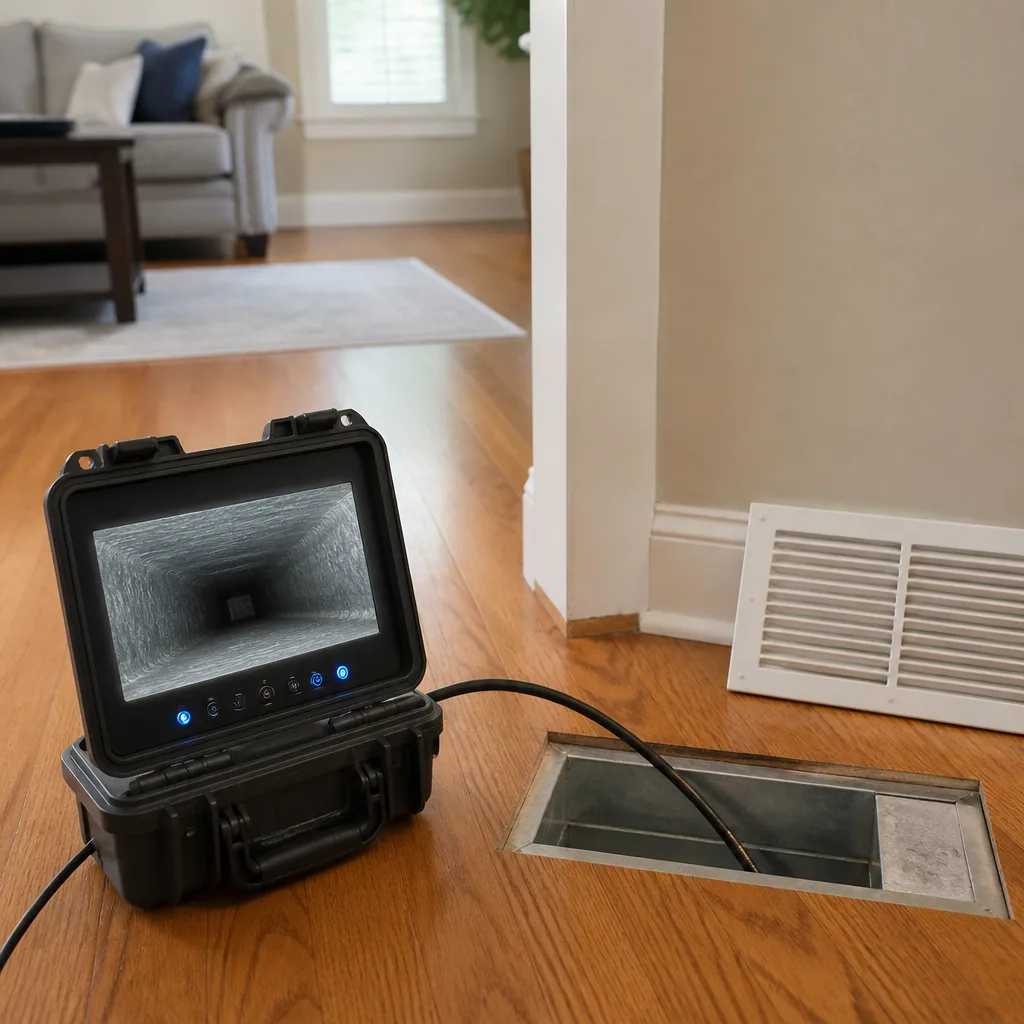 Camera inspection
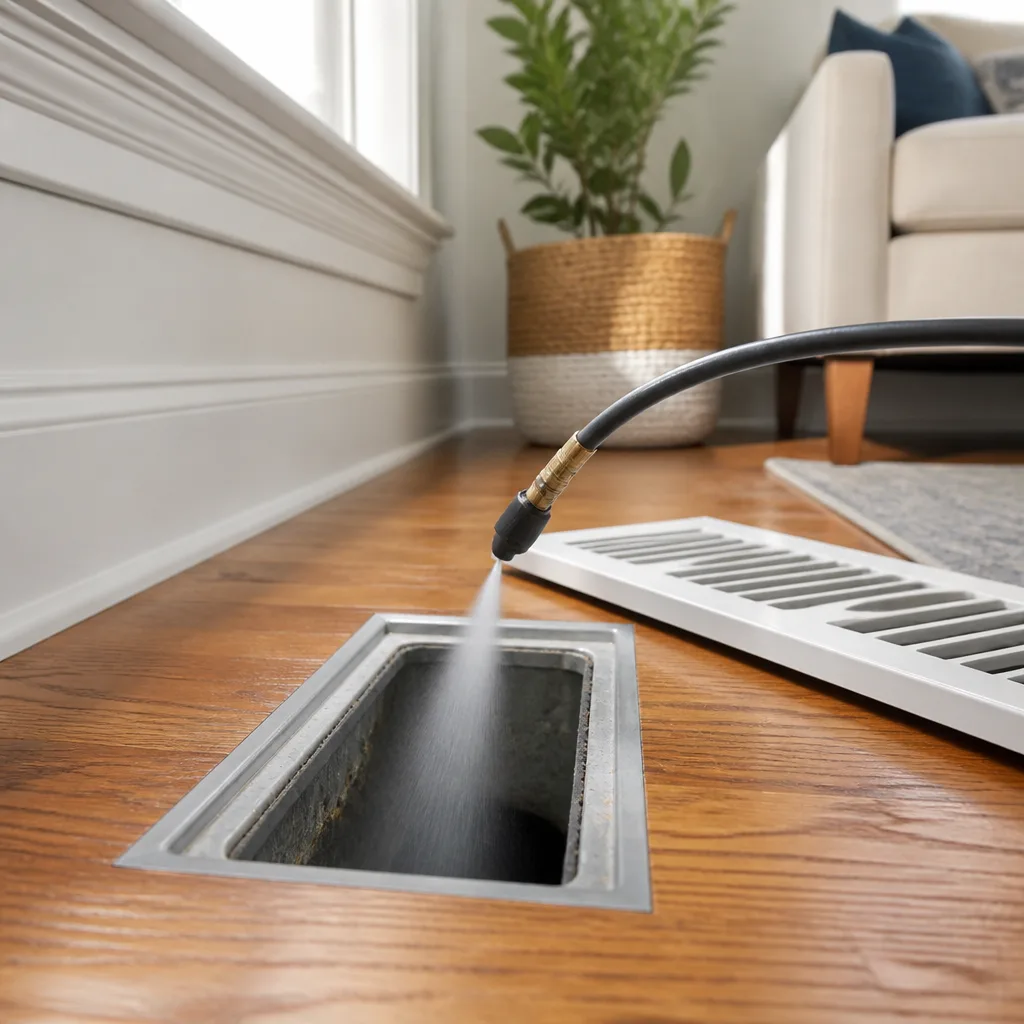 Sanitizing & deodorizing
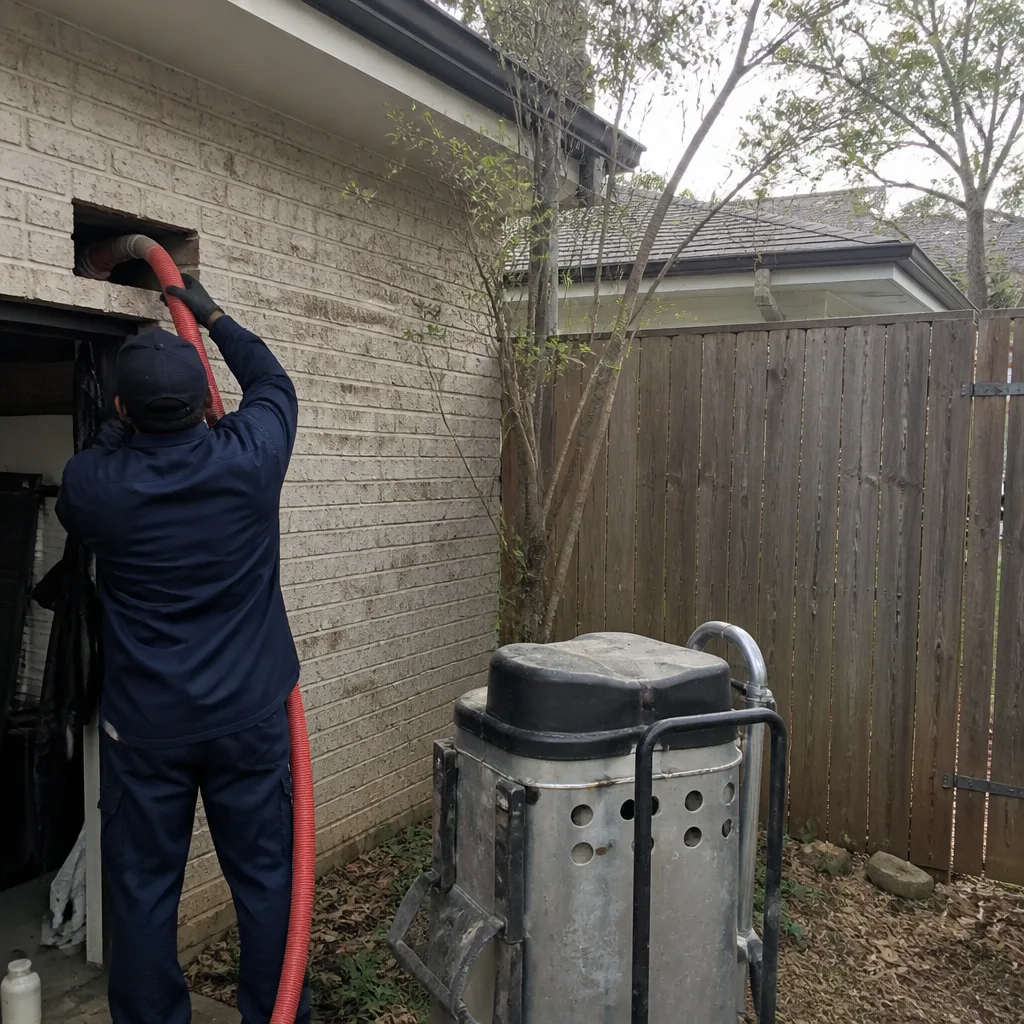
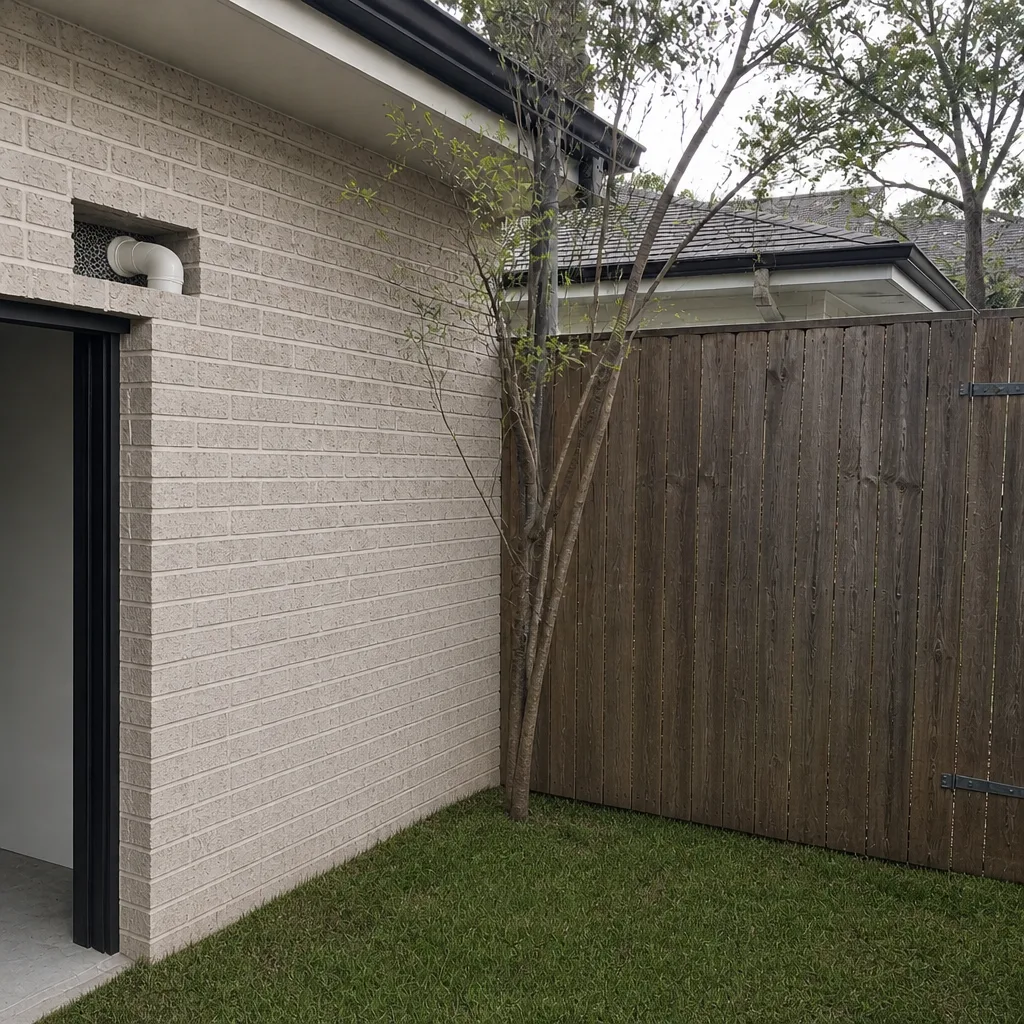
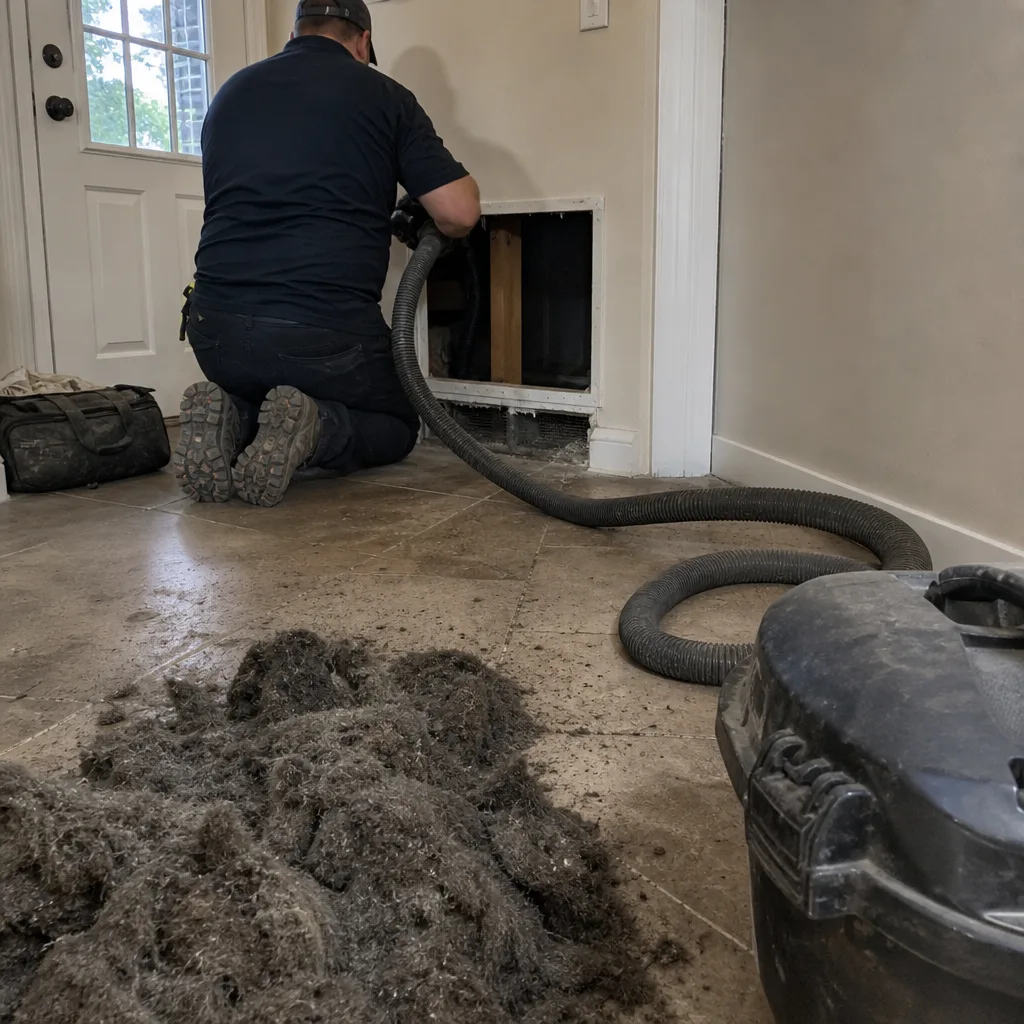
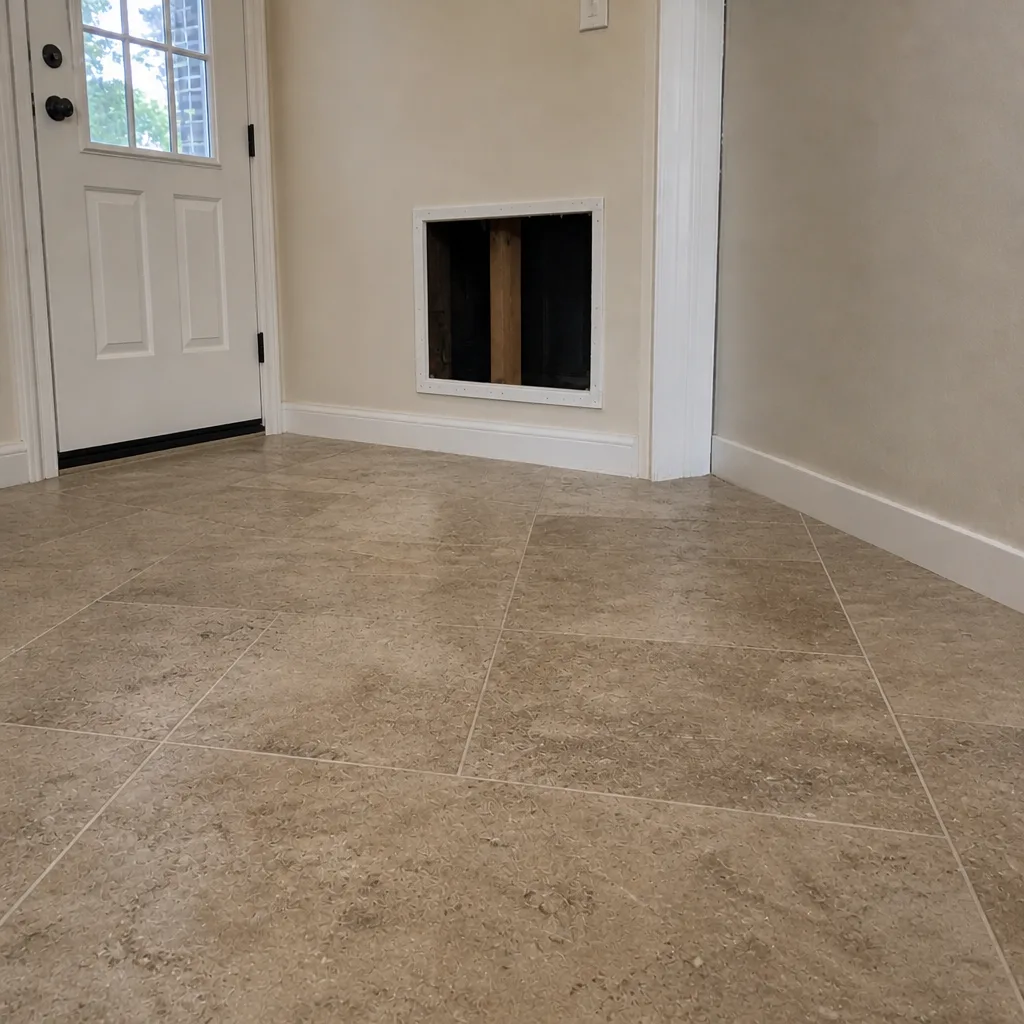
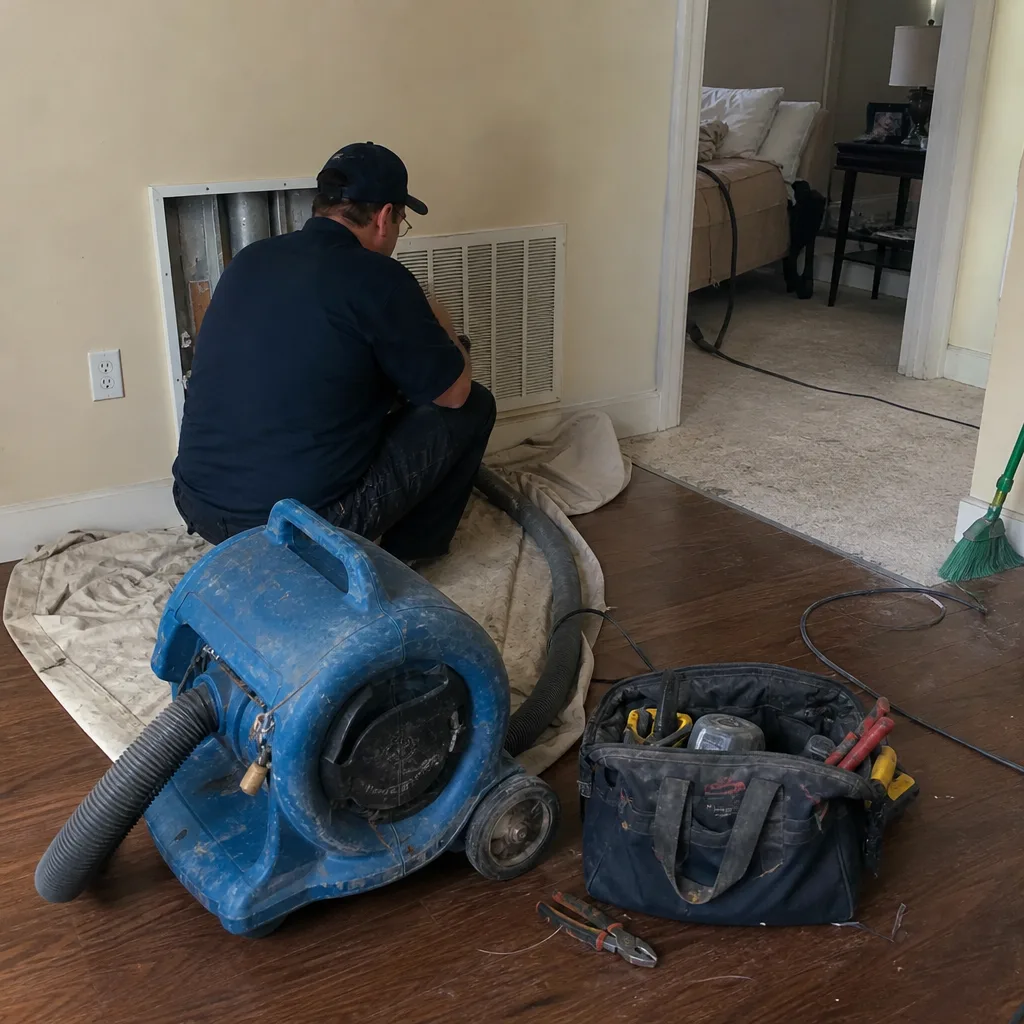
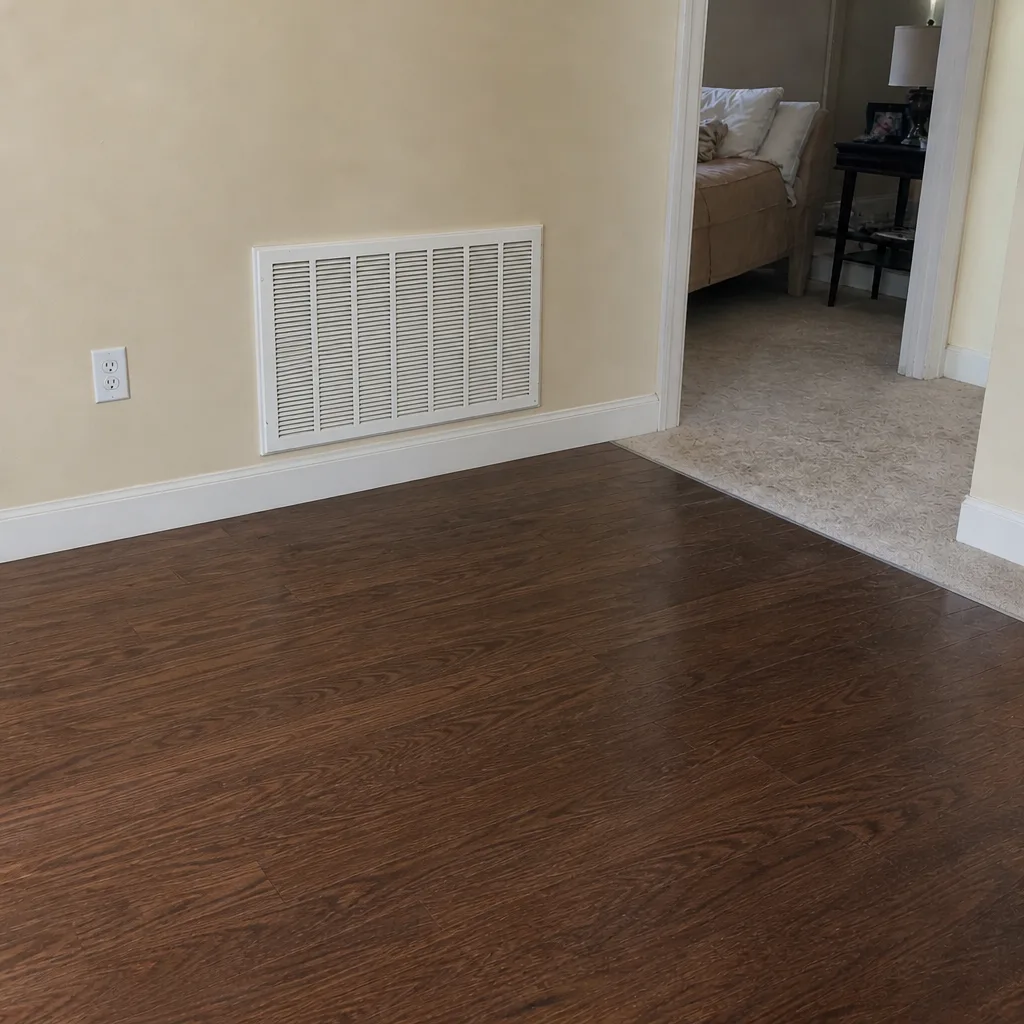
Whole-system duct and dryer vent check with before-and-after photos - you see exactly what came out of your vents
That "$99 whole-house special" is a bait ad - the real number appears once they are in your hallway, or the "clean" is a shop-vac at the register. We photograph the inside of your ducts before and after instead.
Air Duct Cleaning Warning Signs: A Bluffview Homeowner’s Reference Guide
Visible dust on a supply register isn’t a warning sign. It’s a confirmation – the problem has been running for a while. The indicators that actually matter show up weeks earlier, in airflow patterns, filter loading rates, and how long your HVAC system runs to hold a temperature. Most homeowners in Bluffview don’t notice them because they aren’t looking at the right places. This guide walks through the early signals a Bluffview homeowner can read without special tools, explains what each one points to inside the duct system, and shows you how a flashlight and a phone camera at the register level can tell you whether it’s time to call. We’ll cover filter behavior, uneven room temperatures, odor timing, and the room-specific symptom pattern that gets misread as an allergy problem.
Styles & brands we work with
- Whole-home duct cleaning
- Dryer vent cleaning
- Camera inspection
- Sanitizing & deodorizing
Quick Answer
The earliest warning signs of duct contamination in a Bluffview home are a filter that loads up faster than it used to, one or two rooms that never match the thermostat setpoint, musty or dusty odor that appears only in the first minute after the HVAC starts, and allergy symptoms that show up in a single room rather than the whole house. Visible register dust, dark streaks around grilles, and visible debris inside the boot are later-stage confirmations. If two or more early signs are present at the same time, a full-system inspection is worth scheduling.
Table of Contents
- What Are the Early Warning Signs of Dirty Air Ducts?
- Your Filter’s Loading Rate Is a Diagnostic Tool
- Uneven Room Temperatures: Duct Restriction, Not a Thermostat Problem
- Odor Timing Patterns and What They Reveal
- Room-Specific Allergy Symptoms and the Branch That Causes Them
- How to Do a Flashlight-and-Phone Inspection at the Register
- Energy Bill Drift and HVAC Runtime as a Signal
- Common Mistakes to Avoid
- When to Call a Professional
- Frequently Asked Questions
- The Bottom Line
What Are the Early Warning Signs of Dirty Air Ducts?
The early warning signs of dirty air ducts are changes in how your system behaves, not what you can see on a register. Filter loading speed, room-to-room temperature variance, odor timing at startup, and localized allergy symptoms are the four indicators that surface before visible contamination. Visible dust is late-stage; it means the accumulation has already reached the grille face.
Here is the pattern we look for, in order of how early each signal typically appears:
- Filter loading rate change. A filter that used to last three months now looks loaded in six weeks. This is the earliest reliable signal, and it points to either debris in the return path or leakage pulling unfiltered air past the filter frame.
- Temperature variance between rooms. One or two rooms run a few degrees off the rest of the house no matter how the thermostat is set. That variance usually points to restriction in a specific branch run, not the thermostat or the equipment.
- Odor at startup. A puff of musty or dusty smell in the first minute of a heating or cooling cycle, then it fades. This is a timing signature that points to a specific zone of the system.
- Single-room symptoms. Congestion, sneezing, or eye irritation that shows up mainly in one room and improves when the occupant leaves. That pattern points to the branch duct feeding that room.
- Visible debris. Dust on register fins, dark streaks at the grille edges, or debris visible inside the boot when you remove the grille. This confirms what the earlier signs suggested.
Bluffview’s mild winters mean the heating cycle gets comparatively light use, but the cooling season runs long, so the return path sees heavy, sustained airflow. That makes filter loading rate and return-side contamination the signals that tend to show up first here. The full range of what we address on a full-system visit is covered under Air Duct Cleaning Bluffview.
Your Filter’s Loading Rate Is a Diagnostic Tool
A filter that fills faster than it used to is telling you something changed upstream of the filter, or that air is bypassing the filter entirely. Both possibilities point into the duct system, and both are diagnosable before visible contamination shows up.
Think of the filter as the system’s paper trail. If you’ve lived in the same Bluffview home for a while, you know roughly how long a filter lasts before it turns grey and matted. When that interval shortens, the filter is capturing more particulate per unit of runtime. There are three things that cause it:
- Return-side debris. Dust and lint accumulate in the return plenum and return runs, and the filter catches the loosened material as airflow picks it up.
- Duct leakage. Gaps at joints, disconnected flex sections, or poorly sealed boots pull unfiltered air from unconditioned space – attic, garage, or wall cavity – and push it into the airstream past the filter. This is the one that gets misdiagnosed, because the filter looks loaded but the duct interior still looks clean on a casual glance.
- Higher runtime. A system that runs longer pulls more air through the filter, which loads it faster. That’s why filter loading should be read together with the energy and runtime signal below.
Here’s the practical test: pull the filter and hold a flashlight across the return opening while you note the date on the filter. Write the date on the next one. If the interval drops by a third or more between changes, you have a reason to look at the return path and the duct connections. That second possibility – leakage – is why we treat sealing as part of the same job rather than a separate line item; see air duct cleaning for how the cleaning and sealing work fit together.
Uneven Room Temperatures: Duct Restriction, Not a Thermostat Problem
When one or two rooms in a Bluffview home never match the thermostat setpoint, the cause is more often a duct restriction in that branch than a thermostat or equipment fault. The thermostat reads the room it’s mounted in; the restriction is in the pathway to a different room.
This is one of the most misread signals in the house. A homeowner notices the primary bedroom is always warm while the living room holds temperature, concludes the thermostat is bad, and replaces it. The new thermostat behaves exactly the same way, because the thermostat was never the problem. Airflow to that room is restricted, and the system can’t deliver enough conditioned air to overcome the load.
What a restriction looks like in practice:
- One or two rooms consistently off, the rest fine. That’s a branch-level signal. A system-wide blockage affects every room at once.
- Weak airflow at a register you can test with your hand. Hold your palm at the register face and compare to a register that works well. The difference should be obvious.
- A complaint that gets worse after a renovation. Construction dust settles into the nearest branch runs, and return-side dust from a project can end up downstream.
- A dampener left closed or half-closed. Some homes have manual dampeners at the plenum or in the branch. Check before assuming a restriction exists at all.
Bluffview’s housing stock varies from older homes with original hard ductwork to newer builds with flex runs, and the failure modes differ. Older hard duct systems tend to develop joint separation and accumulation at elbows. Flex runs can sag, kink, or pull loose at the collar. Either way, the symptom is the same on the room side: that room doesn’t get its share of air. Our technicians have up to 12 years of experience reading these patterns, and the first thing we do on a temperature-variance call is confirm the airflow at each register before assuming anything about the equipment.
Odor Timing Patterns and What They Reveal
Musty, dusty, or sour odors that appear only in the first minute of an HVAC cycle and then fade point to a specific zone of the duct system: the segment that sits under pressure at startup but is bypassed once the blower reaches steady state. Odor timing is one of the most diagnostic signals you have.
Odor that runs the entire cycle is a different problem from odor that flashes at startup. The flash pattern tells you a pocket of contaminated air sits somewhere in the distribution system, and the first surge of pressure pushes it into the rooms. After that, the airstream is drawn from the main return path and the smell thins out. In our experience, startup odors concentrate in a few places:
- The return plenum. This is the box between the return grilles and the blower, and it collects debris and moisture in older systems.
- A dead-end branch or an abandoned run. Ducts that were capped in a remodel but never cleaned hold stale air that pushes out at startup.
- The evaporator coil area. A wet coil is a favorable surface for microbial growth, and the first airstream through it picks up that odor.
- The boot behind a register in a humid room. Bathroom and laundry-area boots collect moisture and can harbor growth.
For the microbial and odor side specifically, we address the source with the air quality and sanitizing step of the job, using Guardsman-line products in the treatment phase. The odor is a symptom; the growth is the cause, and cleaning plus sanitizing targets both. If you want to understand how the treatment phase fits into a full visit, HVAC cleaning covers the coil and plenum side of the same job.
Room-Specific Allergy Symptoms and the Branch That Causes Them
Allergy or respiratory symptoms that show up mainly in one room, and improve when the occupant leaves it, usually point to the branch duct feeding that room rather than a whole-house air quality problem. That pattern is the signal; the room is the starting point for inspection.
This one is important because it gets filed under “allergies” and never gets traced back to the ductwork. In a whole-house contamination scenario, every room shows symptoms and nobody can tell the difference. In a single-room scenario, the occupant notices they’re congested in the bedroom but feel fine in the kitchen, and they assume it’s seasonal. Seasonal symptoms vary with weather. Single-room symptoms vary with time spent in that room.
Here’s how to tell the difference:
- Timing. Do symptoms track with the calendar (pollen season) or with location (the room)? If it’s location, the room’s air supply is the suspect.
- Occupant pattern. If a guest sleeping in that room wakes up congested and a guest in another room doesn’t, the branch is a strong suspect.
- Register orientation. A register pointed directly at a bed or a pillow delivers the room’s airstream straight to the sleeper. That amplifies any particulate issue in that branch.
- Room use. A room with heavy carpet, pets, or recent renovation has a higher particulate load feeding its return, and that loads the branch faster than the others.
We’re careful about health claims and we don’t diagnose medical issues. What we can say is that in our work across Bluffview, a single-room symptom pattern that lines up with a specific branch is common and traceable. When inspection confirms contamination in one run, we clean and treat that branch and check whether the return side has the same problem. If you’re at this stage, the HVAC cleaning page explains what the full-system visit covers.
How to Do a Flashlight-and-Phone Inspection at the Register
You can check a register-level view of your ducts with a flashlight and a phone camera in about two minutes per register, and the result tells you whether the next step is a call or a note to re-check in a few months. This is a look, not a cleaning: don’t reach into the duct or try to wipe the interior yourself. Loose debris downstream of a register can be pushed further in, not out.
Here’s the sequence:
- Turn the system off at the thermostat. Airflow moves dust while you’re looking, and the camera will catch motion blur.
- Remove the register grille. Most are held by two screws or a friction clip. Set the screws aside where you’ll find them – tiny screws in carpet are a real nuisance.
- Shine the flashlight up the boot. You’re looking at the inside surface of the boot, which is the box between the room and the branch duct. Clean metal or flex lining is good. A uniform light film is normal. Dark accumulation, matted material, or visible debris on the bottom of the boot is a confirmation.
- Take a phone photo with the flash on. Get the camera lens up near the boot opening, angled toward the branch. The flash fills the duct and photographs better than a flashlight through the lens. Two shots: one up the branch, one across the boot.
- Repeat at three registers. Do one register in the room with symptoms, one in a room that works well, and one return grille. The comparison is the diagnostic. If all three look the same, you likely don’t have a contamination problem at the boot level. If one is significantly darker, that branch is the one.
- Look at the register fins and the wall or ceiling around the grille. Dark streaking radiating out from the fins is often a sign of airflow carrying particulate past the grille face, not just gravity dust.
- Save the photos with the date. When you call, the photos do two things: they let the technician plan the visit, and they give you a before reference to compare against the after-clean photos on the invoice.
What you’ll usually find at the bottom of an uncleaned boot in a Bluffview home is lint compacted against the boot bottom and a thin film on the branch walls. The photo lets you see whether it’s light and uniform or dark and matted. Only the second warrants a full-system look.
Energy Bill Drift and HVAC Runtime as a Signal
Rising energy bills with no change in usage habits can be an early signal of duct restriction or leakage, because a compromised duct system makes the equipment work longer to deliver the same comfort. The signal is the runtime, not the bill: check how long the system runs to hold temperature, not just what you paid this month.
Duct restriction and duct leakage cause the energy signal through two different mechanisms, and it helps to know which applies:
- Restriction (debris in the duct, kinked or compressed flex, a partially closed dampener) reduces delivered airflow. The equipment cycles longer because it isn’t moving enough conditioned air into the rooms.
- Leakage (gaps at joints, disconnected collars, unsealed boot edges) sends conditioned air into a wall cavity, attic, or garage. You pay to condition air that never reaches a room.
Both produce a similar symptom at the bill, but they’re fixed differently. Restriction is addressed by cleaning. Leakage is addressed by sealing. That’s why our service covers both – duct repair and sealing is a distinct step in the visit, and we treat it as the root cause fix rather than an optional add-on.
A practical check: note the outside temperature and the indoor setpoint on a few days, and watch how long the system runs to hold the setpoint. If you have a smart thermostat, the runtime data is in the app. A system that used to hold setpoint and now runs noticeably longer to hold the same setpoint, in similar weather, is showing you the same signal the bill shows later. That’s the point of reading runtime: it catches the problem before the bill confirms it.
Common Mistakes to Avoid
- Assuming visible dust is the first sign. It isn’t. By the time dust is on the register face, the buildup inside the boot and branch is already there. Treat registers as confirmation, and read filter behavior and room temperatures as the earlier signals.
- Replacing a thermostat to fix one uneven room. A single room that never holds temperature is usually a branch restriction or a closed manual dampener. Replacing the thermostat costs the money and leaves the real cause in place.
- Running a shop vac on a register. A consumer vacuum can’t generate the airflow or reach the branch duct, and it can push loosened debris deeper into the system. The register boot isn’t the problem you need to solve; the branch behind it is.
- Choosing a quote based on a flyer price. A per-vent teaser price with no inspection, no before-and-after evidence, and no sealing scope is the setup for a much larger invoice. A written estimate for the whole system, agreed before work, is the standard to insist on.
- Fixing one room and ignoring the return. A single-room fix without checking the return side is incomplete. The return is the source of much of the airborne material that lands in the branch runs to begin with.
- Waiting for the heating or cooling season to start. The best time to address early signals is when the system is between heavy-use cycles, so the inspection and cleaning don’t overlap with a period of high load.
- Forgetting the dryer vent. A dryer vent that’s slowing down is a fire-safety signal, not a performance issue. If the load takes two cycles to dry, that’s a reason to inspect the vent, not to buy a new dryer. See dryer vent cleaning for what that visit involves.
When to Call a Professional
Call a professional when you can confirm two or more early signals at the same time, or any single signal that’s clearly worsening over a few weeks. The typical triggers in a Bluffview home: a filter that loads noticeably faster than it used to, one room that never matches the setpoint, an odor at HVAC startup, a branch register that comes out visibly darker in the phone photo than its neighbors, or allergy symptoms that track with time spent in one room. The dryer vent slowing down and the return-side dust from a recent renovation are also reasonable triggers. Our technicians use professional-grade Rotobrush and Nikro equipment on every job – the same standard we’d expect from anyone working inside a duct system – and our visit covers cleaning, sealing, and sanitizing in one scope, so the root cause gets addressed along with the symptom.
Air Duct Cleaning Bluffview offers free estimates in Bluffview. We give one flat price per system, agreed in writing before work starts, and we document the visit with before-and-after photos of your own ducts so you can see the difference in the work. Call (855) 337-1683. We answer 24/7. Fast dispatch from 7am to 7pm, Sunday through Friday.
Frequently Asked Questions
Air duct cleaning in Bluffview is priced per system rather than per vent, and the written estimate you receive after inspection sets the final price. A whole-system visit that includes the return and supply sides, the register boots, and the plenum costs more than a supply-only job, and a system that also needs a duct sealing step and an air quality treatment sits at the upper end of the range for a home its size. Filters, register count, number of return runs, and whether the system has hard duct or flex all move the number. We don’t quote a per-vent price and we don’t quote a figure before we’ve looked at the system. Call (855) 337-1683 for an exact quote – estimates are free.
Cheaper quotes are usually cheaper because they cover a smaller scope: supply side only, no return, no boot cleaning, no sealing step, and no photographic record. The low advertised figure is a teaser; the final invoice is where the scope that was left out gets added back. The way to tell the difference is to ask for a written scope before work begins and ask whether the return side and boots are included, and whether repair or sealing is part of the job. If a company can’t put the scope in writing, the number isn’t worth comparing. Call (855) 337-1683 and we’ll put the full-system scope in writing.
The way to know is before-and-after photos of your own ducts, taken at the same registers and the same return, compared side by side. Ask for those photos at the estimate stage so you know the standard before the work starts. We photograph the registers, the boots, and the return on every job, so the record matches the scope you agreed to. If you’ve been burned before and want a documented visit, call (855) 337-1683 and we’ll walk you through what we photograph.
Most Bluffview homes don’t need a full duct cleaning on a fixed schedule. The signals in this guide are the real trigger, and they vary home by home. Homes with pets, recent renovations, heavy return-side dust, or a family member with respiratory sensitivity tend to hit those signals sooner. Homes without those factors often go much longer between full-system visits. If your filter loading rate is normal, rooms are even, and there’s no startup odor, you’re not on a schedule that needs a next appointment. Call (855) 337-1683 and we’ll give you an honest read on whether a visit is due.
Dirty ducts can cause uneven room temperatures when the restriction is in one branch rather than across the whole system. A branch with accumulated debris delivers less conditioned air to its room than to the others, so that room lags behind the setpoint. The same symptom can come from a kinked flex run, a disconnected collar at the boot, or a manual dampener left partially closed. The register-level air volume test covers all four, and sealing addresses the connection side if that’s the cause. For an inspection across Bluffview, call (855) 337-1683.
Clean after a renovation, not before. Renovation dust settles into the nearest branch runs and the return side, so a cleaning done before the project is wasted, while a visit afterward removes the construction particulate and reseals any connections disturbed during the work. If the project involves HVAC changes, the sealing step is especially relevant. If you’ve just finished a remodel and you’re seeing the filter loading signal, that’s a reasonable point to schedule. Call (855) 337-1683 for a free estimate.
The Bottom Line
The early warning signs of dirty air ducts in a Bluffview home are behavior signals, not visual ones: a filter that loads faster than it used to, one room that never matches the setpoint, an odor that appears only at HVAC startup, and allergy symptoms that track with time spent in a single room. Visible register dust comes later, and it confirms rather than announces. Read your filter’s dates, compare airflow at each register by hand, photograph the boot behind a suspect register with a flashlight and phone, and watch how long the system runs to hold setpoint. Two or more signals together are the point to call. Cleaning and sealing address the symptom and the root cause together, and a documented visit with before-and-after photos gives you a record of the work. Air Duct Cleaning Bluffview provides free estimates in Bluffview. Call (855) 337-1683. We answer 24/7. Fast dispatch from 7am to 7pm, Sunday through Friday, closed Saturday.
Written by the team at Air Duct Cleaning Bluffview.
See the difference
 Before
 After
 Before
 After
 Before
 After