
Last updated November 23, 2026
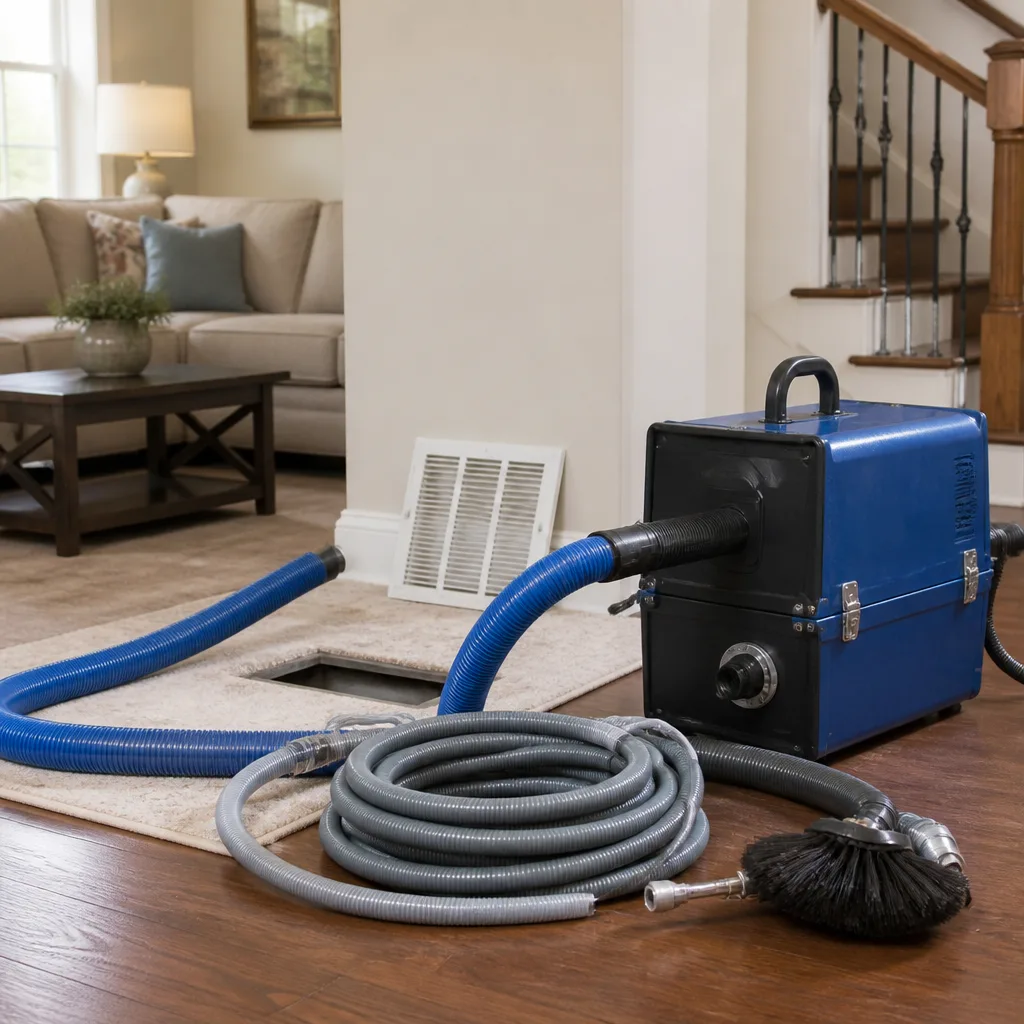 Whole-home duct cleaning
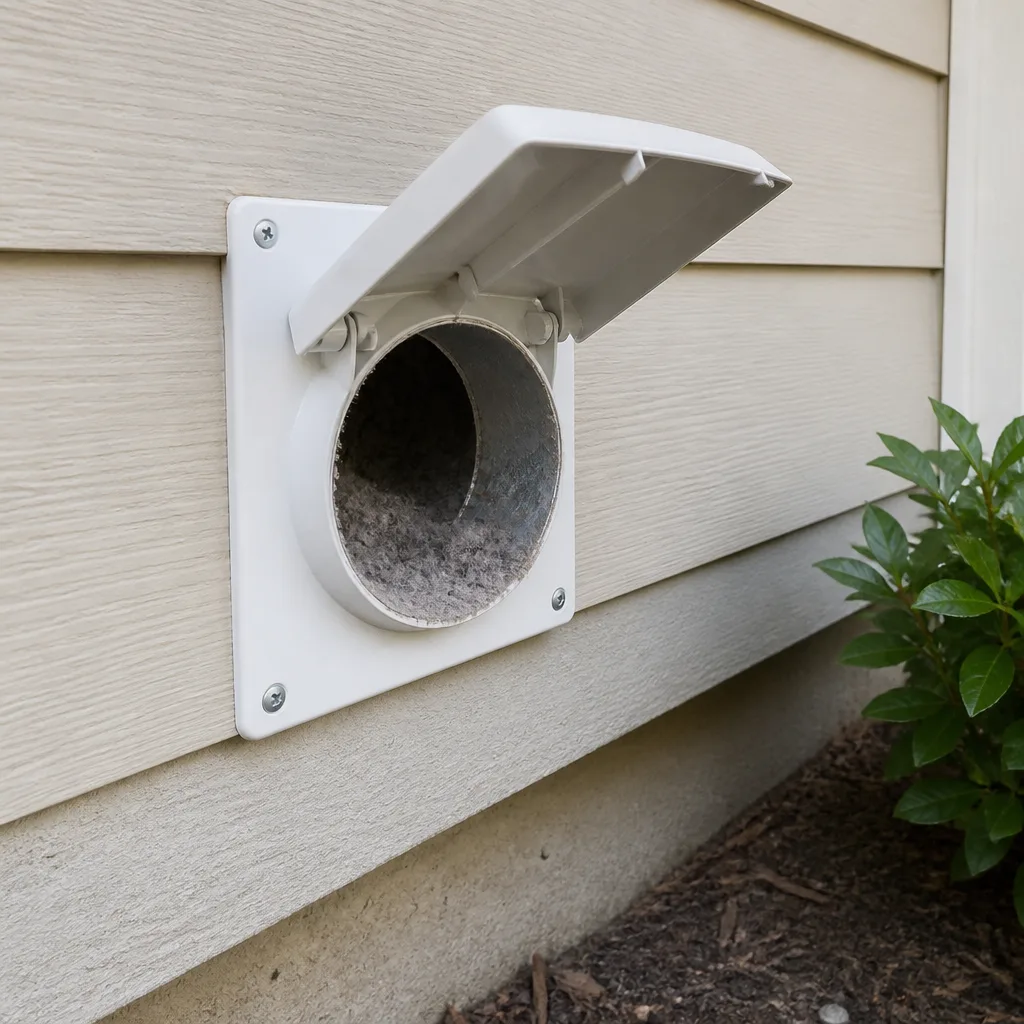 Dryer vent cleaning
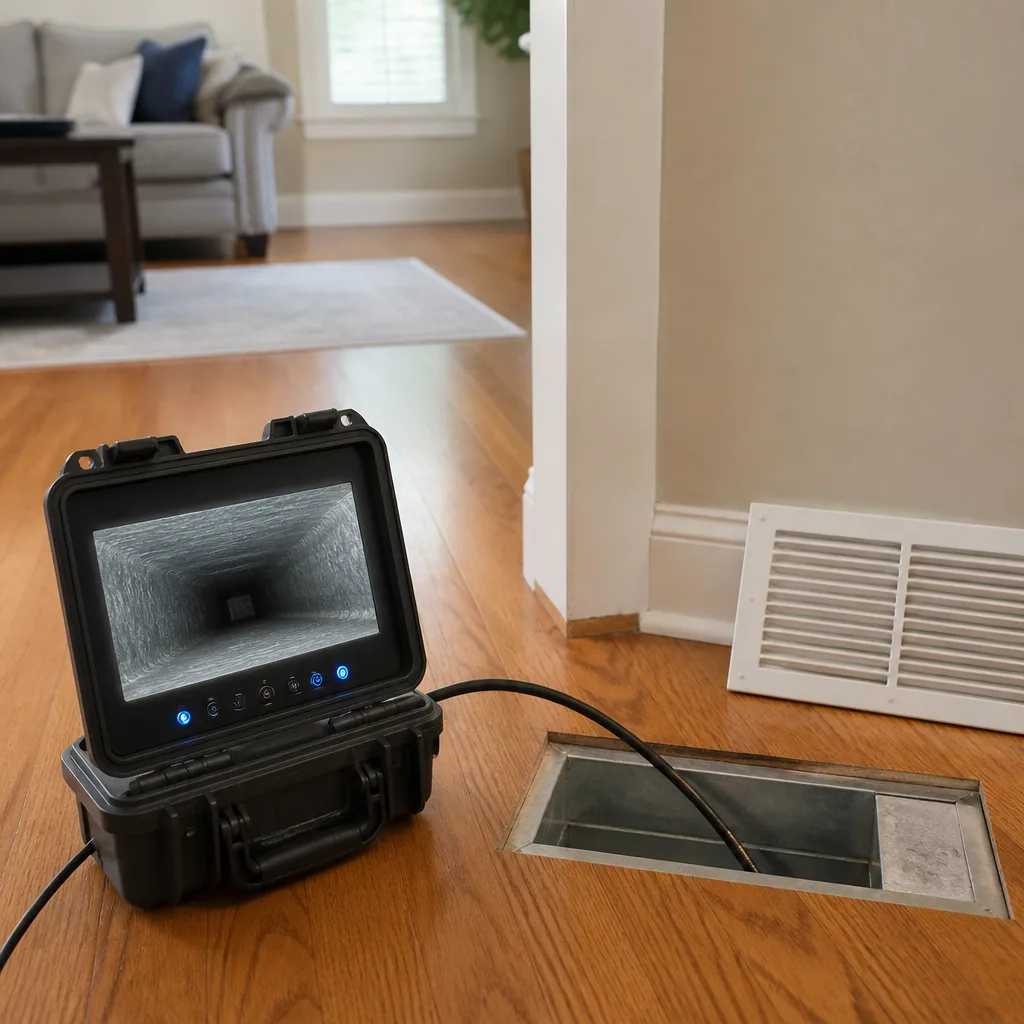 Camera inspection
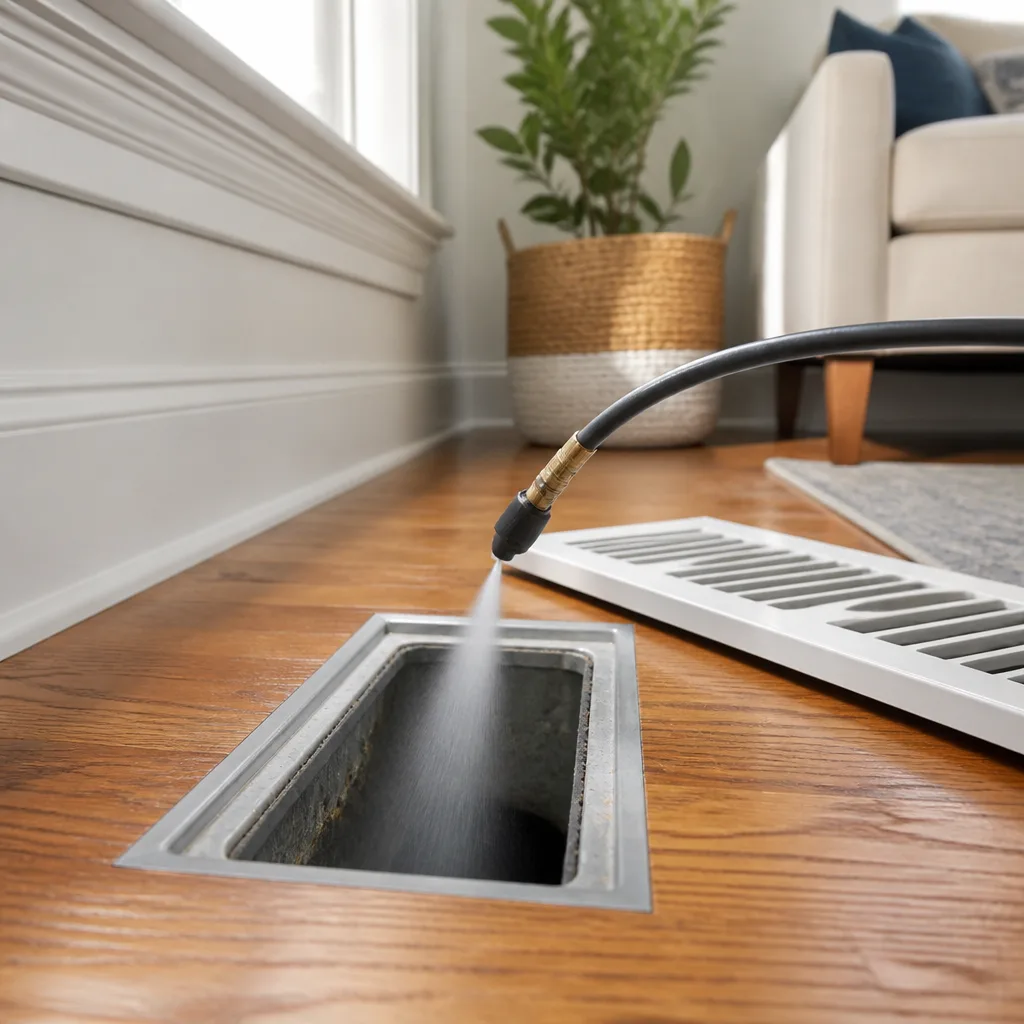 Sanitizing & deodorizing
Whole-system duct and dryer vent check with before-and-after photos - you see exactly what came out of your vents
That "$99 whole-house special" is a bait ad - the real number appears once they are in your hallway, or the "clean" is a shop-vac at the register. We photograph the inside of your ducts before and after instead.
The Complete Guide to Air Duct Cleaning in Bluffview
Most Bluffview homeowners treat duct cleaning as a one-time errand: someone shows up with a vacuum, runs it through the vents, and leaves. That framing misses the point. The ducts are a delivery network, and what travels through them comes from the whole HVAC system – the return plenum, the blower wheel, the evaporator coil, the air handler cabinet, and the registers that meter air into each room. Clean the ducts without addressing the rest and you’ve tidied one hallway in a house full of dust. This guide reframes duct cleaning in Bluffview as a system-level assessment: what a full clean actually covers, how to tell real source-removal work from a surface pass, and how to build a cleaning baseline for the specific home you live in. By the end you’ll know what to ask, what to expect, and what documentation a credible contractor should hand you.
Quick Answer
Air duct cleaning in Bluffview is a full-system process: it removes accumulated dust, debris, and microbial buildup from the supply and return ducts, registers, plenum, blower, and evaporator coil using professional-grade negative-pressure equipment, then seals leaks and treats the system where contamination warrants it. A proper clean follows source-removal practice (the NADCA standard), includes before-and-after documentation, and is priced as one flat rate per system agreed in writing before work begins. Because Bluffview’s clay-heavy soil and seasonal wind patterns push fine particulate into homes year-round, most properties benefit from an initial whole-system clean, then periodic reassessment based on what the filters and coils show.
Styles & brands we work with
- Whole-home duct cleaning
- Dryer vent cleaning
- Camera inspection
- Sanitizing & deodorizing
Table of Contents
- Why Bluffview Homes Accumulate Duct Contamination Faster
- Source-Removal Cleaning vs. Blow-and-Go Service
- The Component Map: What a Full-System Clean Actually Includes
- How to Establish a Cleaning Baseline for Your Home
- What Before-and-After Documentation Should Look Like
- Duct Repair, Sealing, and Sanitizing: Treating the Root Cause
- The Equipment Question: Rotobrush, Nikro, and Why It Matters
- How to Choose a Duct Cleaning Contractor in Bluffview
Why Bluffview Homes Accumulate Duct Contamination Faster
Bluffview sits on soil with a heavy clay fraction, and that single fact changes how much particulate ends up inside your ductwork. Clay soil drains poorly and holds its shape, so when the ground dries between rains it releases fine dust readily. Add the seasonal wind patterns this part of Texas runs through, and the outdoor air carries a steady load of silt-size particles that find every gap in a building envelope. Your HVAC system pulls that air in – through returns, through the air handler, through leaky duct joints in unconditioned spaces – and deposits a fraction of it along the interior walls of the ductwork every time the blower runs.
Compare that to a home in a wetter climate with heavier ground cover. The airborne load is different. Here in Bluffview, the combination of fine mineral dust and a mild winter means the system runs more of the year than it would up north, so the accumulation cycles are more frequent. Mild winters also mean less of a hard seasonal reset: the system doesn’t sit idle for months the way it would in a colder climate, so the coil stays in service and stays a condensate-rich surface where dust sticks and biological growth can establish.
What compounds this is construction activity. Bluffview and the surrounding areas have seen steady building and renovation, and drywall dust, sawdust, and insulation fibers are among the most aggressive contaminants a duct system sees. Gypsum dust is fine enough to pass through a standard filter and settle deep in the return plenum; it also sticks to a damp evaporator coil and clogs the fins over time.
- Clay-soil particulate: fine mineral dust that stays airborne and infiltrates every return-side gap.
- Seasonal wind: driven outdoor dust load that peaks when the ground is dry.
- Year-round runtime: mild winters keep the blower cycling and contaminant deposition continuous.
- Renovation dust: gypsum, sawdust, and fiber that bypasses standard filtration.
- Aging ductwork: older flexible and rigid duct in Bluffview homes often has leaks that pull attic or crawlspace air into the supply side.
In our experience, the homes that accumulate the fastest are the ones with return ducts routed through attic space and a system that runs continuously through the shoulder seasons. That combination pushes more Bluffview outdoor dust through more ductwork than a sealed, interior-routed system would ever see.
Source-Removal Cleaning vs. Blow-and-Go Service
The single most useful distinction to understand before you hire anyone in Bluffview is the difference between source-removal cleaning and blow-and-go service. Source-removal cleaning, which is what the NADCA (National Air Duct Cleaners Association) standard describes, means removing the contamination from where it lives – the duct surfaces, plenum, coil, and blower – and putting it into a sealed containment system, not into your living space. Blow-and-go service uses agitation without adequate negative pressure: a rotary brush or air whip is run inside the duct while a shop-vac-class machine tries to keep up, and a large share of the loosened debris ends up airborne in your home or pushed into unfiltered branches of the system.
The trouble is that both services look similar from the driveway. A truck pulls up, guys walk in with hoses, and an hour later they leave. So the question becomes how to tell which one you were sold.
- Ask about negative pressure first. A source-removal job establishes the whole duct system under continuous negative pressure before any agitation begins. If the technician can’t explain where the vacuum connects and why it goes there, the containment probably isn’t there.
- Look for source-removal equipment support. Commercial-grade machines with HEPA filtration and enough CFM to hold the system under vacuum are the baseline. A consumer shop vac is not.
- Watch for full-system access. Source-removal means opening the plenum, the air handler, and the coil, not just the floor registers. If the technician never opens the air handler, the coil isn’t getting cleaned.
- Insist on before-and-after photos. Interior ductwork images captured before and after, from the same camera position, are the practical proof. Blow-and-go operators rarely offer them because the difference is unflattering.
- Ask what remains unaddressed. A truthful contractor will tell you which parts of the system weren’t reached and why. A vague “we got it all” is the tell.
We’ve seen enough systems in Bluffview that we can usually tell within a few minutes of looking at the plenum whether a prior “cleaning” was real. Loose dust blown into the corner of the return plenum, a blower wheel still caked, a coil with packed fins – those are the fingerprints of a surface pass.
If you want to look at the parent service on its own, this air duct cleaning page covers the process, but the standard is the same: source removal, documented, done under negative pressure.
The Component Map: What a Full-System Clean Actually Includes
“Air duct cleaning” is a shorthand most of us use, but the actual scope of a full-system clean is broader than the ducts themselves. Before you hire anyone in Bluffview, you should be able to point to every component and ask whether it’s included. Here’s the component map we work from, and the order a complete job usually follows.
The supply side
- Main trunk lines: the large rectangular or round ducts that run from the air handler to the branches.
- Branch runs: the smaller ducts that feed individual registers. In older Bluffview homes these are often flexible, with internal supports that trap dust at the collars.
- Registers and grilles: the visible diffusers and return grilles. These come off, get washed, and go back on.
The return side
- Return plenum: the box that collects return air before the blower. This is where renovation dust and filter-bypass debris accumulate most heavily, and where blow-and-go jobs leave the evidence.
- Return ducts: often shorter and wider than the supply side. In many Bluffview homes, returns run through attic space and pull in unfiltered attic air at every joint.
The heart of the system
- Evaporator coil: a damp, cold, finned surface that acts as a particulate filter for everything the return didn’t catch. Fins pack with dust and biological growth; a dirty coil is one of the biggest drivers of both poor airflow and rising energy use.
- Blower wheel: the squirrel-cage fan that actually moves air. Blades load up with a sticky layer of dust and biological material, and once that happens no amount of register cleaning fixes airflow.
- Air handler cabinet and plenum transition: the box housing the coil and blower, plus the transition duct that connects it to the main trunk. This is the highest-value section in the system to clean and the one most often skipped.
- Drain pan: the pan under the coil that collects condensate. A pan that never gets cleaned is a moisture reservoir where biological growth thrives.
A complete clean addresses every one of those. Our HVAC cleaning service covers the mechanical side – coil, blower, cabinet, plenum – and the duct team handles the distribution network. Done together, the whole system is back to clean at the same moment, which is the only time it matters.
How to Establish a Cleaning Baseline for Your Home
There’s no universal schedule for duct cleaning in Bluffview, and any contractor who quotes one without looking at your specific home is guessing. What makes sense instead is a cleaning baseline: an honest starting point you can measure future cleaning decisions against. Two homes of the same square footage on the same street can have very different cleaning needs depending on duct material, age of the system, filtration, and how much renovation the home has seen. Building a baseline means capturing several data points.
- Duct material and routing. Rigid metal duct holds less than flexible duct with internal supports, but rust and joint separation are the risks. Flexible duct in attic routing pulls in unfiltered air and traps debris at the sag. Knowing which you have tells you where the contamination sits.
- System age and service history. A ten-year-old system with original ductwork has a different baseline than one that was replaced recently. Ask whether the coil has ever been pulled and cleaned – many homeowners can’t answer that, which is itself information.
- Filtration in place. A high-MERV filter at the return grille catches more than a fiberglass throwaway, but only if the filter slot is actually sealed. In Bluffview, filter-bypass at the return is a common cause of return-plenum dust.
- Recent renovations. Any home that has seen drywall, flooring, or insulation work in the last two years should be assumed to have construction dust deep in the return plenum. That dust needs to come out, not just get re-filtered.
- Observed symptoms. Musty odor when the system starts, visible dust at registers within days of cleaning, uneven airflow between rooms, and allergies that flare in the house are all symptomatic flags worth noting.
- Baseline photos and notes. Whatever the starting point, capture interior duct and air handler photos, note the existing filter efficiency, and keep the record. Future decisions get easier when you have something to compare to.
Property managers we work with in Bluffview use this approach for multi-unit decisions: clean once, baseline properly, and then let the coil and filter evidence drive the re-cleaning schedule instead of a calendar. It saves money and it catches problems earlier. Homeowners can use the same method on a single system.
What Before-and-After Documentation Should Look Like
Documentation is the part of duct cleaning most homeowners don’t ask about until they’re already unsatisfied, and by then it’s too late. The purpose of documentation is simple: to prove that the work you paid for was done, and to give you a record of your system’s condition for future decisions. A credible contractor should hand you documentation before they ask for payment, not after you ask for it.
Here’s what solid documentation includes.
- Interior duct photos before cleaning. Captured from a camera run inside the main trunk and a representative branch on each side, showing actual sediment depth. Blurry exteriors of the register don’t count; this is the interior.
- Matching before-and-after shots. Same camera position, same angle, same lighting. If the “after” photo is a different room, a different branch, or never shown, that’s a red flag.
- Coil, blower, and plenum photographs. The air handler is where the contamination that matters most to airflow and air quality actually lives. If the documentation skips the air handler entirely, ask why.
- A written scope statement. Which components were cleaned, which were inspected and left alone, and why. This is the record you’ll use to compare against the next service in three or five years.
- Filter condition notes. What filter was in place, what efficiency it was, and what the return slot looked like on removal. If the slot was bypassing, that belongs in the report.
- Any findings that need follow-up. A leaky joint, a rusted branch, a coil starting to fail, a disconnected flex run – these should be flagged in writing. Honest documentation includes the bad news.
We hand our customers their own system’s before-and-after photos as a standard part of the job, because the work should never be a black box. If a contractor won’t show you the inside of your own ducts after cleaning in Bluffview, ask what they’d rather you not see.
Duct Repair, Sealing, and Sanitizing: Treating the Root Cause
Cleaning is the foundation, but cleaning alone is a temporary state. Duct leaks pull the same Bluffview particulate back in within a season, and a damp coil that stays dirty re-establishes growth within a few months. That’s why a full-system approach to air quality includes duct repair and sealing plus, where contamination indicates it, sanitizing and treatment. Both are services many single-task duct cleaners can’t provide, and both are the difference between a clean system and a system that stays clean.
Duct repair and sealing
Every leak in a supply duct is a place where conditioned air escapes and unfiltered air can enter. In homes with ductwork routed through the attic, that leak often pulls in attic air carrying insulation fibers and clay-soil dust – exactly the load that turned into the contamination you just cleaned out. Sealing the joints and repairing disconnected or collapsed runs closes the loop. It’s also an energy question: an estimated significant share of conditioned air can be lost at leaky duct joints, so the system runs longer to compensate. Sealing reduces both the contaminant load and the runtime.
We inspect the duct routing during cleaning, note the leaks, and address them as a separate scope. Sealing requires proper mastic or code-approved tape – not duct tape in the colloquial sense, which fails within a season – so the work has to be done with the right material to hold up in Bluffview’s attic conditions.
Air quality, sanitizing, and treatment
When the system shows biological growth – odor, visible accumulation at the coil or drain pan, or an occupant with active sensitivity – cleaning alone isn’t the whole answer. Sanitizing and treatment target the surfaces where microbial growth lives, applied after cleaning so the clean surface stays clean longer. We use Guardsman-line products in the treatment and protection phase, which are designed for HVAC surfaces and applied under a documented process. If there’s an existing Honeywell or Aprilaire air treatment component in the system, we work with it rather than around it.
The point of both services isn’t to sell you extras. It’s that a clean system without sealing and treatment is a system that returns to its baseline within a season, and you’d be paying for the same cleaning twice.
The Equipment Question: Rotobrush, Nikro, and Why It Matters
Duct cleaning tools are not interchangeable. The difference between a shop-vac with a wand and professional-grade duct cleaning equipment is the difference between a surface wipe and a source-removal job. That’s not marketing; it comes down to three measurable things: CFM under load, filtration efficiency, and the agitation tools designed for the duct material they’re run inside.
- CFM under load. A machine has to be able to maintain useful negative pressure on a whole connected duct system, not just at the nozzle. Consumer vacuums lose most of their airflow the moment any hose length is added, which is why blow-and-go jobs leave dust behind.
- Filtration efficiency. Whatever goes through the machine has to stay inside it. HEPA filtration on the exhaust side protects your home from being the catch basin.
- Rotary and air-whip tools matched to duct type. Flexible ducts need softer rotary tools; rigid sheet metal duct takes directional high-pressure air and specific brush heads. A single tool for all ducts means one of them isn’t getting cleaned properly.
- Camera inspection capability. Before-and-after documentation requires a camera that can see inside the duct. The tool is part of the proof.
We use Rotobrush and Nikro professional-grade systems across our Bluffview jobs. Rotobrush’s rotary brush and air-tool systems are built for source-removal agitation inside the duct; Nikro supplies the negative-pressure side and commercial HEPA containment. Together, they let us pull a whole system under negative pressure, agitate the duct surfaces, and hold the loosened debris in a sealed container until it leaves your home. That’s a different job than a wand-and-vacuum setup, and it shows in the documentation.
The same equipment logic applies to the related services. Our dryer vent cleaning uses rotary and air tools matched to the vent run, not a shop-vac probe. Long-vent runs in Bluffview homes need the tooling that can actually move lint down the full length.
How to Choose a Duct Cleaning Contractor in Bluffview
The Bluffview market has a wide spread in what “duct cleaning” means, and the cheapest quote almost always assumes the narrowest scope. Choosing a contractor isn’t about price alone, but the price has to be comparable. Here’s how to shortlist.
- Ask what the quote includes and doesn’t include. Ducts only, or ducts plus plenum plus coil plus blower plus registers? Whole-system scope is different from a duct-only pass, and the quote should say which.
- Ask for the equipment list in plain language. Brand names are fine, but also ask about CFM, HEPA filtration, and how the system stays under negative pressure. A pro can answer without a brochure.
- Ask about before-and-after documentation. If the answer is “we take photos,” ask whether they’re inside the duct before and after, from the same position, and whether you’ll get them.
- Ask what happens if the system needs repair or sealing. A duct cleaner who can’t seal a leak will clean your ducts and let them re-contaminate. A contractor who can also repair and seal has an incentive to do the cleaning honestly.
- Ask about filtration and air quality parts. Familiarity with Honeywell, Aprilaire, Abatement Technologies, or Guardsman products signals a contractor who understands whole-system air quality rather than only removing visible debris.
- Get one flat price per system, agreed before work starts. Per-vent pricing is the industry’s bait-and-switch pattern: a low headline number that grows with every register. A flat whole-system price, written, agreed before any tool is unloaded, is the alternative.
- Verify licensing and insurance. The local pro you hire should be licensed and insured as Texas requires. Ask for the credentials in writing.
Our Air Duct Cleaning Bluffview page is a starting point if you want to see how the pieces fit together. But the questions above apply to any contractor you consider, including us. The system deserves the same scrutiny you’d give a roof or a foundation repair.
Common Mistakes to Avoid
- Buying on the coupon price alone. A teaser figure almost always means a duct-only surface pass, with the coil and plenum excluded. Ask what the coupon doesn’t include before you book.
- Skipping the air handler. If the cleaning stops at the registers and the visible ducts, the coil, blower, and plenum – the parts of the system that most affect airflow and air quality – never got touched. Insist on whole-system scope in writing.
- Accepting per-vent pricing. Once the per-vent meter starts running, the homeowner has no predictable cost. A flat per-system price agreed before work solves this.
- Ignoring duct leaks. Cleaning without sealing the leaks means the same Bluffview clay-soil particulate is back in the ductwork within a season. Sealing is part of the job, not a separate upsell unless it’s genuinely out of scope.
- Assuming a mERV upgrade replaces cleaning. A better filter catches more particulate entering the return; it doesn’t clean what’s already in the ducts and on the coil. Filtration and cleaning address different parts of the problem.
- Choosing a contractor who won’t show before-and-after photos. If you can’t see the interior condition before and after, you have no way to know whether the work was done. Photos are not optional.
- Believing a fixed schedule without evidence. “Your ducts should be cleaned every year” is a sales line, not a rule. Bluffview homes vary widely; the schedule should follow the evidence from your specific system.
See the difference
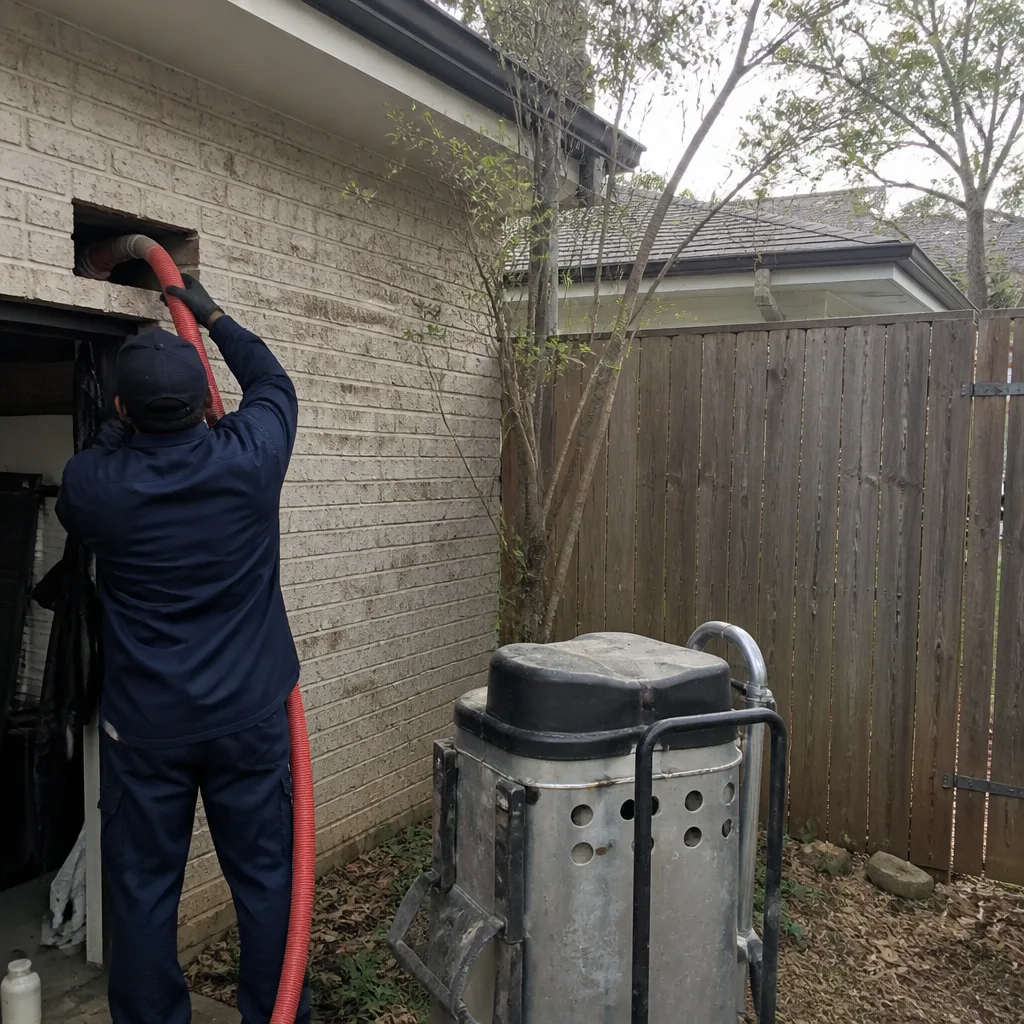 Before
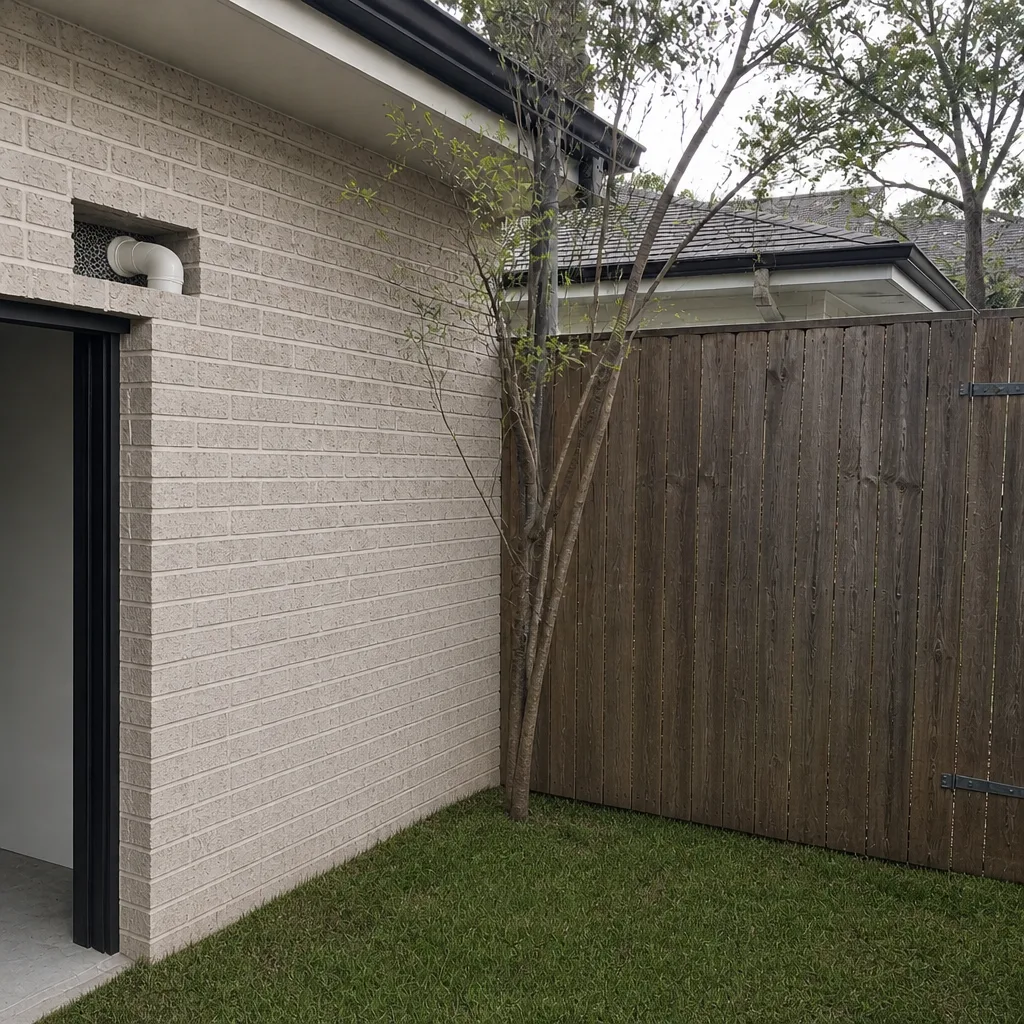 After
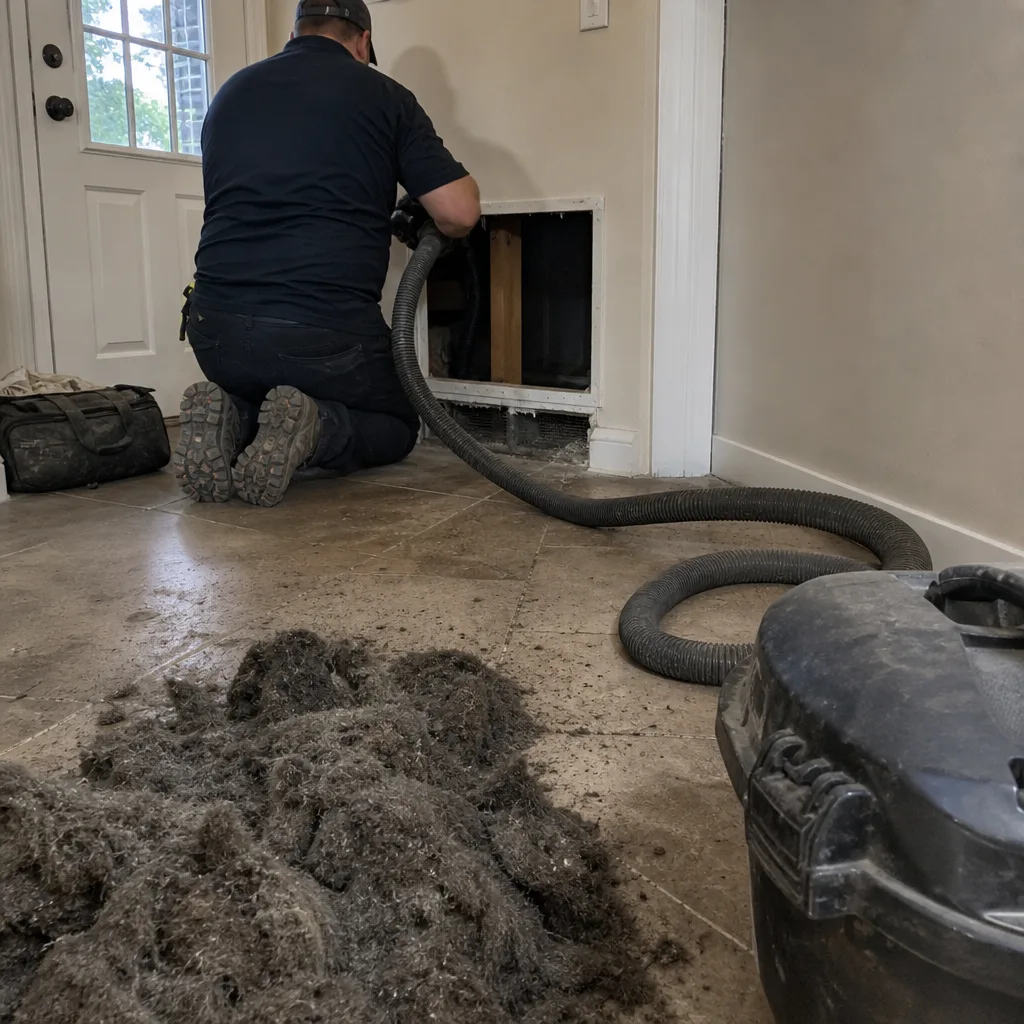 Before
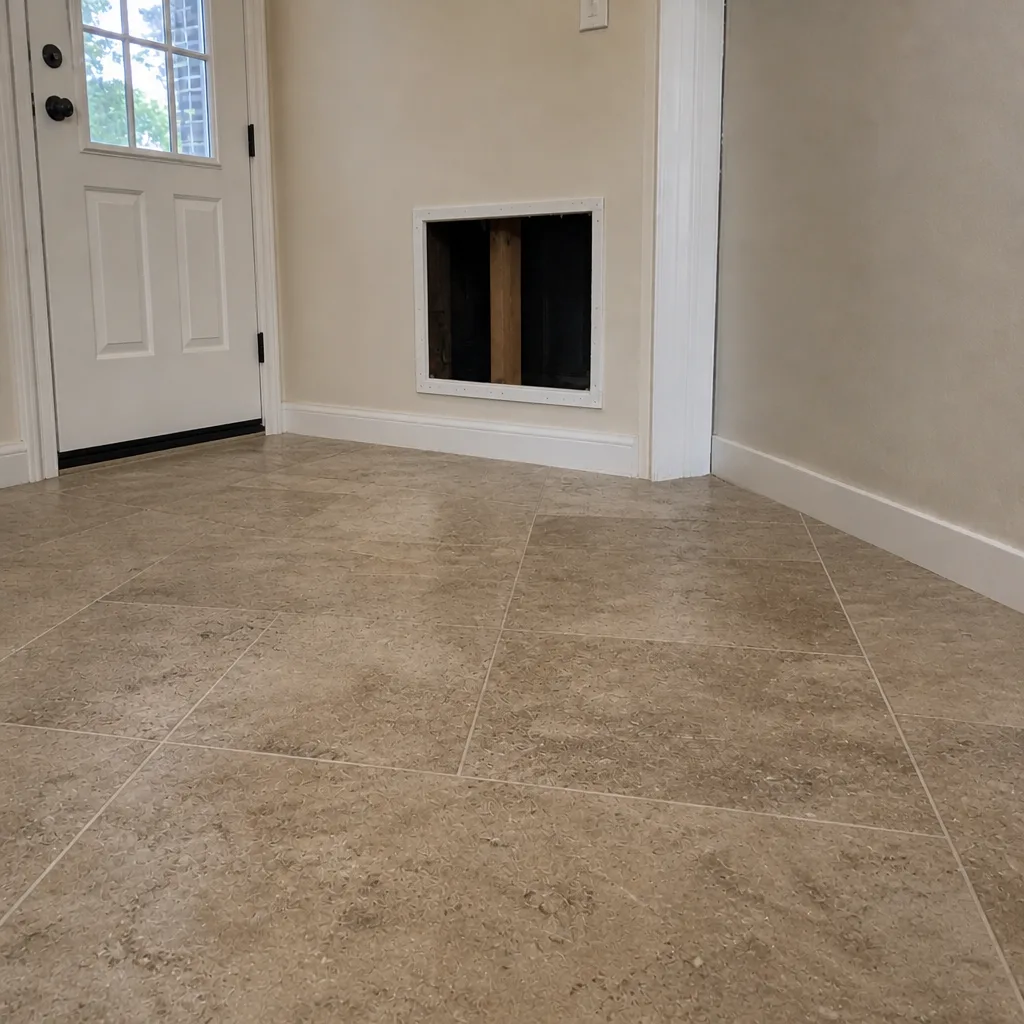 After
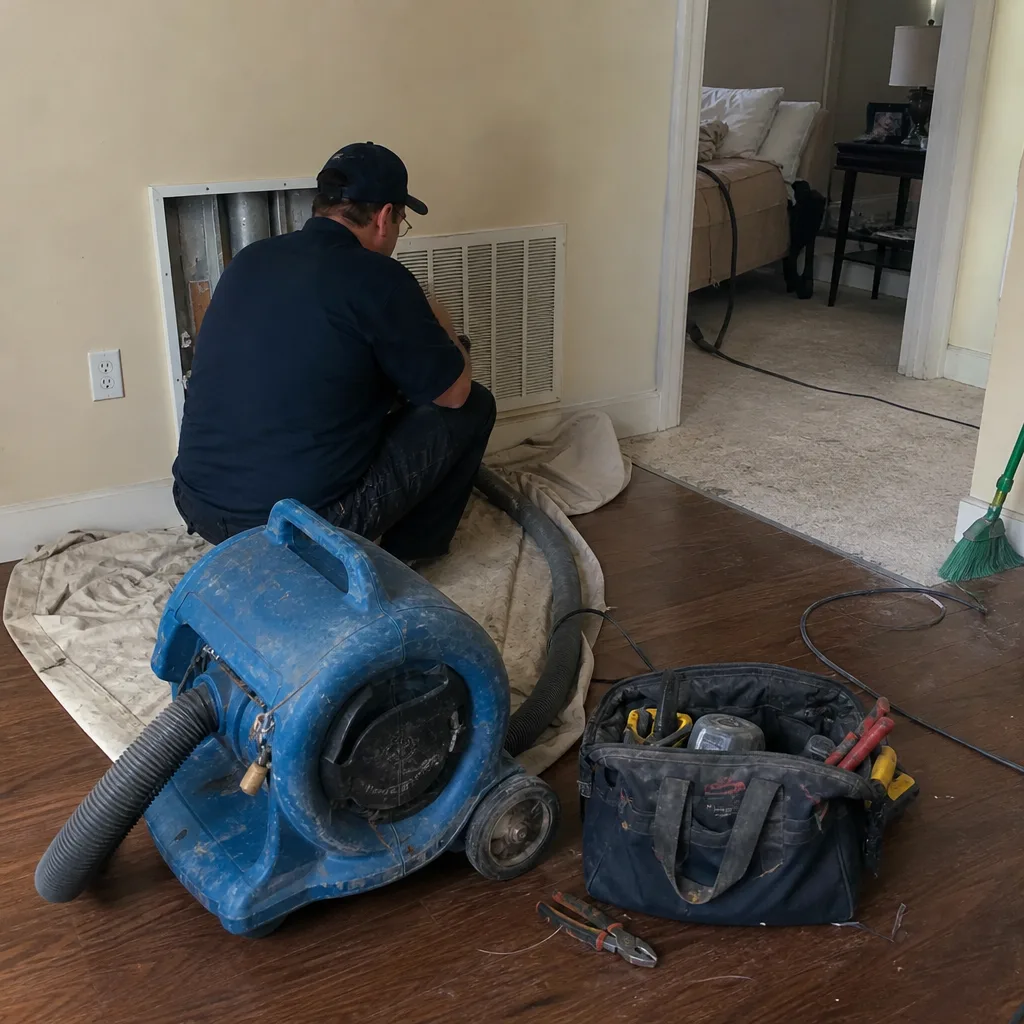 Before
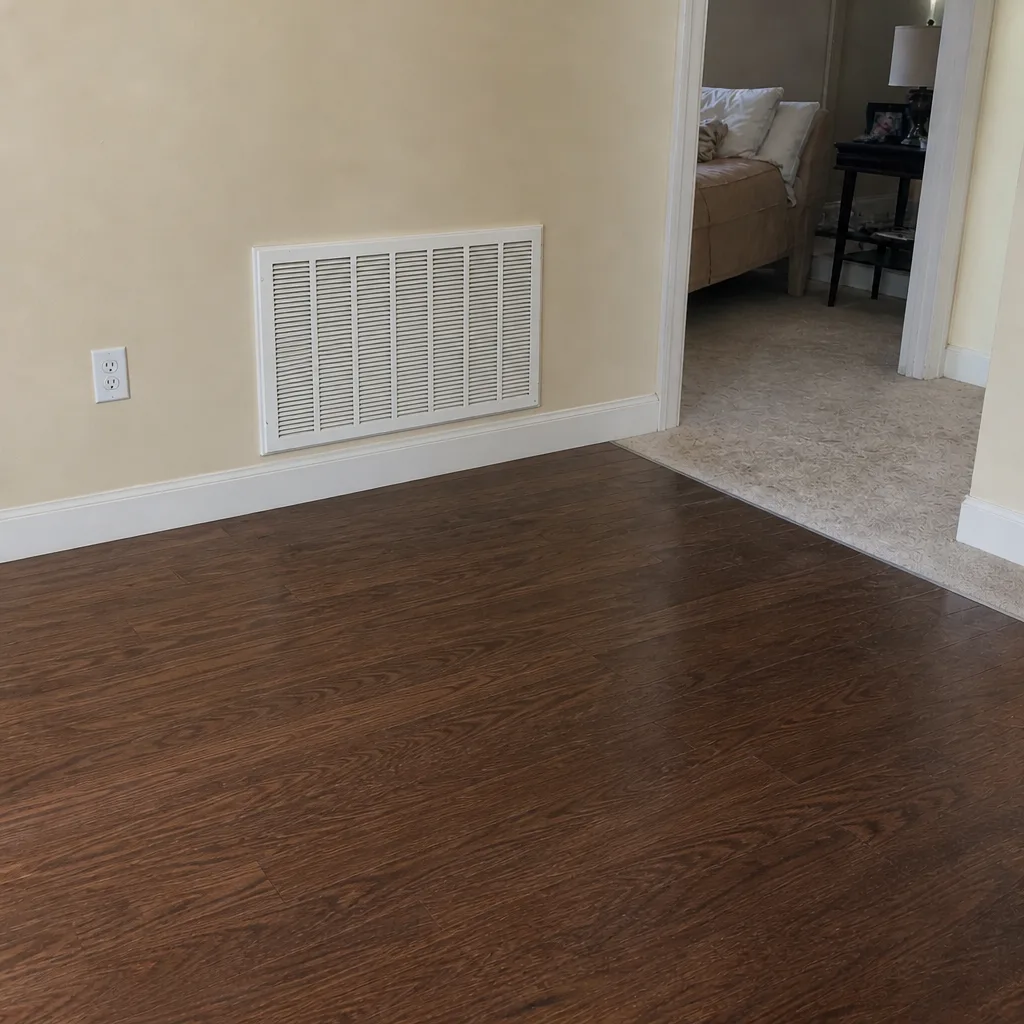 After
When to Call a Professional
Some duct conditions are cosmetic; others are worth a call right away. In Bluffview, the calls we take most often fall into a few categories. If you’ve just finished a renovation, and drywall dust or sawdust was airborne during the project, the return plenum almost certainly needs professional cleaning. If you have visible dust returning to the registers within a week of a cleaning, there’s a leak or filtration problem upstream that needs diagnosis. If anyone in the house is waking up with allergy symptoms that improve away from home, the duct system and coil are worth inspecting with a camera. Musty odor at startup usually points to the drain pan or coil. And if a home inspection flagged the ductwork, ask for a professional assessment before you close.
Air Duct Cleaning Bluffview offers free estimates in Bluffview – call (855) 337-1683. The estimate is free, the price is set per job in writing, and we answer 24/7. Fast dispatch from 7am to 7pm, Sunday through Friday.
Frequently Asked Questions
Air duct cleaning in Bluffview is priced per system, not per vent, and the written estimate after an in-person assessment sets the exact figure. Quotes that start with a per-vent price tend to grow once the technician is on site; a flat per-system price agreed before any work begins avoids that trap. Call (855) 337-1683 for a free estimate on your specific system.
The cheaper quote is usually for a narrower scope: ducts only, no coil, no blower, no plenum, no before-and-after documentation, and often no proper negative-pressure equipment. It is not a bargain on the same job; it’s a different, smaller job. Ask any contractor what their quote excludes before comparing numbers. Call (855) 337-1683 for an honest scope breakdown.
You know it was done when you have interior before-and-after photos of your own ducts, plenum, and air handler, captured from the same camera positions. A credible contractor hands those over as part of the job, not on request. If they can’t show you the inside of your own ducts after cleaning, the work wasn’t documented. Call (855) 337-1683 to see how we document a full-system clean.
There’s no fixed interval that applies to every Bluffview home. The right schedule depends on your duct material, system age, filtration, and whether the house has been through a renovation. Build a baseline once, watch the coil and filter evidence, and let those findings drive the next cleaning decision. Call (855) 337-1683 and we’ll help you build that baseline.
It can, because removing accumulated dust, debris, and microbial growth from the ducts and coil reduces what the system redistributes through the house. It’s most effective when combined with sealing leaky ducts and treating the coil, not when it’s done as a duct-only surface pass. Anyone with active symptoms should keep working with their physician while the system gets addressed. Call (855) 337-1683 to discuss your situation.
Duct cleaning addresses the distribution network: supply and return ducts, plenum, and registers. HVAC cleaning addresses the mechanical side: the evaporator coil, blower wheel, cabinet, and drain pan. A full-system job covers both, because a clean duct network with a dirty coil re-contaminates quickly. Call (855) 337-1683 to scope both for your home.
The Bottom Line
Duct cleaning in Bluffview is a system-level decision, not a single errand. The full picture includes ducts, plenum, coil, blower, registers, and drain pan, cleaned by source-removal method under negative pressure with before-and-after documentation. Because of the clay-heavy soil and seasonal wind load here, cleaning without sealing leaky joints is a temporary fix; because the winters are mild, the system keeps running and keeps depositing particulate year-round. Build a baseline for your specific home, choose a contractor who can show their work, insist on one flat price per system agreed in writing, and let the evidence of your own system drive the next cleaning decision. That’s the whole approach.
Call (855) 337-1683 for a free estimate. We answer 24/7. Fast dispatch from 7am to 7pm, Sunday through Friday.
Written by the team at Air Duct Cleaning Bluffview.