
Last updated November 23, 2026
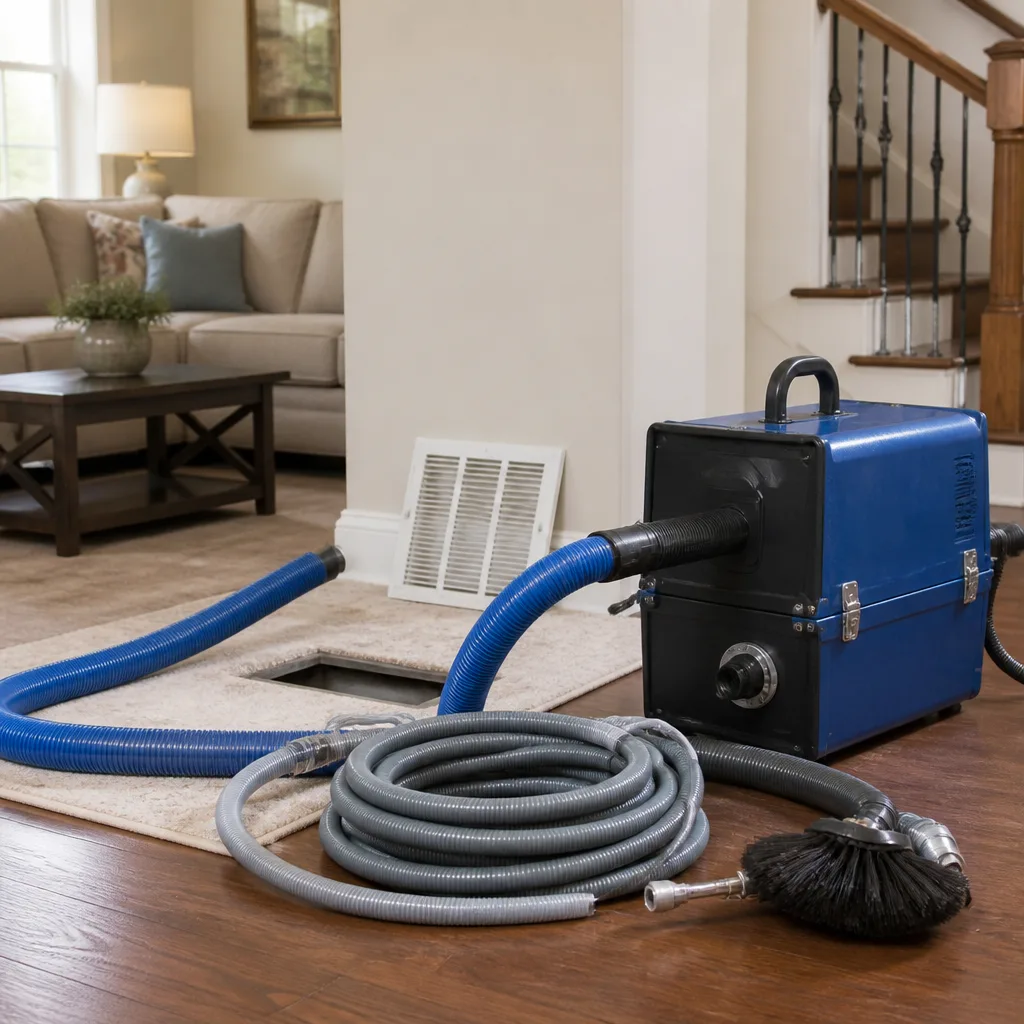 Whole-home duct cleaning
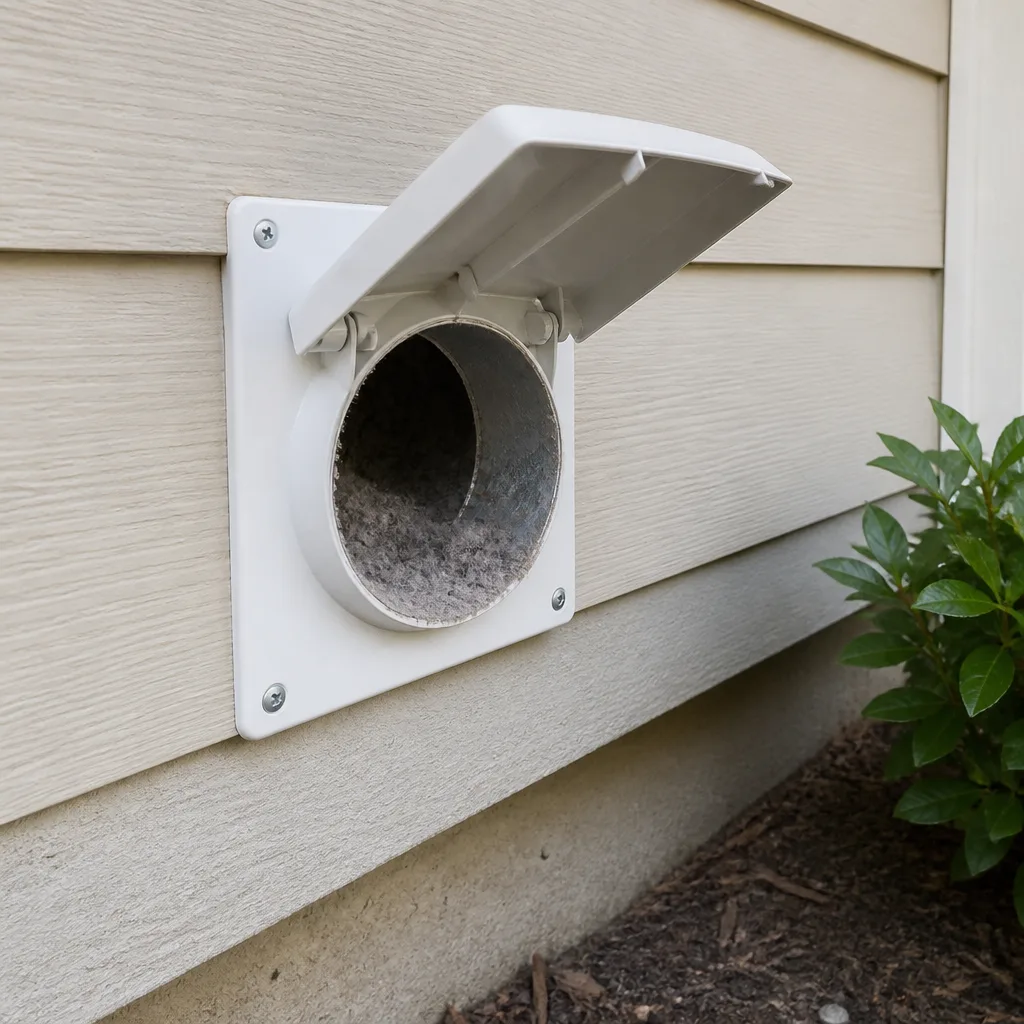 Dryer vent cleaning
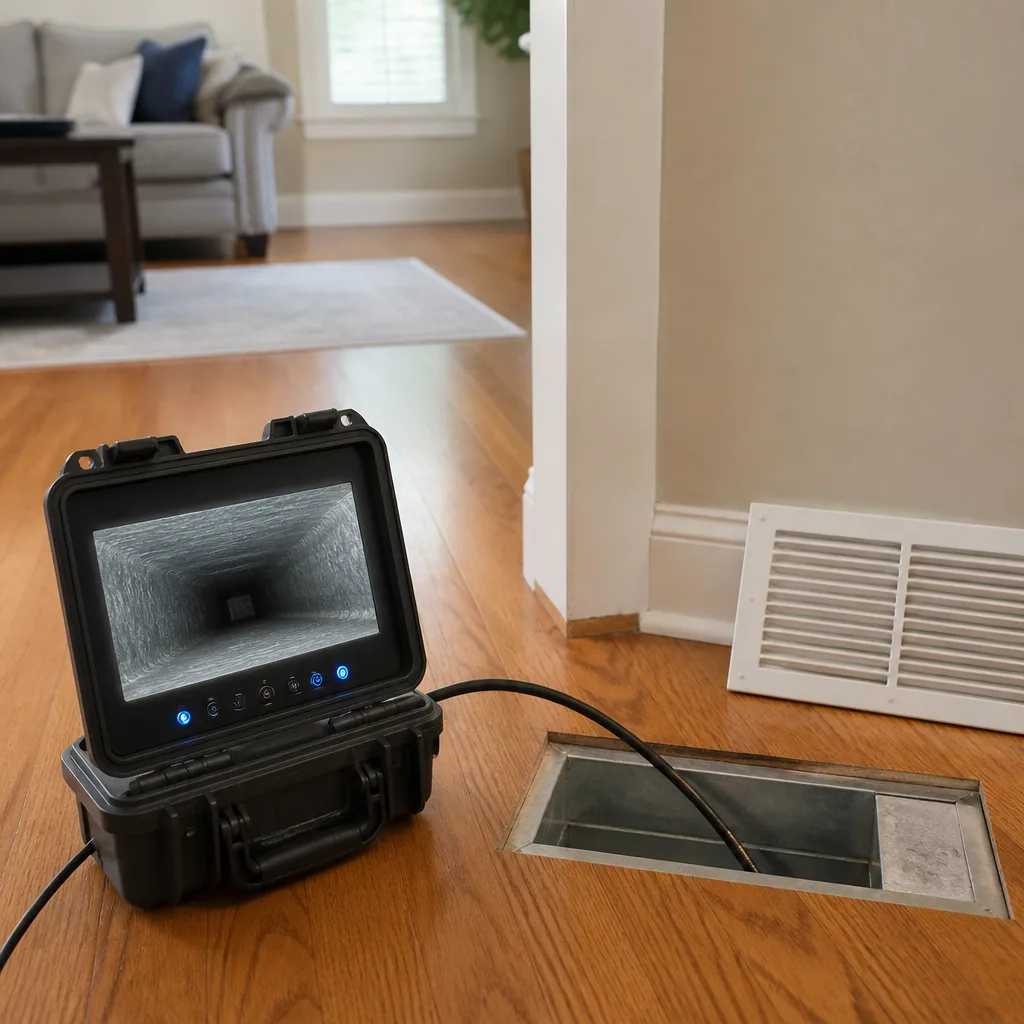 Camera inspection
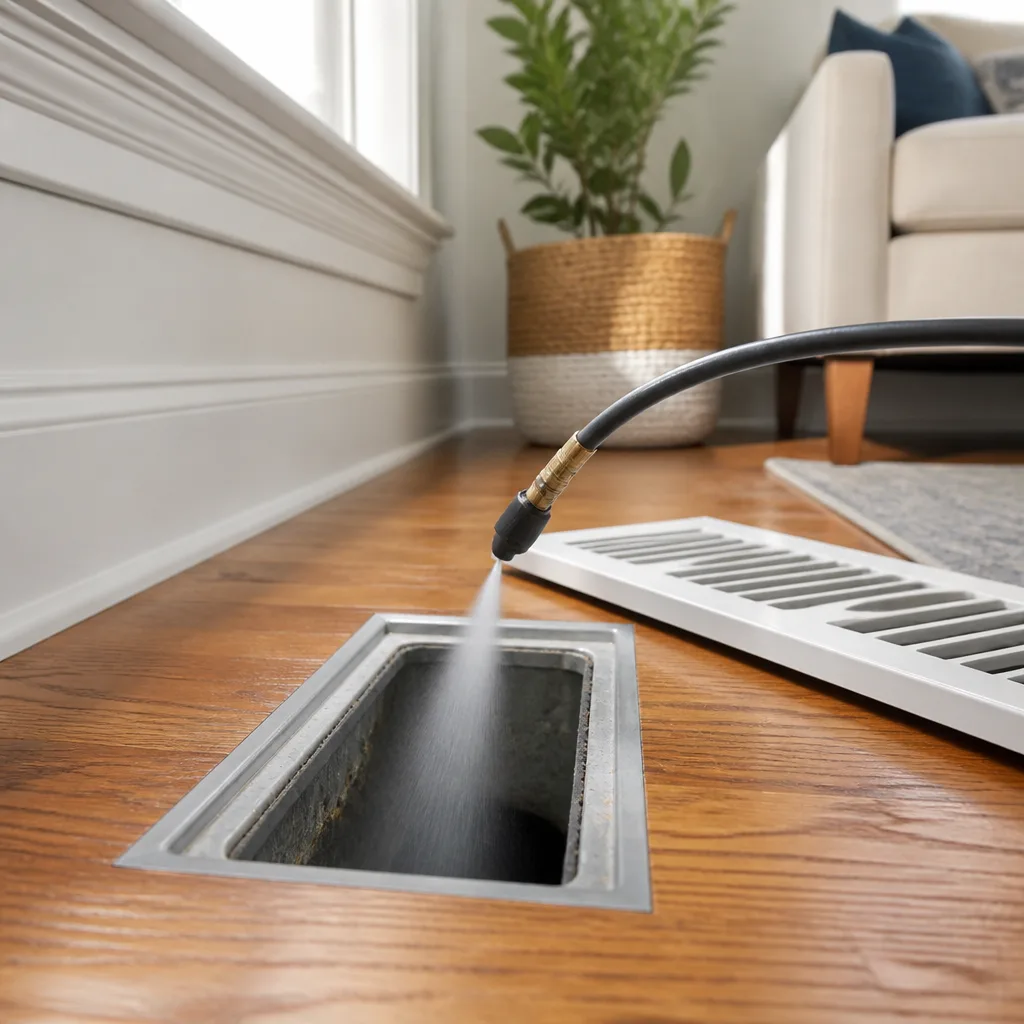 Sanitizing & deodorizing
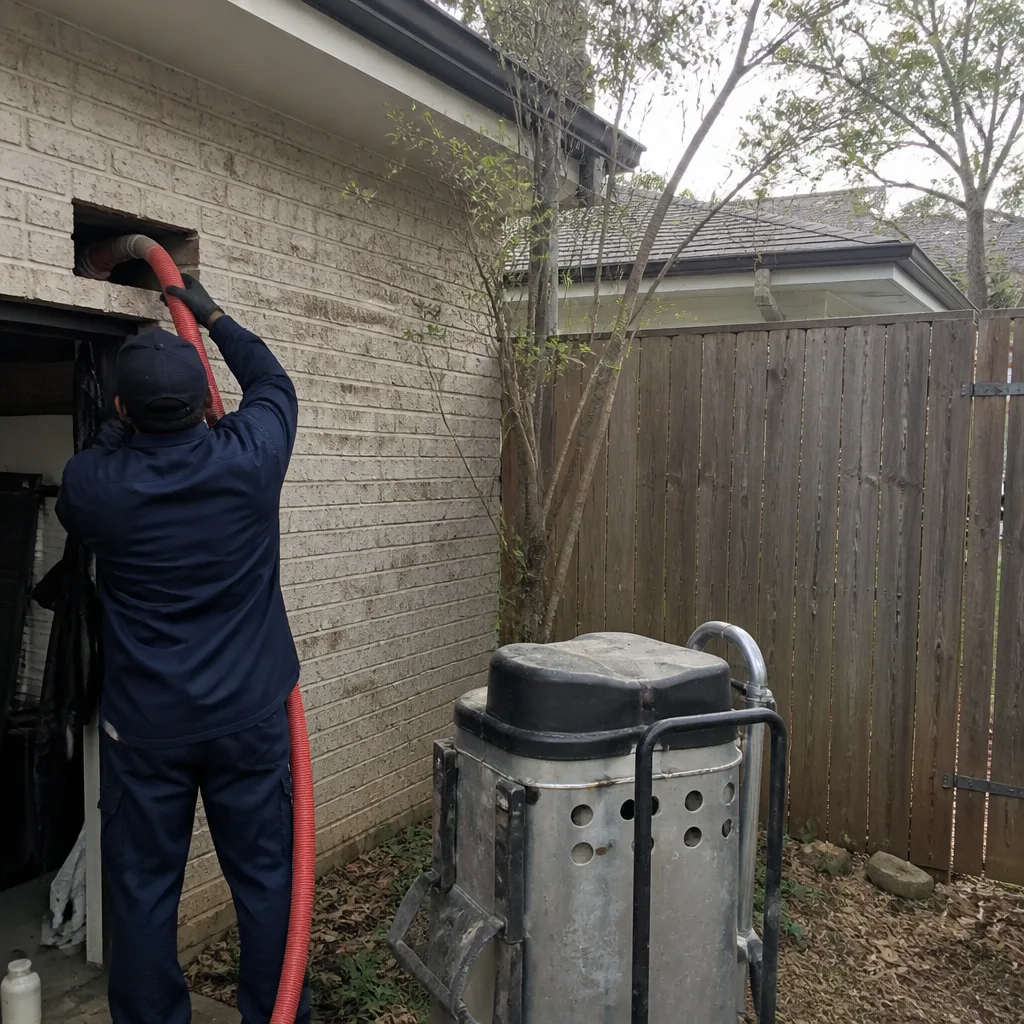
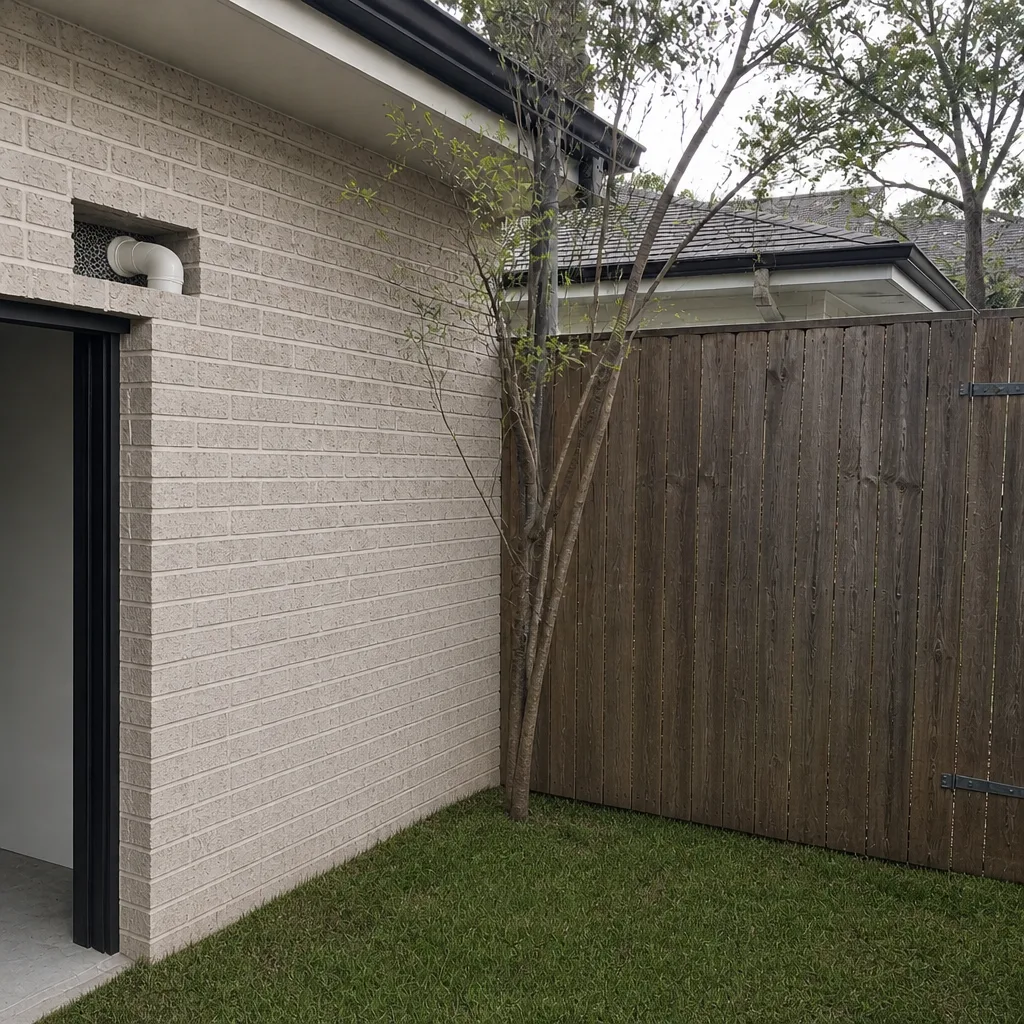
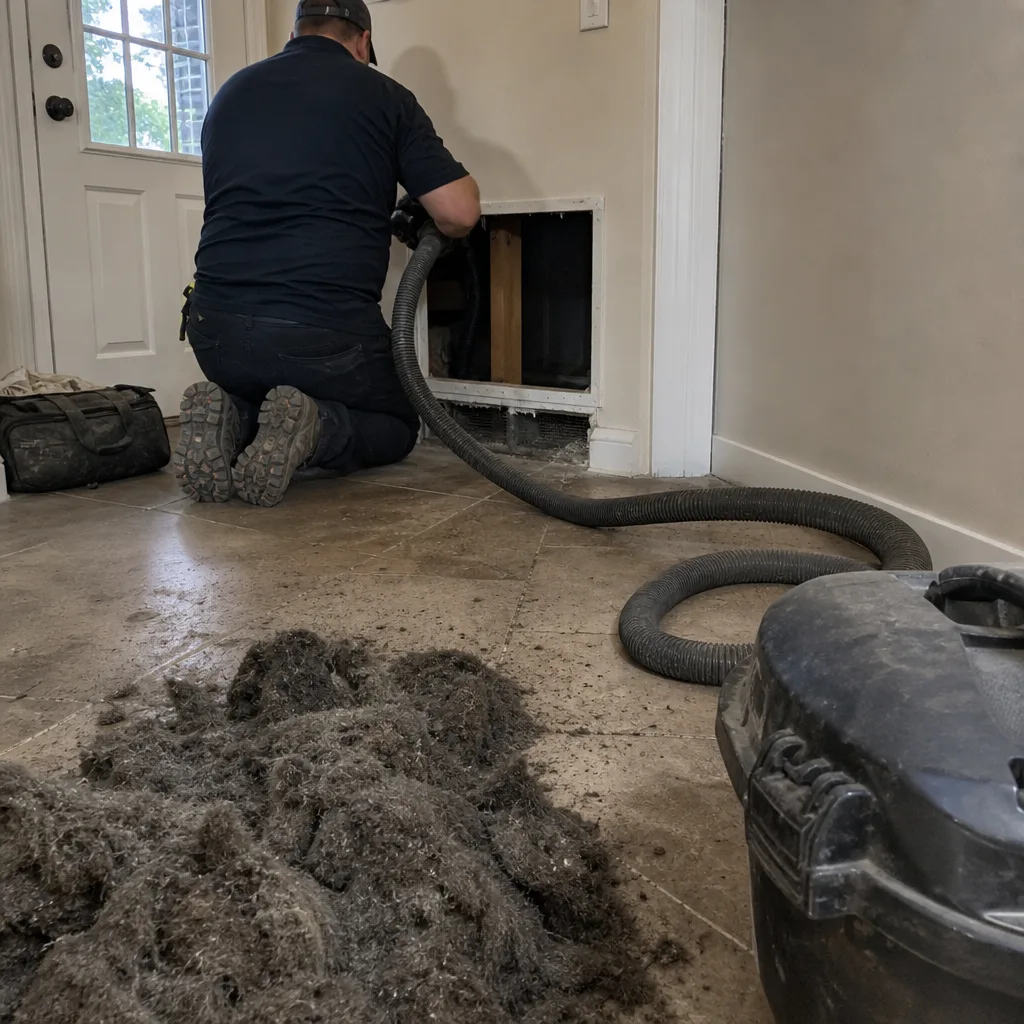
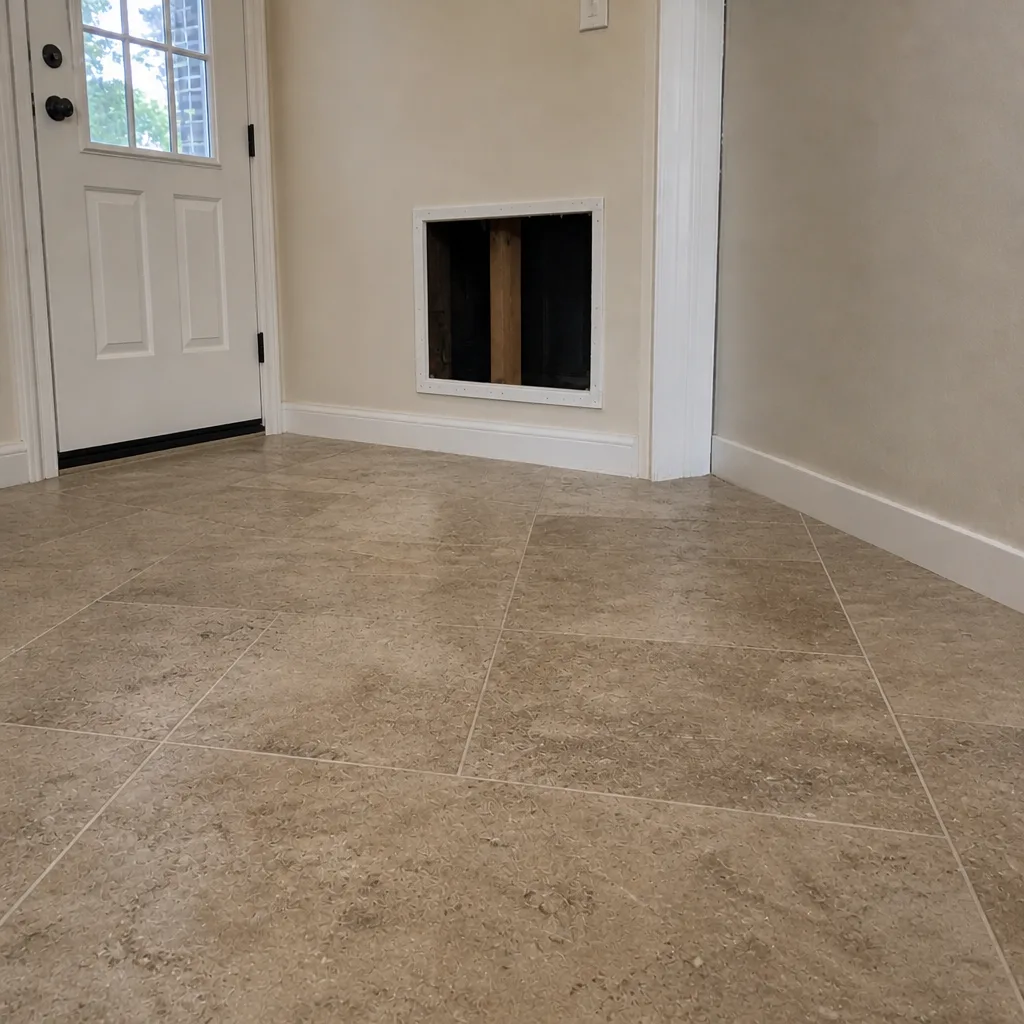
Whole-system duct and dryer vent check with before-and-after photos - you see exactly what came out of your vents
That "$99 whole-house special" is a bait ad - the real number appears once they are in your hallway, or the "clean" is a shop-vac at the register. We photograph the inside of your ducts before and after instead.
Air Duct Cleaning Permits, Codes & Inspections in Bluffview, TX: What You Need to Know
The surprise usually arrives at the closing table, not at the start of the job. A homeowner in Bluffview hires someone for air duct cleaning, the technician finds crushed flex runs and gaps at the plenum, and the “cleaning” quietly becomes duct modification work. Nobody pulls a permit. Nobody writes a scope change. Later, an inspector, a buyer’s agent or an insurance adjuster asks a simple question about what was altered inside the system and there’s nothing to show. Cleaning a duct system and changing its shape, size or routing are two different categories of work in Texas, and the line between them matters more than most homeowners expect. This guide walks through what the mechanical code actually covers, where City of Dallas and Dallas County review come in for Bluffview properties, how to make a contractor separate cleaning from repair in writing, what paperwork to keep, and why ACCA Manual D enters the conversation the moment ductwork is resized.
Quick Answer
Cleaning ducts in Bluffview generally does not require a permit, because routine cleaning removes debris without altering the system. Duct repair, sealing that changes the system’s configuration, resizing, rerouting or replacing duct runs usually does fall under mechanical code review, and in Bluffview that review runs through City of Dallas permitting. Most permit questions come down to one thing: whether the work changes the duct system or only cleans it.
Styles & brands we work with
- Whole-home duct cleaning
- Dryer vent cleaning
- Camera inspection
- Sanitizing & deodorizing
Table of Contents
- Does cleaning need a permit in Bluffview?
- What Texas mechanical code covers and what it doesn’t
- Where City of Dallas and Dallas County review come in
- How to get cleaning and repair scoped separately in writing
- What documentation to keep after duct repairs
- Why ACCA Manual D matters after cleaning
- Inspections: what gets looked at and when
- Questions to ask before you sign anything
Does cleaning need a permit in Bluffview?
Cleaning alone usually does not need a permit in Bluffview. A permit is tied to construction, alteration or replacement of a system component, and vacuuming debris out of existing ductwork or a plenum doesn’t create or change any component. The job is maintenance. Nothing is added, moved or resized. When the scope stays there, most Bluffview homeowners finish the job without ever filing a permit application.
The category changes the moment a technician proposes more than cleaning. Watch for these phrases, because each one points at work that can move into permit territory:
- “Your return trunk is undersized, we should rebuild it.”
- “This flex run is crushed, we’ll reroute it.”
- “We’ll cut in a new supply for that room.”
- “We’re sealing the plenum and adding a transition.”
- “We’ll replace this whole section of hard duct.”
None of those are cleaning tasks. They’re alterations to the duct system, and alterations are what mechanical codes and permitting address. In our experience, this is where the surprise settles in. A homeowner approves what they believe is a cleaning, then finds out ductwork was reconfigured. Sometimes that’s fine. Sometimes it’s not documented, and undocumented alteration of a system is what a buyer’s inspector will flag.
One more piece of local context matters for Bluffview: the neighborhood’s homes include a mix of older construction and renovation-heavy properties where duct layouts have been modified over time. In a house like that, a technician who finds irregular routing can’t always tell whether it’s original work or a previous owner’s improvisation. That’s when the question of what was permitted becomes genuinely difficult to answer without paperwork.
What Texas mechanical code covers and what it doesn’t
Texas mechanical code governs how HVAC systems are installed, sized, routed, supported and connected. It sets requirements on duct materials, sealing at joints, clearances, support spacing and the way supply and return systems interact with the equipment. If any of that is created or changed during a job, the work falls inside the code’s scope.
Cleaning sits outside that scope in almost every case. The code isn’t written to regulate maintenance of an existing assembly; it’s written to regulate how that assembly is designed and put in. That’s the clean distinction:
- Inside the code: new duct runs, replacement of a duct section, resizing a trunk or branch, changing the routing of a run, cutting new supply or return openings, adding dampers in some configurations, changing the way a plenum connects to equipment.
- Outside the code: vacuuming and agitating duct interiors, removing debris from a plenum, cleaning registers and grilles, cleaning the blower and coil surfaces as part of maintenance, cleaning dryer vent runs.
This is not a loophole and it isn’t a technicality. It’s how maintenance and construction are separated in the code: one preserves a system, the other changes it. Cleaning preserves. Repair changes. A contractor who understands that distinction can tell you precisely which portion of a job needs a permit before a technician arrives at your door.
What the code does not do is require that cleaning be inspected, certified or reviewed. There’s no “duct cleaning permit” in Texas and no inspection sign-off on a cleaning job. If someone tells you there is, ask them to point to the specific provision. A legitimate answer will describe a repair they’re proposing, not the cleaning itself.
Where City of Dallas and Dallas County review come in
Bluffview sits inside Dallas, and mechanical permits for properties in the neighborhood go through City of Dallas. Dallas County does not issue mechanical permits itself; the county’s role with residential property is generally on the appraisal and record side, not the permitting side. For practical purposes, if a duct repair crosses into permitted work at a Bluffview address, the City of Dallas is the body you or your contractor deal with.
How the sequence usually works when a repair is needed:
- Determine the scope. Your contractor identifies which duct sections are being changed, added or replaced versus which are being cleaned only.
- Confirm whether a permit is required. Call the City of Dallas building department or check the current online permitting guidance for a residential mechanical permit. Ask the question in plain terms: “Is a permit required to replace a duct section and reroute one supply run?”
- File before work starts. If a permit is required, the application is filed and any review completed before the ductwork is opened up. Filing after the fact turns a straightforward repair into a rectification problem.
- Schedule inspections. A permitted mechanical job generally includes at least one inspection while the work is accessible, plus a final look at completion.
- Record the result. Keep the permit number and the inspection sign-off with your home’s records.
Bluffview’s housing stock complicates this a little. The neighborhood runs from older homes with original hard duct to newer renovations where layouts have shifted. If a proposed repair involves opening walls or ceilings, the scope may extend beyond mechanical into other trades depending on what’s behind the surface. That’s not unusual; it’s the kind of thing a permitting office asks about when an application arrives. In our experience, jobs go more smoothly when the duct contractor prepares the scope description carefully and states plainly what’s being changed and where.
Registrations, license classes and the specific review timeline are the permitting office’s territory, and the answer can shift as the city’s process changes. Ask before you file, not after. If a contractor tells you “nobody permits this stuff,” the correct response is to call the city yourself and confirm.
How to get cleaning and repair scoped separately in writing
Ask for two documents before work starts, and keep them separate. One covers cleaning; one covers repair. The cleaning scope describes what’s being removed, from where and with what equipment. The repair scope describes what’s being changed and how. Keeping them apart protects you in three ways: you know what you’re paying for, you can see which portion needs a permit, and you have a record if the work becomes a question later.
Here’s how to structure the ask:
- Request the cleaning scope on its own. It should list the duct runs covered, whether the plenum is included, what equipment is being used, and how the work will be documented (photos before and after are standard for professional-grade work).
- Request that the repair scope be itemized if any repair is proposed. Each item should describe the specific duct section and the specific change: replace 12 feet of crushed flex with rigid duct at the rear bedroom supply, reseal the plenum at the plenum-to-air-handler connection, and so on.
- Ask directly: does anything on the repair list require a permit from the City of Dallas? Get the answer in writing.
- Confirm who files. If a permit applies, the person filing should be named in the document. In most residential work the contractor files on your behalf, but that arrangement should be stated.
- Agree on the sequencing. If a repair is permitted, the inspection timing needs to fit before walls close or duct openings seal. Ask the contractor how they’ll coordinate.
One flat price per system, agreed before work starts, is the standard we hold to for cleaning. Repairs priced separately, with the written scope in hand, keeps the two categories from blurring. That’s the whole point.
If a repair is discovered mid-cleaning, the right move is to pause, document the finding with photos and a written description, and put a repair proposal in front of you before anything gets changed. Don’t let the scope quietly expand. A duct contractor who respects the cleaning-repair line will tell you when they’ve crossed it and offer you a decision. One who doesn’t may just keep working.
What documentation to keep after duct repairs
Keep a paper trail after any duct repair. The records that hold up under scrutiny are the ones that name what changed, who changed it, and how it was verified. For insurance, resale and warranty purposes, six things are worth holding onto:
- The permit number and inspection sign-off, if a permit was required and issued. Store it with your property deed file, not in a drawer with receipts.
- The written repair scope, including the duct sections identified and the changes made. Vague paperwork (“sealed and repaired ductwork”) tends to fail an inspection or a buyer’s question.
- Before-and-after photographs of the sections that were repaired. Photos of a crushed run before and a smooth run after document both the need and the work.
- The contractor’s invoice, itemized so that repair work is distinguishable from cleaning.
- Material specifications, at minimum the duct type and insulation value used, if a duct section was replaced.
- Any warranty documentation tied to the repair, including the period covered and what triggers it.
For resale, this bundle answers the buyer’s inspector instead of triggering a follow-up question. For insurance, it separates maintenance cleaning (usually not a claim) from a repair that may be relevant to a claim or a covered loss. For warranty, it documents that the system was serviced consistently with the equipment maker’s expectations. Duct repair is a real change to the home’s air distribution, and it deserves a paper trail the way a roof replacement does.
We keep the same principle in mind when we document cleaning work: photos of the ducts before and after, so a homeowner can see what was removed. Documentation isn’t a courtesy. It’s the difference between a job that can be verified and one that can only be taken on faith.
Why ACCA Manual D matters after cleaning
ACCA Manual D is the residential duct design standard that governs how duct systems are sized and routed. It’s the reference point most mechanical codes in Texas align to when ductwork is being designed or changed. The reason it comes up after cleaning is simple: repair work isn’t just about closing a gap. If a duct run is resized, rerouted or replaced with different material, the resulting system has to move the same volume of air the equipment expects. Manual D is the standard that tells a contractor whether the change actually holds up.
This matters in Bluffview because of the housing mix. Homes that have been renovated multiple times over the years sometimes have duct systems that were modified piece by piece without design review. A technician cleaning that system may find runs that are undersized or routed inefficiently, and a repair that doesn’t account for Manual D can make the problem worse. Restrictive ductwork reduces airflow, which stresses the blower and drops comfort in rooms at the end of long runs.
When a duct repair enters the design territory, ask these questions:
- Is the replacement duct sized to the airflow the equipment is rated for?
- Is the routing being preserved, or does rerouting require a shorter or larger run to compensate?
- What support and sealing method is being used at each connection?
- Has the contractor referenced Manual D for the sizing, and can they show you the calculation?
If a contractor can’t answer those questions, the repair is probably improvising. Duct repair and sealing done with proper sizing is a different category from patching a gap with foil tape. Our duct repair work treats the system holistically: we seal and repair connections, then clean and treat the system as a whole, so the airflow the system delivers actually matches what the equipment expects. Honeywell and Aprilaire components on the air-handling side depend on that airflow being right too. The tools matter and the design matters. Getting one without the other leaves the system compromised.
Inspections: what gets looked at and when
Permitted duct work involves inspection at defined points. Cleaning work doesn’t have an inspection requirement. That distinction is worth holding onto, because homeowners sometimes ask whether we can “get it inspected” after a cleaning, and the honest answer is that there’s no inspection step for cleaning in Texas. The verification is documentation: photos, a written scope and the invoice.
When a repair is permitted, the inspection points usually look like this:
- Rough inspection before closure. The inspector reviews the duct connections, support, sealing and routing while the work is still accessible. Duct segments that are hidden by finished walls or ceilings need to be inspected before they’re covered.
- Final inspection at completion. The system is reviewed as a whole once the repair is finished and everything is buttoned up.
- Documentation review. The permit number and sign-off are recorded. Inspection notes are attached to the permit record.
If a contractor proposes a repair that might require a permit, ask when the inspector will be able to see the work and how the sequencing will accommodate that. Don’t accept “we’ll take care of the inspection later” without a definite plan. The repair has to stay accessible until the inspector has seen it, and that affects how and when walls close.
Beyond the permit track, there are other moments where duct condition becomes visible to an outside party. A home inspection before sale, an insurance adjuster’s visit after a loss, or an HVAC contractor evaluating a blower problem can each trigger questions about the system. Having records makes those conversations short. Missing records turns them into negotiations.
Questions to ask before you sign anything
The right questions before a job starts make the difference between a clean job and a confusing one. Here’s the list we wish every Bluffview homeowner carried into the conversation:
- What exactly is being cleaned? Every run or only the main trunk, and is the plenum included? If the answer is vague, ask for the number of runs in writing.
- Is anything being repaired or modified? If yes, ask for a separate written repair scope and for a statement about whether the repair requires a City of Dallas permit.
- What equipment is being used? Professional-grade equipment is a different job from a shop-vac pass. Ask about the system, not a brand name.
- How will the work be documented? Ask specifically for before-and-after photos of your own ducts, not stock images.
- Is the price flat per system? Confirm the price is one figure for the whole system, agreed before work starts, and that the written estimate is what gets billed.
- If repair is needed, who files the permit? Confirm who is filing and when, if the repair falls under permit review.
- What records will I get at the end? Ask for the invoice itemized by scope and any photographs of the work.
These questions are how you separate a contractor who’s done the thinking from one who hasn’t. The answers should come quickly and specifically. If they don’t, that’s your signal to keep looking.
Common Mistakes to Avoid
- Accepting a verbal scope change on a repair. A technician who says “we’re going to reroute this run while we’re here” without a written repair scope is asking you to approve permit-relevant work on the fly. Get it in writing, including whether a City of Dallas permit applies.
- Assuming cleaning permits the repair. If a contractor cleans your ducts and then offers to “fix” a crushed run, don’t treat the second job as a continuation of the first. Repair and cleaning are separate categories, and the second one may need a permit the first did not.
- Letting repair get buried on the invoice. A single line item that says “duct work – $X” tells you nothing and documents nothing. Ask for the repair scope itemized separately so it stands up for insurance and resale.
- Skipping the City of Dallas confirmation call. Contractors get the permit question wrong sometimes, in both directions. A quick call to the building department settles it. Ask in plain terms what’s being changed, and write down the answer.
- Hiring a cleaner without repair capability. A contractor who can only clean will either turn the repair into a separate trip or downplay the finding. Choosing a company that also handles HVAC cleaning and duct repair and sealing means the scope can be scoped properly from the start.
- Ignoring Manual D on a resized run. A replacement duct that isn’t sized to the airflow the equipment is rated for can leave the system more restrictive than it started. Ask whether the sizing follows Manual D.
- Forgetting the dryer vent is a separate line. dryer vent cleaning is a maintenance service with its own rationale, and it doesn’t share a permit question with duct repair. Keep the scopes separate.
See the difference
 Before
 After
 Before
 After
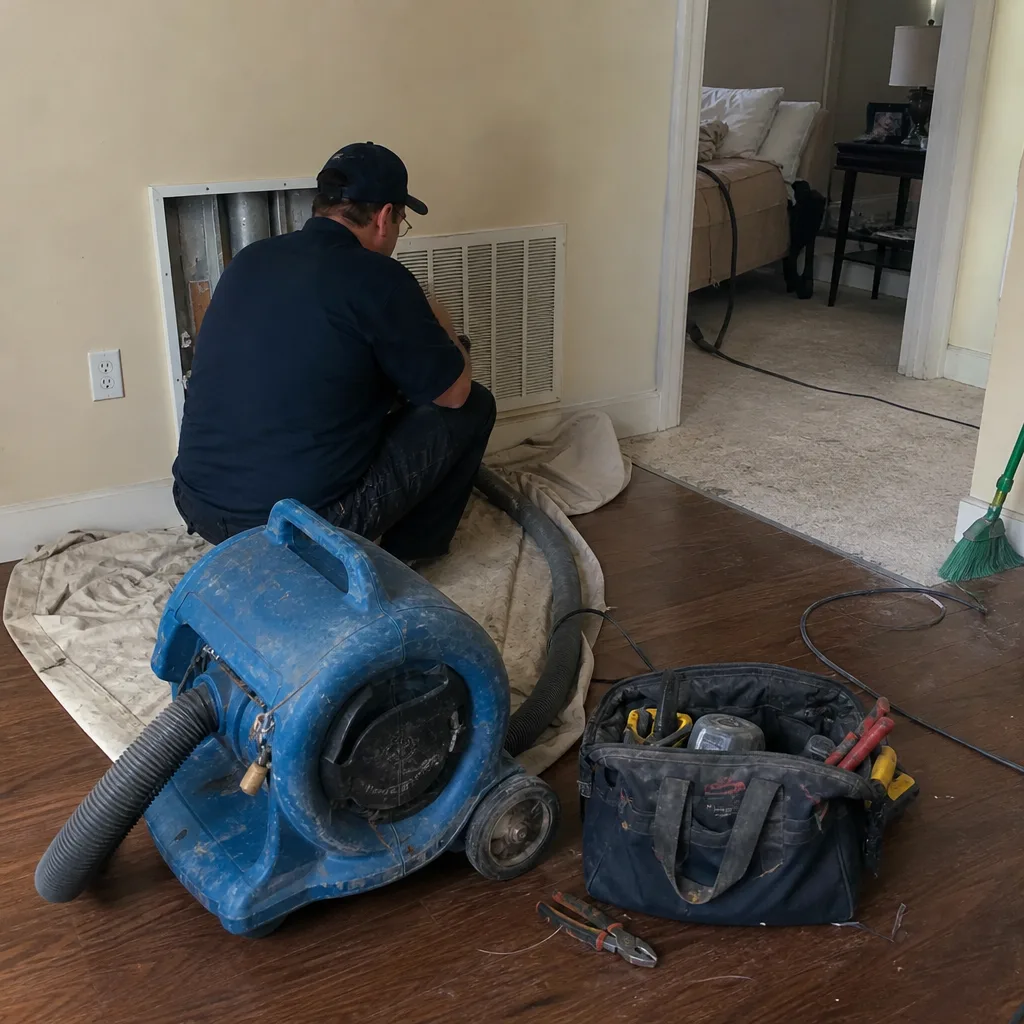 Before
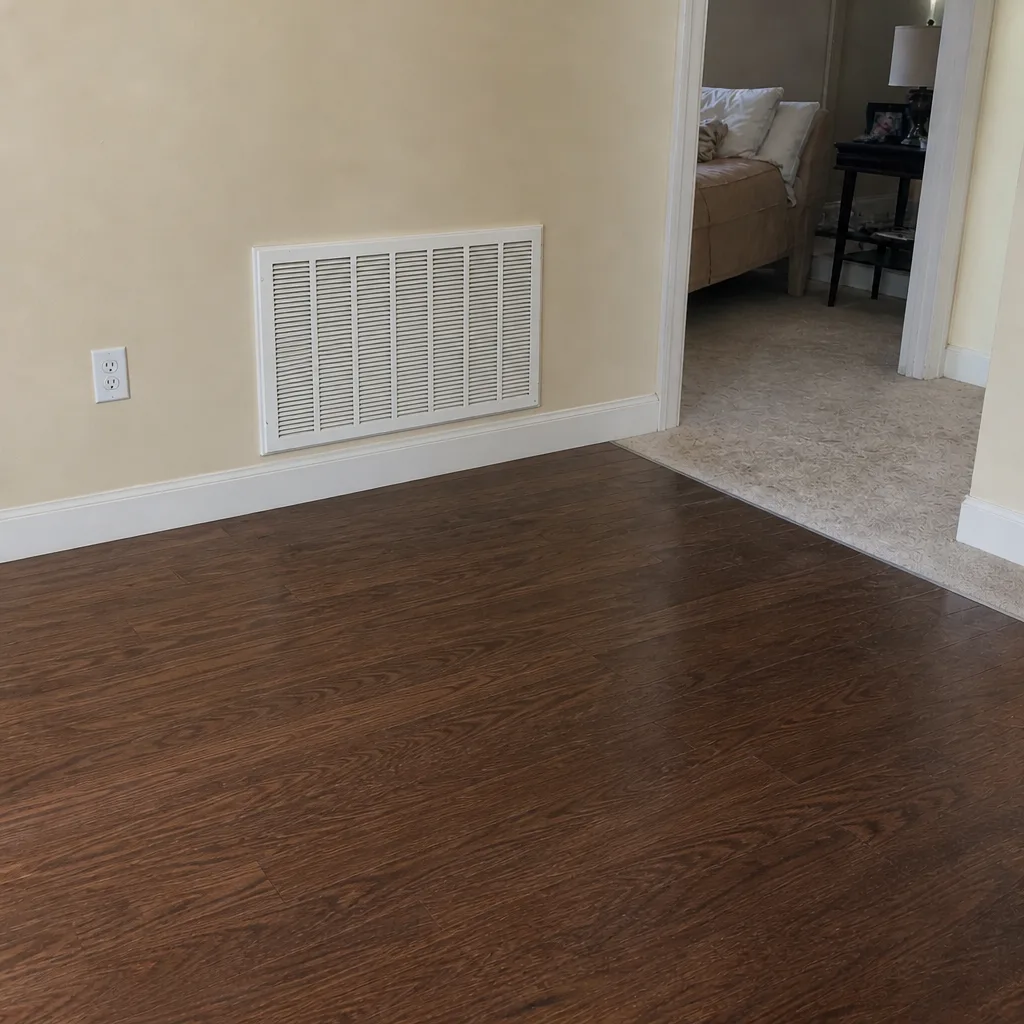 After
When to Call a Professional
Call a professional when the work needs more than cleaning. If a technician proposes replacing or resizing duct runs, if you’ve found water intrusion or pest damage in a duct section, if a room has never received adequate airflow, or if an inspector has flagged the ductwork during a home sale, the job has moved into repair territory and needs someone who can scope and document it. Our technicians have up to 12 years of experience, and we work with professional-grade Rotobrush and Nikro equipment on every job because cleaning done with consumer tools isn’t the same work. We also handle repair and sealing, so a cleaning scope doesn’t turn into a referral. Air Duct Cleaning Bluffview offers free estimates in Bluffview. Call (855) 337-1683. We answer 24/7. Fast dispatch from 7am to 7pm, Sunday through Friday.
Frequently Asked Questions
No, cleaning ductwork in Bluffview generally does not require a permit because it doesn’t modify the duct system. The moment a job includes repair, resizing, rerouting or replacement of duct runs, it can fall under City of Dallas mechanical permit review. If you’re unsure which category your job is in, ask for the scope in writing. Call (855) 337-1683 for an exact quote – estimates are free.
Cleaning a whole system in Bluffview typically runs in the range you’d expect for a professional-grade cleaning of every run plus the plenum, and the written estimate sets the final price. We price per system, not per vent, and the flat price is agreed before work starts. Call (855) 337-1683 for an exact quote – estimates are free.
The cheap quotes usually cover a fraction of the system – a partial pass, no plenum, no photos – and the invoice grows once the technician is on site. A real cleaning covers every run, documents the work with before-and-after photos of your own ducts, and prices the whole system as one figure. Call (855) 337-1683 for an exact quote – estimates are free.
Ask for before-and-after photos of your own ducts and an itemized invoice showing what was cleaned and what was repaired. A written scope up front lets you compare photos against the plan. Cleaning is documented work, not something you should have to take on faith. Call (855) 337-1683 for an exact quote – estimates are free.
It depends on what’s being changed. A repair that replaces or resizes duct runs usually falls under mechanical permit review through City of Dallas; a repair that doesn’t alter the system’s configuration may not. Ask the contractor to state in writing whether a permit applies, and confirm with the city. A permit number and inspection sign-off are worth keeping with your property records.
Most Bluffview homes do fine with cleaning every few years, and sooner after renovation, a move-in, persistent musty odors or an allergy-driven household. The schedule depends on what the system is exposed to, not a fixed calendar. A system that’s been repaired and sealed properly tends to stay cleaner for longer. Call (855) 337-1683 for an exact quote – estimates are free.
The Bottom Line
Cleaning and repair live in two different categories, and the work that follows cleaning is where permit questions live. Cleaning removes debris from your system and doesn’t require a permit in Bluffview. Repair, resizing, rerouting and replacement of duct runs can fall under City of Dallas mechanical review, particularly when the repair changes how air moves through the system. Getting the two scopes separated in writing before work begins is the single best protection you can give yourself, and keeping the permit number, inspection sign-off, photos and itemized invoice afterward protects you at insurance, resale and warranty time. If a resized run is part of the job, ask whether the sizing follows ACCA Manual D. Those four items – written scope, permit check, photos, records – answer every question a buyer, inspector or warranty claim is going to raise. Call (855) 337-1683. We answer 24/7. Fast dispatch from 7am to 7pm, Sunday through Friday.
Written by the team at Air Duct Cleaning Bluffview.