
Last updated November 23, 2026
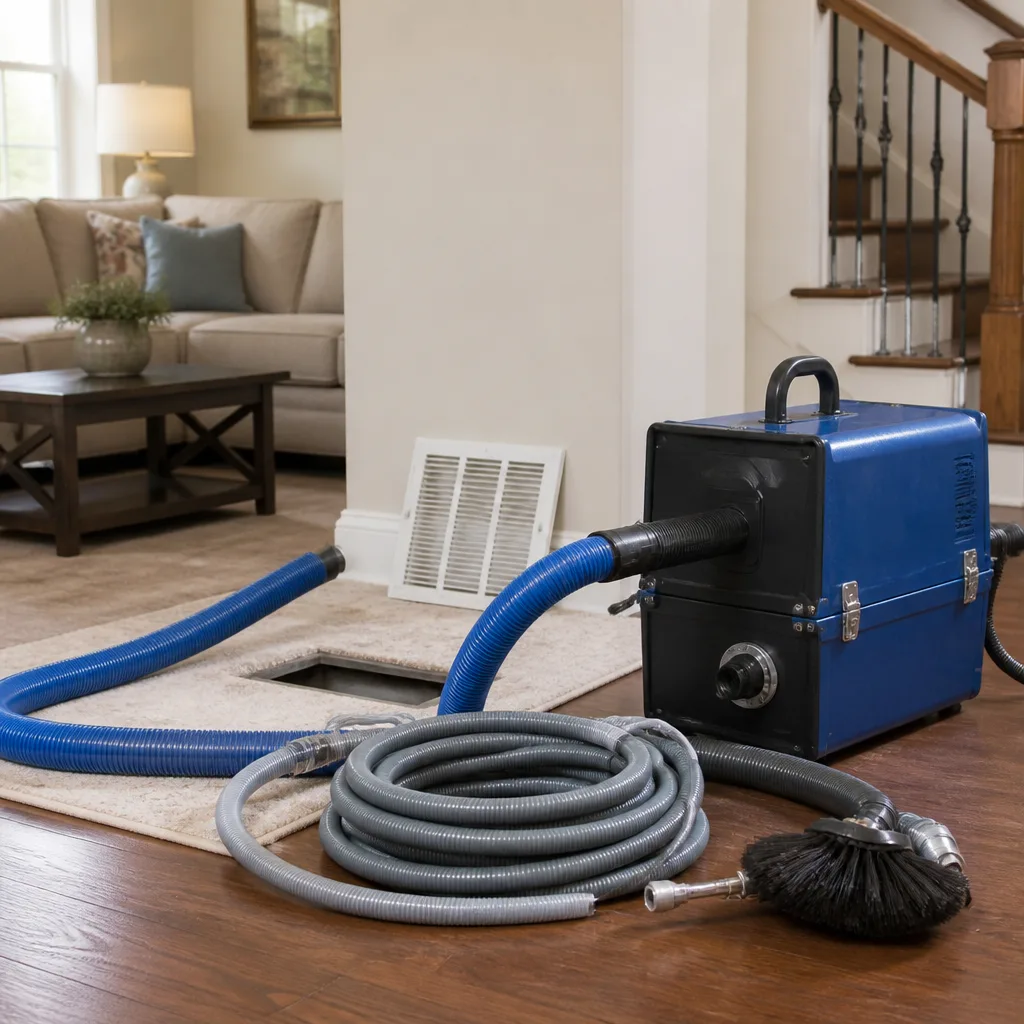 Whole-home duct cleaning
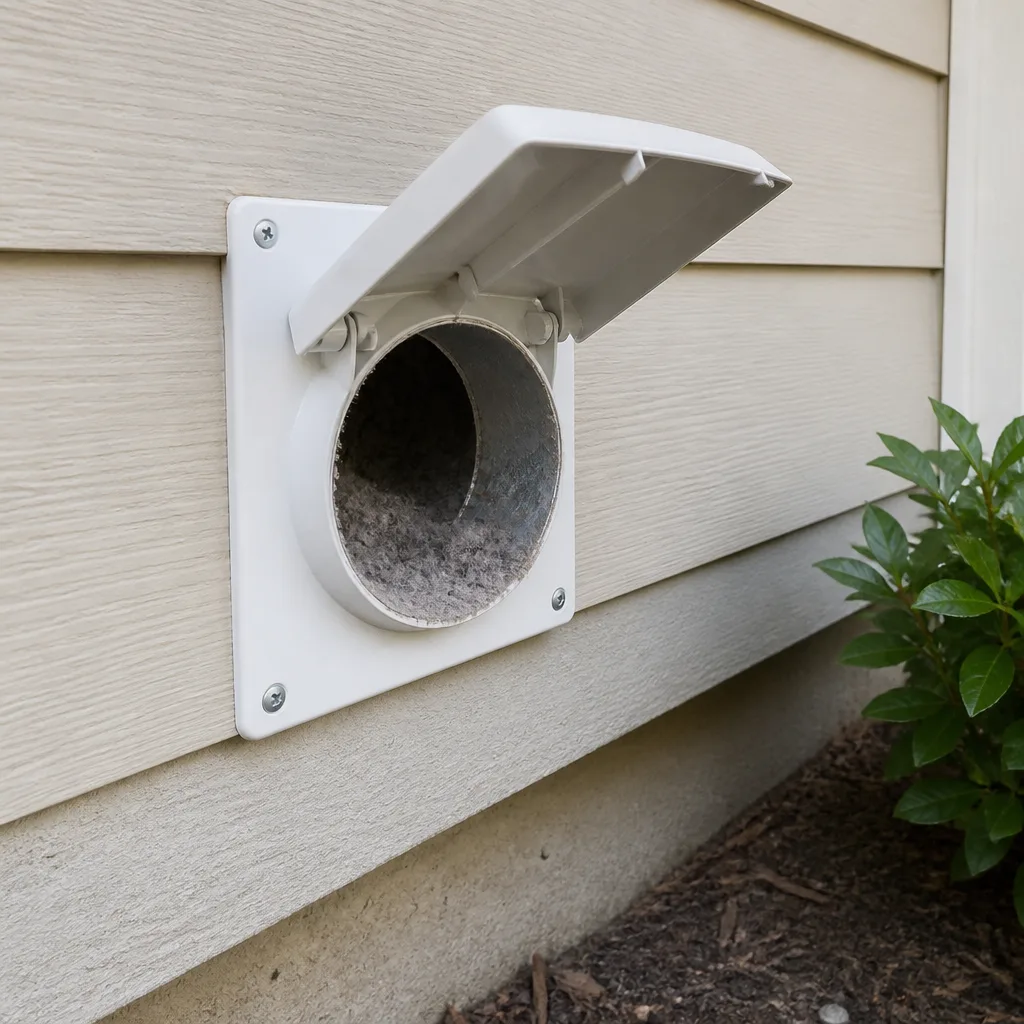 Dryer vent cleaning
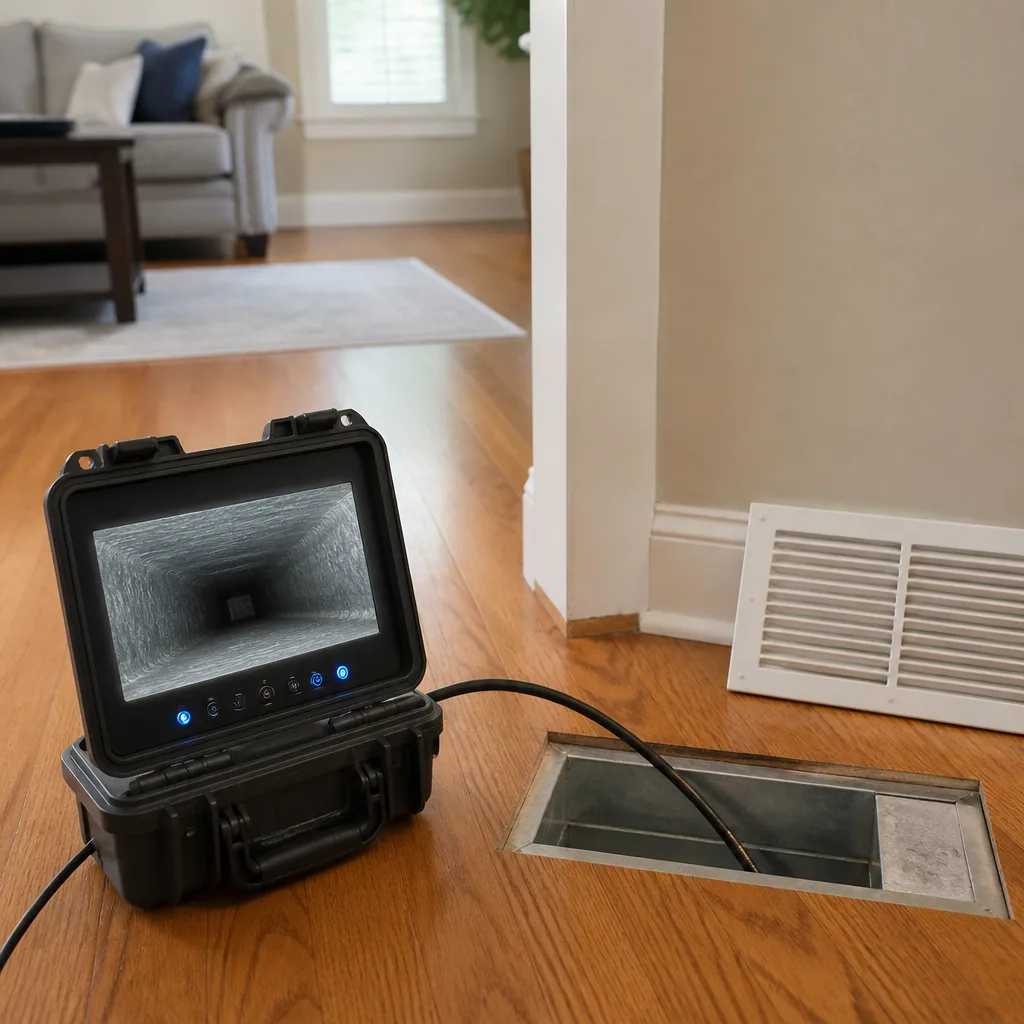 Camera inspection
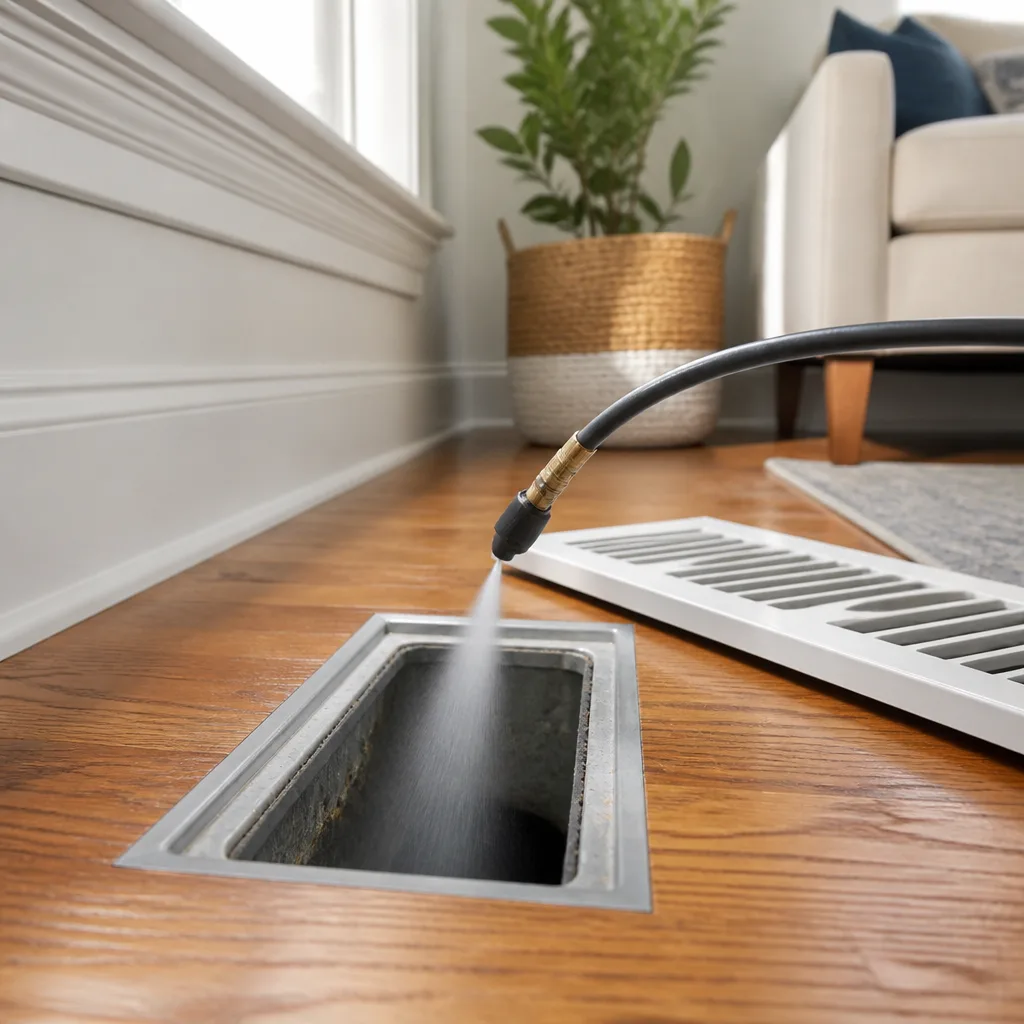 Sanitizing & deodorizing
Whole-system duct and dryer vent check with before-and-after photos - you see exactly what came out of your vents
That "$99 whole-house special" is a bait ad - the real number appears once they are in your hallway, or the "clean" is a shop-vac at the register. We photograph the inside of your ducts before and after instead.
Choosing the Right Air Duct Cleaning Brand: A Buyer’s Guide for Bluffview
Most homeowners who hire a duct cleaner never actually see the equipment that does the work. That’s the problem. A crew shows up with something that looks like a beefed-up shop vacuum, runs it through a few registers, and hands over an invoice. You have no way to judge whether the machine in your hallway was capable of pulling debris off the walls of a supply trunk or simply stirred it around. Equipment brand selection is the single clearest signal that separates a professional operation from a low-bid generalist, and in Bluffview most buyers don’t know what to look for. This guide changes that. You’ll learn the four equipment categories every real system requires, the brands that matter in each, and the exact questions to ask before you agree to service.
Quick Answer
A serious air duct cleaning operation in Bluffview needs four equipment categories working together: a negative air machine that puts the duct system under vacuum, an agitation device that loosens debris from duct walls, an inspection camera that documents the before-and-after condition, and containment tools that keep the living space clean. Equipment brands like Rotobrush, Nikro, and Abatement Technologies signal a company that has invested in the capability to do the full job rather than just show up. Ask to see the equipment and hear how each piece works before you book. An operator who can explain their tools in plain terms is one who understands what they’re doing.
Styles & brands we work with
- Whole-home duct cleaning
- Dryer vent cleaning
- Camera inspection
- Sanitizing & deodorizing
Table of Contents
- The Four Equipment Categories Every Professional System Requires
- Leading Equipment Brands by Category and What Distinguishes Them
- Truck-Mounted Systems vs. Portable Units: Which Fits Your Bluffview Home?
- How to Ask a Contractor to Show and Explain Their Equipment
- What Equipment Brands Tell You About a Company’s Investment Level
- Inspection Cameras and Why Documentation Matters
- Beyond Cleaning: Repair, Sealing, and Sanitizing Capability
- Common Mistakes to Avoid
- When to Call a Professional
The Four Equipment Categories Every Professional System Requires
A complete duct cleaning system is not one machine. It’s a set of tools that each do a different job, and the job doesn’t get done properly if any piece is missing. When we walk a Bluffview homeowner through what a real system looks like, we point to four categories, and we explain what happens to your air quality when a contractor shows up without one of them.
1. Negative air machines. This is the vacuum that puts the entire duct system under negative pressure, meaning air is being pulled into the ducts rather than pushed out into the room. Without negative pressure, every time the agitation tool hits a duct wall, the loosened debris has nowhere to go but into your living room. Abatement Technologies and Nikro are the names most often associated with this category at the professional level.
2. Agitation devices. A vacuum alone doesn’t fully detach caked-on dust, pet hair, and construction debris from duct walls. Rotobrush and similar rotary brush systems whip the walls loose, and compressed-air tools or whips reach the corners and turns that a brush can’t touch. The agitation step is where the actual cleaning happens; the vacuum is what captures the result.
3. Inspection cameras. You can’t clean what you can’t see, and neither can the technician. A proper inspection camera lets the tech look inside the trunks and branches before work starts, confirm what’s actually there, and show you afterward whether it’s gone. Camera footage is also the single most reliable proof you’ll get that the work was done.
4. Containment tools. Negative air is not the same as clean living space. Floor protection, register covers, and careful hosing keep dust from settling on your furniture and flooring during the job. Small detail, big difference in how the job feels from inside your home.
If a Bluffview contractor can’t clearly describe all four categories and show you the equipment for each, that’s a signal worth taking seriously. A missing agitation tool or inspection camera is not a small shortcut. It means part of the work can’t be done.
Leading Equipment Brands by Category and What Distinguishes Them
Brand names alone don’t guarantee a good job, but they do tell you something about how seriously a company treats the work. Here’s what each of the leading names in this trade is known for, and what it means when you see it in a Bluffview home.
- Rotobrush is best known for rotary brush agitation systems built specifically for residential duct cleaning. The equipment is designed for the size and configuration of typical home ductwork, which matters in Bluffview homes that tend to have flexible round duct runs feeding registers throughout the house. When you see Rotobrush equipment, you’re looking at a company that invested in purpose-built residential tools rather than adapting a shop vacuum.
- Nikro is a name often associated with HEPA-filtered negative air machines and industrial vacuums. Negative air machines built around HEPA filtration are the tools that make containment possible, because they capture fine particulate before it gets back into the air. A Nikro-class machine is not the same as a consumer-grade vacuum, and the difference shows up in the air quality after the job.
- Abatement Technologies produces air scrubbers, HEPA filtration units, and professional negative air equipment widely used in indoor air quality work. Their equipment is often found in the same vans as hospital-grade air handling tools, which tells you something about the operator’s priorities.
- Viper equipment shows up in rotary agitation and ventilation work. Its presence is another marker of a company that has shopped the professional side of the market rather than the consumer side.
None of these brands will clean a duct by themselves. What they tell you is that a company invested in the right tools. In our work across Bluffview, we’ve seen how much a job’s quality tracks with equipment choice, and how poorly the jobs go when a low-overhead operator is working with something that was never built for the task. The right tools make the work possible. The wrong tools make it look like work.
Truck-Mounted Systems vs. Portable Units: Which Fits Your Bluffview Home?
For most residential jobs in Bluffview, a truck-mounted system with a long hose run is the more capable setup because it generates significantly stronger and steadier negative pressure than a portable unit. But it’s not a blanket rule, and knowing when each setup makes sense will help you judge whether a contractor is offering you the right tool for your specific home.
Truck-mounted systems win on suction power and steadiness. A portable unit has to carry both motor and collection canister into the home; a truck-mounted system anchors the heavy lifting outside, which means the vacuum can be larger and more powerful without shaking the house. On a typical single-family Bluffview home with a full duct system, a strong truck-mounted setup usually delivers better results on the main trunks than a portable.
Where portables are appropriate:
- Tight access situations where a long hose run from the truck isn’t practical
- Homes with complex or unusual layout where a technician needs to be close to the work
- Smaller jobs where a full truck-mounted setup is overkill
- Jobs on upper floors or in specialized units where a hose run would be impractical
What matters is not whether the truck is on the street. What matters is whether the machine being used is capable of putting the whole duct system under negative pressure, whether it’s HEPA-filtered, and whether the technician can explain how the setup applies to your home. Portable equipment used carefully is a fine choice; portable equipment used as a cover for “we couldn’t be bothered to run the hose” is not.
When you get an estimate for air duct cleaning, ask which setup is planned and why. A contractor who answers clearly is one who has thought about your home. One who mumbles through it is one who’s probably working with the wrong equipment.
How to Ask a Contractor to Show and Explain Their Equipment
You don’t need to become an equipment expert. You need to ask four or five direct questions, watch how the contractor answers, and pay attention to whether they can put the tools in front of you. Here’s the sequence we suggest for any Bluffview homeowner evaluating a duct cleaning company.
- Ask what negative air machine they’ll use and whether it’s HEPA filtered. A professional should be able to name it. If they can’t name it, that’s information. If it’s not HEPA filtered, ask how they contain fine particulate.
- Ask how they agitate the duct walls. The answer should be specific: a rotary brush system, compressed air whips, or both. “We vacuum it out” is not an answer to this question.
- Ask whether they run an inspection camera before and after. The answer should be yes, with footage you can see. A company that skips the camera is asking you to take their word for it.
- Ask what containment they’ll use inside the house. Floor protection, register covers, hosing, and any air scrubbing in the living space. A serious operator has a plan for this.
- Ask to see the equipment. Before work begins, before you sign anything. A professional will happily walk you out to the setup and explain what each piece does. That’s not a test – it’s a normal conversation for a company that takes its tools seriously.
You’ll notice these questions aren’t about price. Price comes after you know the work is going to be done properly. In our experience across Bluffview, the walkthrough conversation itself is often the clearest single signal of whether a company is capable. An operator who lights up when you ask about equipment is one who cares about the work. An operator who brushes the questions off is telling you something else entirely.
Related work like HVAC cleaning and dryer vent cleaning calls for the same questions. Dryer vent work in particular depends heavily on the right agitation and vacuum tools, because lint packs against the walls of the run and doesn’t always come out with suction alone.
What Equipment Brands Tell You About a Company’s Investment Level
Professional duct cleaning equipment is a real capital investment. A rotary brush system, a HEPA-filtered negative air machine, and an inspection camera with the reach to hit the deep trunk runs of a Bluffview house represent a substantial outlay compared to a shop vacuum and a wand. When a contractor shows up with the professional kit, you’re seeing the downstream result of that investment. When they show up with something you could have bought at a hardware store, you’re seeing something else.
Let’s be precise about what this signal indicates and what it doesn’t.
What strong equipment signals:
- The company has decided that the work itself, not just the customer acquisition, is worth investing in
- The company intends to make cleaning a repeatable process rather than a one-off flyer job
- The company understands the four equipment categories and has purchased for all four
- The company has a plan for the messy parts of the work, because the tools for those parts exist
What strong equipment doesn’t signal:
- That the technician using the equipment is skilled. Tools don’t run themselves. That’s why the walkthrough conversation matters.
- That the price will be high. Equipment level and price level don’t map cleanly; you can find professional setups in every pricing tier.
- That the company won’t make mistakes. But it does signal a reduced likelihood of the most common ones, like incomplete cleaning or containment failures.
What you’re looking for in Bluffview is alignment between the equipment, the process, and the conversation. A company using professional equipment, following a clear process, and talking you through all of it in plain language is showing you the full picture. A company with half of that is showing you a partial. The low-bid operator with a flyer and a shop vac is showing you what investment level they’ve decided the work is worth.
Inspection Cameras and Why Documentation Matters
The single piece of equipment most often left out of a residential job is the inspection camera, and it happens to be the one that would have proven the work was done. A camera gives the technician a starting map of what’s actually in the ducts. More importantly, it lets the technician show you a before-and-after, and that comparison is what converts a vague “trust us” into something you can see for yourself.
Here’s how a professional inspection routine looks in a Bluffview home:
- The technician runs the camera through the main trunk lines and several branch runs to map the debris load and identify any damaged sections.
- The footage is reviewed with you – what was found, where it is, and what the cleaning plan is for each area.
- After cleaning, the camera runs the same routes again so you can see the difference.
- Any duct damage spotted during the inspection gets flagged for sealing or repair, because cleaning a leaking duct just means the dust comes back sooner.
In warm months, dust and pollen don’t disappear from Bluffview outdoor air; they cycle into the return side of your HVAC system along with everything else the filter can’t trap. Construction or renovation work adds a heavier load. The camera is what confirms your cleaning removed what came in. Without it, you’re working on “the machine made noise in my house for an hour, so I guess it worked.”
Beyond Cleaning: Repair, Sealing, and Sanitizing Capability
Cleaning is where most duct companies stop. That works if your duct system is intact and the only issue is accumulation. It doesn’t work when you’re dealing with musty odors, recurring dust shortly after a cleaning, or a home inspection that flagged leaking joints. In those cases a full-system approach matters more than a single-service clean, and equipment selection is what makes the extra services possible.
Three capabilities to look for beyond basic cleaning:
- Repair and sealing. Damaged duct runs, disconnected joints, and poorly sealed trunk lines are common in any Bluffview home older than a decade or two. A company that can’t repair and seal duct work is one that will clean a leaky system and leave the contamination pathway open.
- Air quality and sanitizing treatment. Debris removal gets the physical load out; sanitizing treatment targets microbial and allergen concerns at the source. This is where equipment like air scrubbers and treatment product lines like Guardsman come in, and where familiarity with residential air quality systems makes a difference.
- Familiarity with HVAC-side air management. In our work we deal with Honeywell and Aprilaire systems regularly. A company comfortable with those brands can usually get your ducts, filtration, and HVAC working together rather than treating each as a separate job.
Under one roof, that means full-system coverage of the indoor air pathway – the ducts themselves, the HVAC cleaning side, the dryer vent, treatment, and repair. It’s the difference between a duct cleaner and an indoor air quality specialist. Both are real categories of company. Only one is prepared for the problems that typically come with a home inspection report.
Common Mistakes to Avoid
- Booking on price before asking about equipment. A quote of a couple hundred dollars for a “full duct cleaning” is a number worth questioning rather than acting on. Ask what equipment is used and whether an inspection camera is included; the answer will usually explain the price.
- Assuming a company without a camera can’t clean. They can clean some of what’s there. What they can’t do is show you. In a Bluffview home with active allergy concerns, that’s the difference between a job you can verify and a job you take on faith.
- Not walking out to see the setup. It takes three minutes to look at the truck and the equipment before work starts. Skipping that step is the most common way homeowners end up unsure afterward whether anything happened at all.
- Letting the contractor skip containment. A crew that doesn’t protect flooring, cover registers, and manage negative pressure inside the house can leave dust on your furniture in the process of cleaning your ducts. Look for the containment conversation.
- Assuming every duct cleaning is the same service. Cleaning removes debris; repair and sealing fix the pathways; sanitizing treatment addresses biological concerns. If you hire a company equipped for one of these and need all three, you’ll be paying for a second callout.
- Ignoring dryer vent cleaning as a separate job. Bluffview homes with longer dryer vent runs need that work done independently of duct cleaning. The equipment the technician brings matters here too, and the right tools make the difference between a clear vent and a partial one.
- Not getting a written estimate that describes equipment and scope. A written estimate should say what’s being cleaned, whether an inspection camera is included, and what treatment or repair is being proposed. Verbal-only estimates hide the details that matter.
When to Call a Professional
If you’ve recently finished a renovation or had drywall dust in the air, you have a duct cleaning job that needs the right equipment, not just a quick pass. Visible dust blowing from registers when the HVAC kicks on, a persistent musty smell in any room after the heating or cooling has been running, or a home inspection that flagged your duct system are all situations where the equipment matters. So is a dryer that’s taking longer to dry clothes – that’s the dryer vent side, and the same standard applies. If you or someone in your home has been dealing with allergies or respiratory irritation that seems tied to the air indoors, full-system cleaning with proper containment is worth discussing. Air Duct Cleaning Bluffview offers free estimates in Bluffview – call (855) 337-1683. Our technicians have up to 12 years of experience, and we’ll walk you through the equipment and the plan before anything gets scheduled. We answer 24/7. Fast dispatch from 7am to 7pm, Sunday through Friday.
See the difference
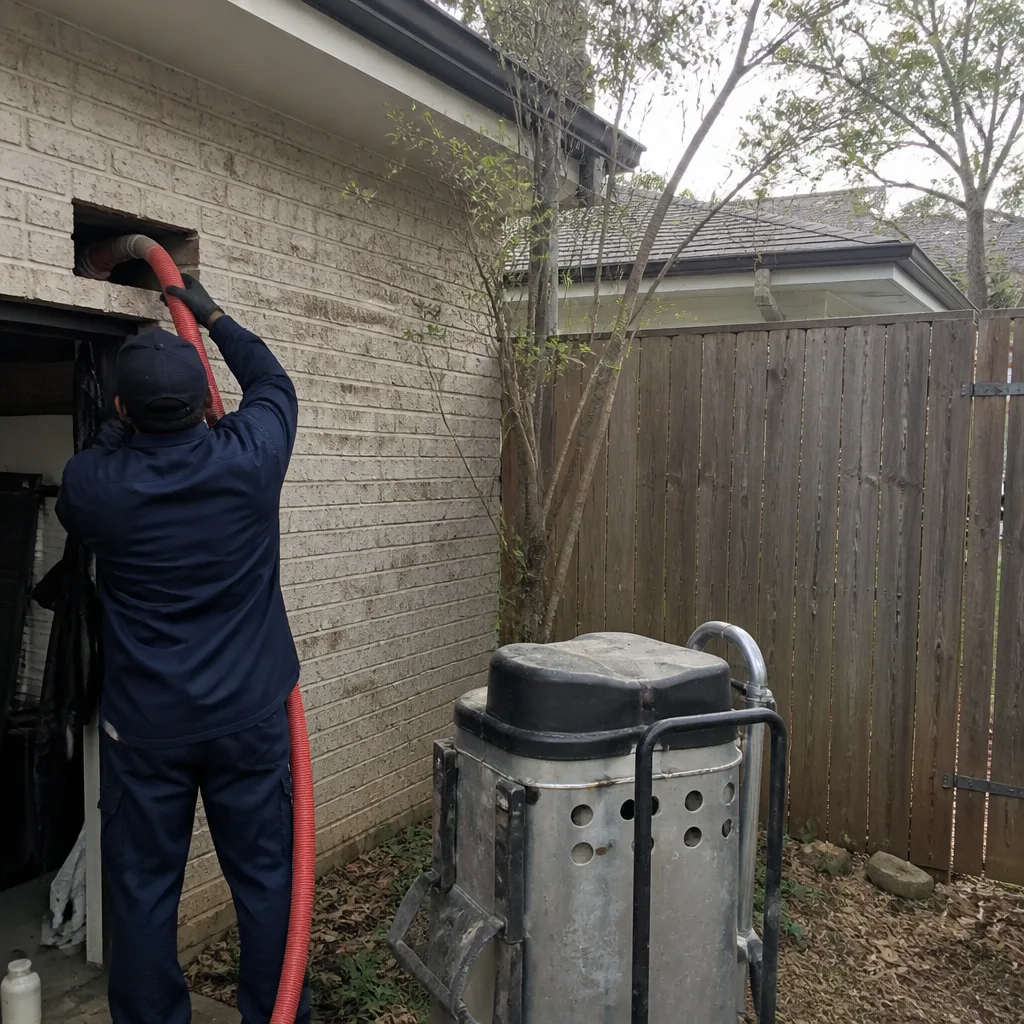 Before
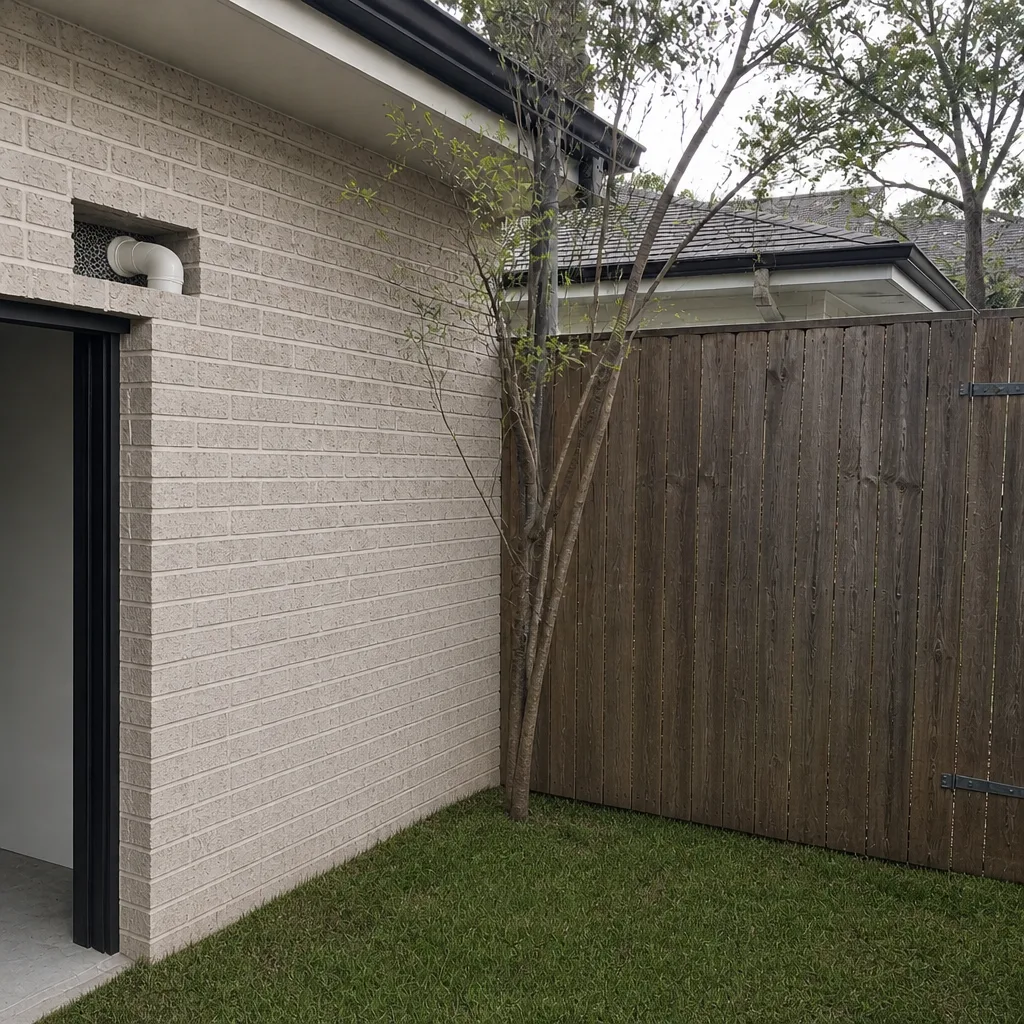 After
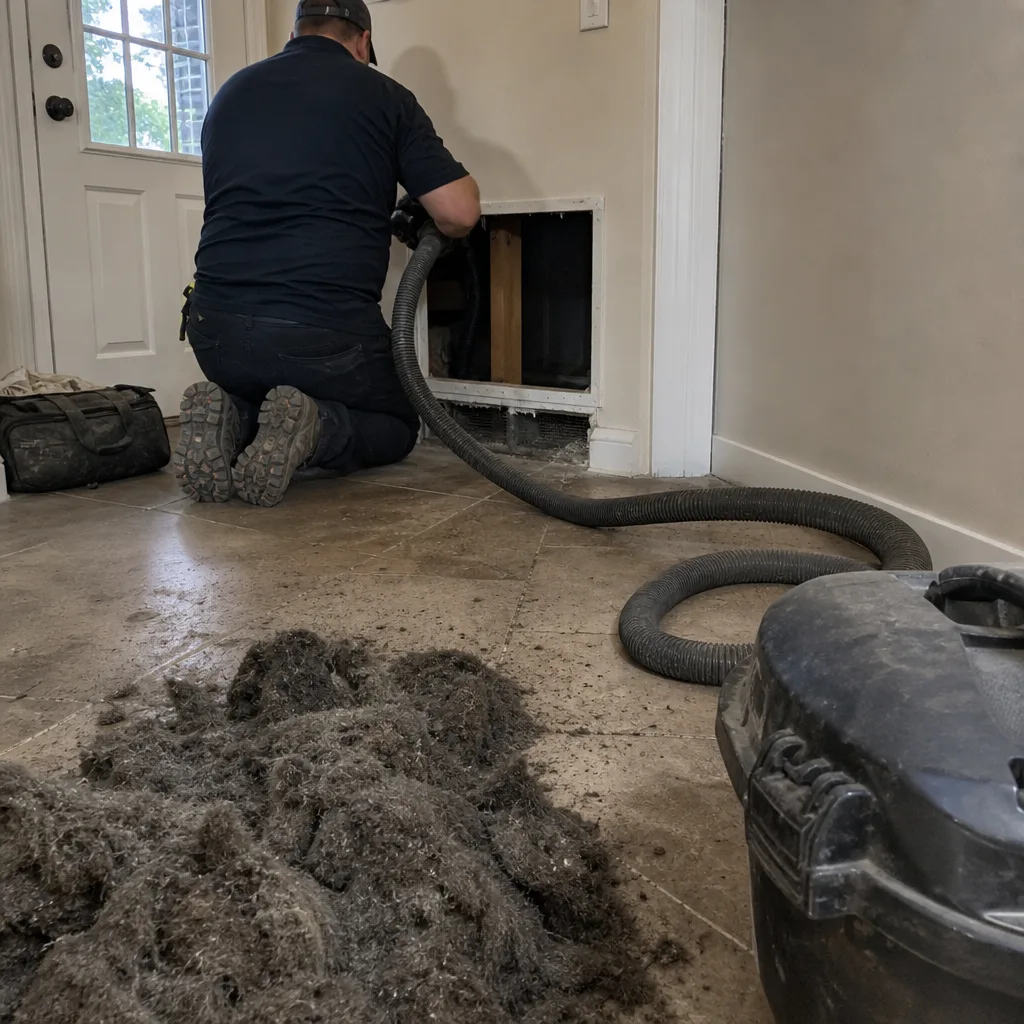 Before
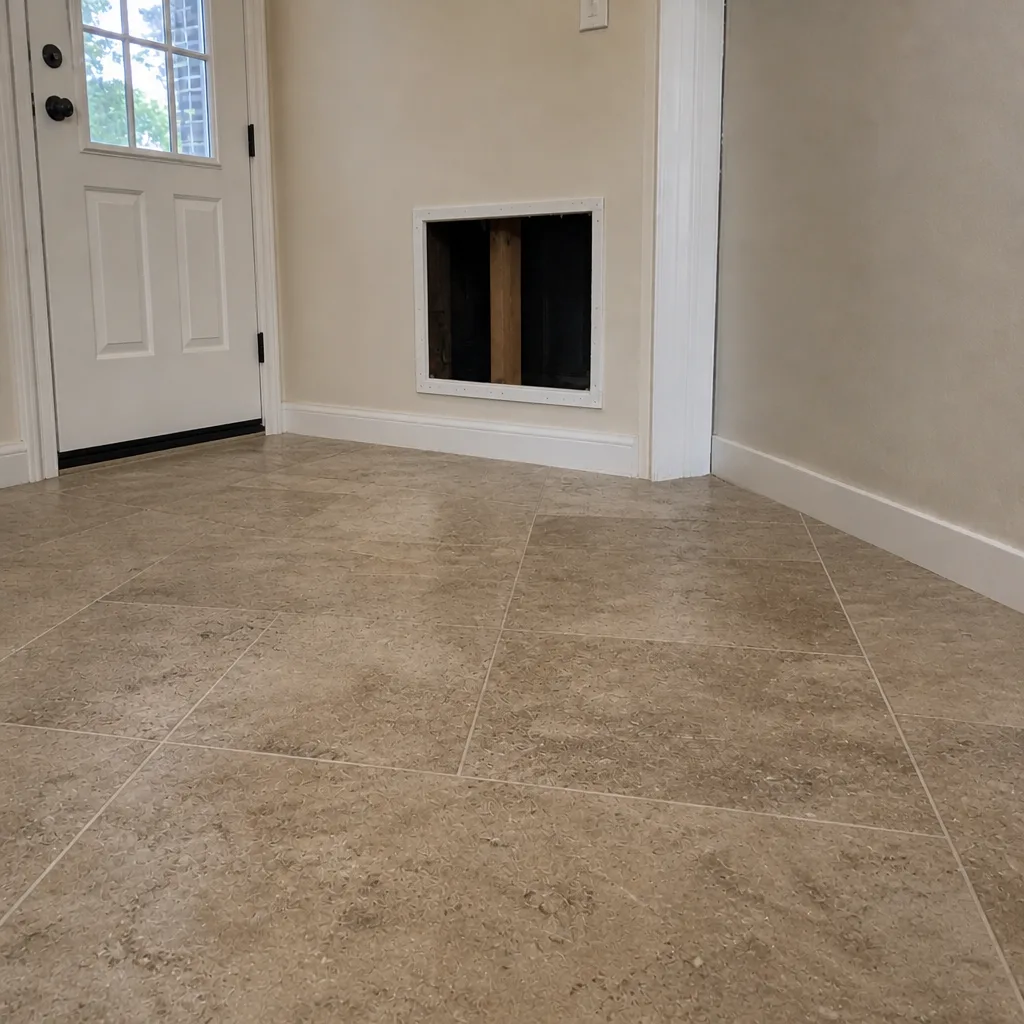 After
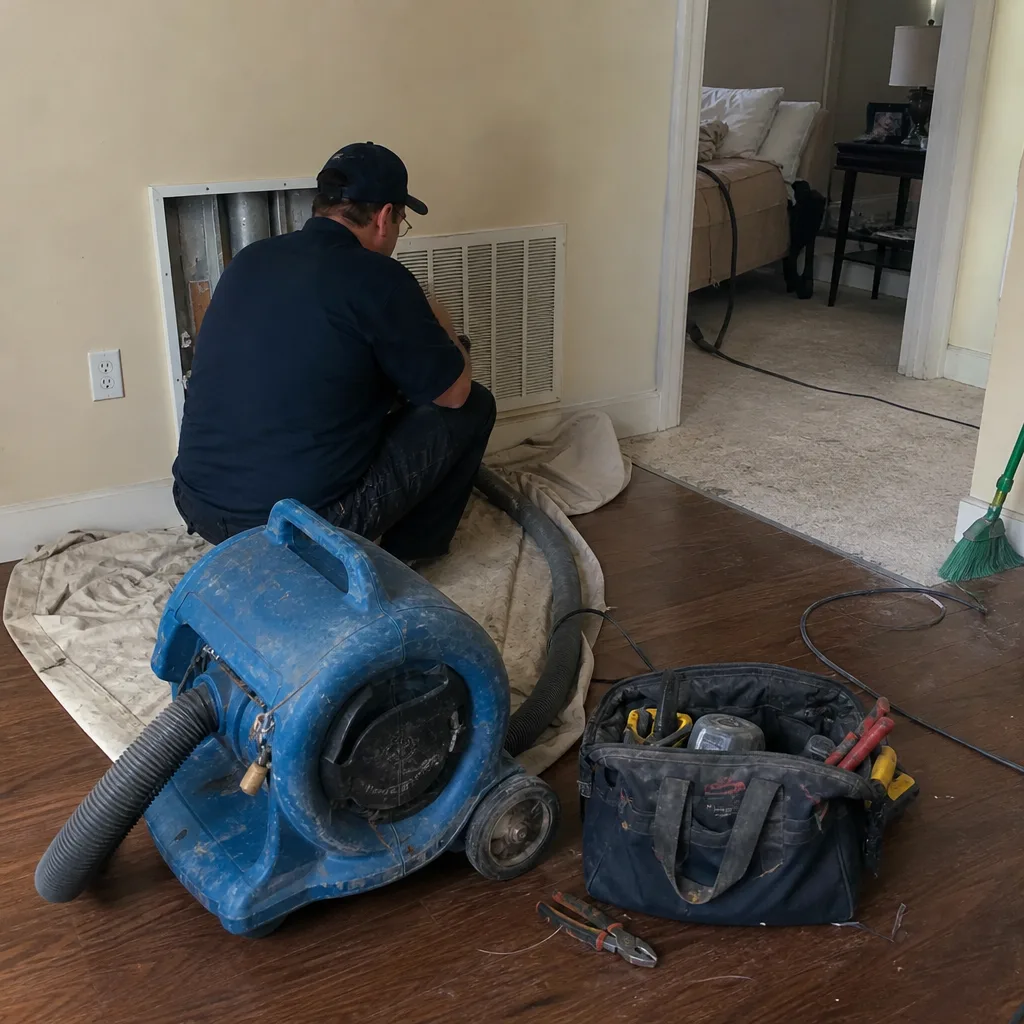 Before
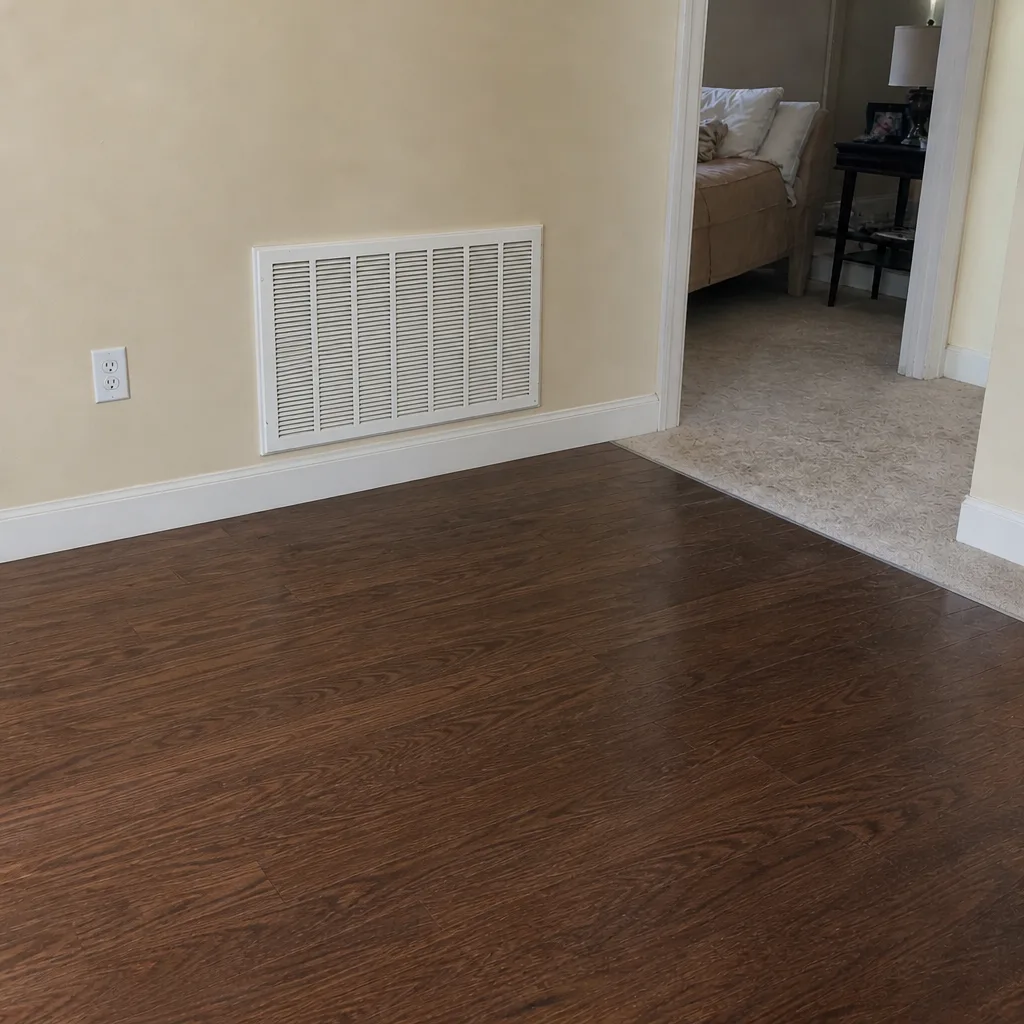 After
Frequently Asked Questions
Duct cleaning in Bluffview is priced per job based on the size of the home and the number of duct runs, so a written estimate is the only reliable way to know what you’ll pay. The number should cover the whole system, not a per-vent figure or a teaser price that grows once the technician is on site. Call (855) 337-1683 for an exact quote – estimates are free.
Cheaper quotes usually reflect either a smaller scope of work or a lighter equipment set, and both show up on the invoice as a lower number. A company that shows up with a consumer vacuum, skips the inspection camera, and doesn’t include containment in the process can afford to quote lower. The low price and the reduced scope are the same fact. Ask what’s covered and what equipment is used, then compare. Call (855) 337-1683 to hear what a full-system estimate looks like.
Inspection camera footage is the answer: before-and-after video of the duct interior is the one direct proof of the job, and a serious operator should offer it as part of the visit. Ask to see the footage before and after the work. Without a camera, you’re relying on a technician’s word, which is a real gap. Call (855) 337-1683 to book an estimate with that included.
For most Bluffview homes, a full cleaning every three to five years is a reasonable baseline, with more frequent visits after major renovations or if you have pets or allergy concerns. Homes with heavy seasonal pollen intake may benefit from a shorter interval. A technician can assess your duct system on a first visit and suggest a realistic schedule for your house. Call (855) 337-1683 for a free estimate.
Professional duct cleaning uses equipment from brands like Rotobrush for agitation, Nikro or Abatement Technologies for negative air, and comparable brands for cameras and containment. Those names indicate a contractor has invested in the professional side of the market rather than the consumer side. Ask to see the equipment – a serious operator will happily show you. Call (855) 337-1683 for a free estimate.
Yes – you’ll want to be there for the inspection footage walkthrough and the setup review so you can see the equipment and hear what’s being done. Most Bluffview homes are cleaned in a single visit, so the time commitment is limited. Call (855) 337-1683 and we’ll talk through what the day looks like for your home.
The Bottom Line
Equipment brand selection is the fastest read you’ll get on whether a duct cleaning company has decided the work is worth doing properly. Rotobrush agitation, Nikro or Abatement Technologies negative air, an inspection camera that gives you footage you can see, and containment tools that keep the living space clean – those four categories are the foundation. Ask to see the setup, ask how each piece works, and ask whether a written estimate covers the whole system. If a company can walk you through all of that clearly, you’ve found a professional operator. If not, you’ve learned something valuable before any money changed hands. Air Duct Cleaning Bluffview connects Bluffview homeowners with vetted local professionals, and we’re glad to help you evaluate any estimate – Air Duct Cleaning Bluffview.
Call (855) 337-1683 for a free estimate. We answer 24/7. Fast dispatch from 7am to 7pm, Sunday through Friday.
Written by the team at Air Duct Cleaning Bluffview.