
Last updated November 23, 2026
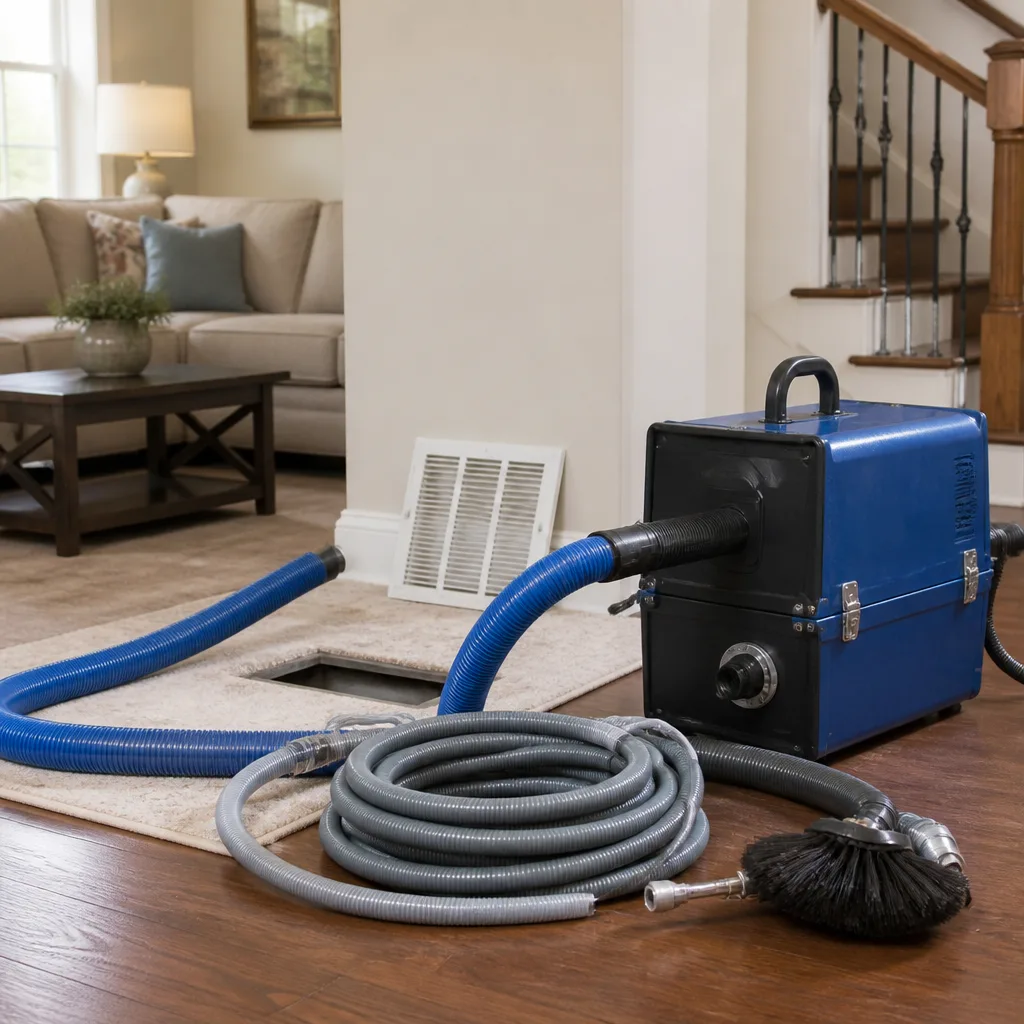 Whole-home duct cleaning
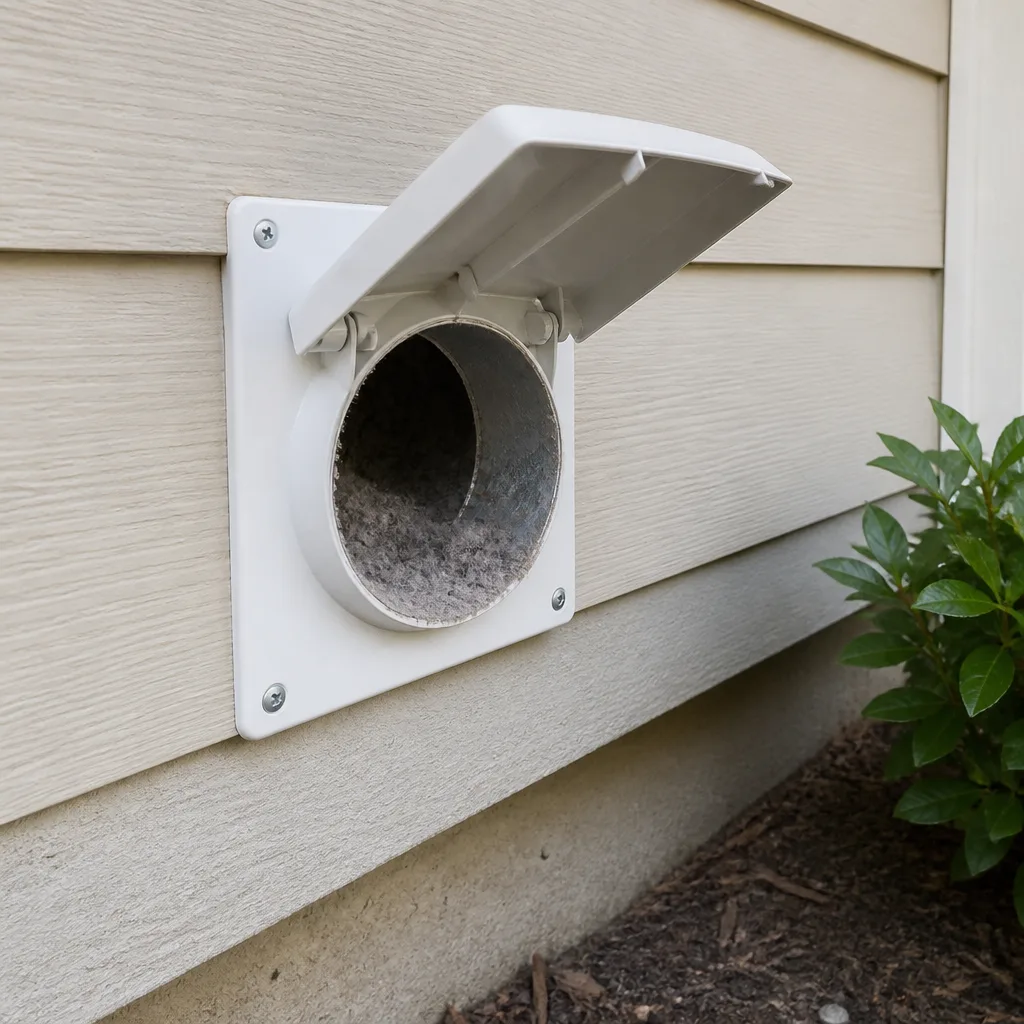 Dryer vent cleaning
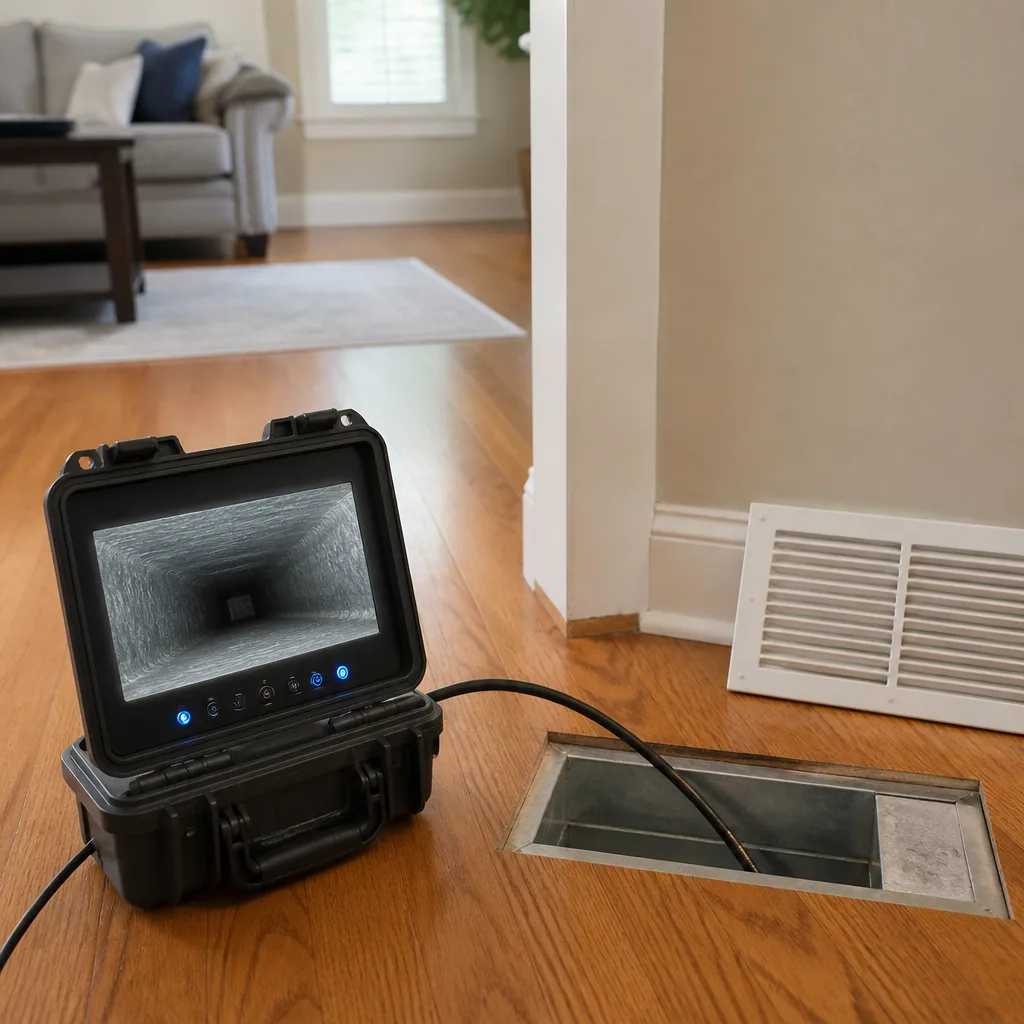 Camera inspection
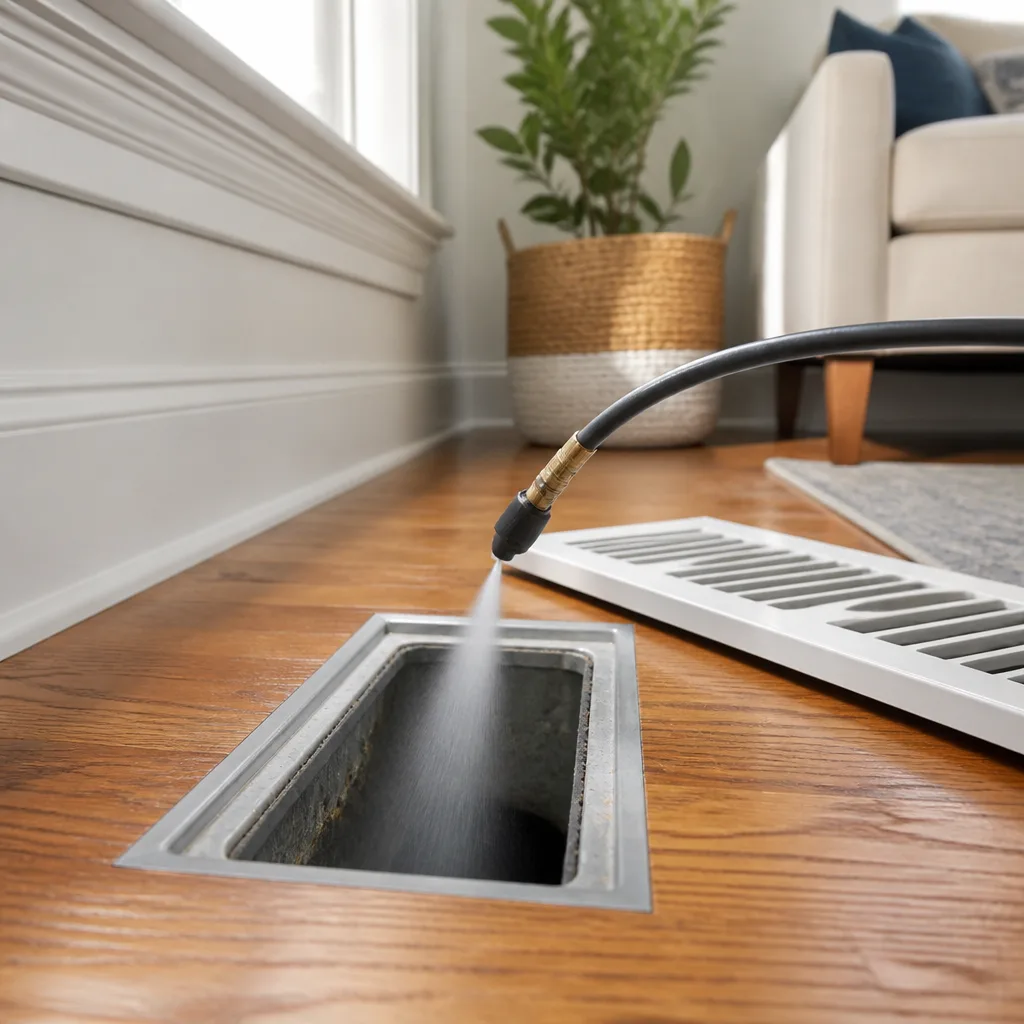 Sanitizing & deodorizing
Whole-system duct and dryer vent check with before-and-after photos - you see exactly what came out of your vents
That "$99 whole-house special" is a bait ad - the real number appears once they are in your hallway, or the "clean" is a shop-vac at the register. We photograph the inside of your ducts before and after instead.
Air Duct Cleaning Emergency Preparedness Guide for Bluffview Homes
The instinct after a house fire, a burst supply line, or a gut renovation is to open the windows and switch the system back on to “clear the air.” That single move is often the worst thing a Bluffview homeowner can do. A duct system is a closed loop of several hundred feet of insulated pipe running through walls, ceilings, and the attic. When you restart it with contaminated ducts, you don’t air the house out. You pressurize that loop and push smoke particles, settled mold spores, or construction silica into every bedroom, closet, and living space at once. This guide walks through the three post-emergency scenarios that demand immediate duct response, how to document damage for an insurance adjuster, what to ask a contractor before letting them touch the system, and where routine cleaning ends and emergency protocol begins.
Quick Answer
After a fire, flood, or major renovation in Bluffview, air duct cleaning must be treated as a contamination-control job, not routine maintenance. Keep the HVAC system switched off until the ducts are inspected and cleaned, document the system’s condition with photos and moisture readings before any work starts, and hire a contractor who can speak to post-emergency experience, PPE, and disposal protocols. Standard duct cleaning will not remove settled smoke residue, mold growth from water intrusion, or fine construction dust from a compromised system.
Styles & brands we work with
- Whole-home duct cleaning
- Dryer vent cleaning
- Camera inspection
- Sanitizing & deodorizing
Table of Contents
- The three post-emergency scenarios that require immediate duct system response
- Why standard cleaning protocols fail after water intrusion
- How to document duct system condition for your insurance claim
- HVAC lockout procedures for the first 24 to 48 hours
- What to ask a contractor about post-emergency experience
- The equipment, PPE, and disposal protocols that change the job
- Renovation dust: the slow-motion emergency in Bluffview homes
- Readiness steps before the next emergency hits
The three post-emergency scenarios that require immediate duct system response
Most homeowners assume a duct system either works or it doesn’t. After a serious emergency, the question is different: is the system carrying the residue of that emergency into every room? Three scenarios consistently call for professional intervention in Bluffview, and each one has its own contamination signature.
1. Fire and smoke. Smoke is not a gas that dissipates cleanly. It is a mix of fine particulates, charred material, and combustion byproducts that adhere to duct walls, especially the insulated interior of flex duct, which has a rough surface that traps residue. Smoke residue also carries odor compounds that a light cleaning won’t dislodge. Soot migrates into the return side first, then distributes through the supply side. If the fire was contained to one room, that does not mean the duct system is clean. Pressurized air moves residue wherever the ducts run.
2. Water intrusion. This is the scenario most often misdiagnosed as a “let it dry out” problem. Water that has entered the duct system or saturated insulation creates conditions for mold growth that begins within hours. Ducts run through unconditioned attic space in most Bluffview homes, and that attic space will keep the system damp long after the visible water is gone. Cleaning a damp duct system spreads spores rather than removing them. Moisture mapping and mold testing come first, then cleaning, then verification.
3. Major interior renovation. Demolition, drywall sanding, and cut lumber produce fine silica and cellulose dust that bypasses any plastic sheeting your contractor hung. The HVAC system runs during the job, pulling dust into the return and depositing it in the supply branches. This dust is finer than what routine cleaning targets, and it settles in ways that surface wiping cannot reach.
All three of these scenarios share one principle. The system has become a distribution channel for whatever entered the home during the event. The fix is a protocol, not a once-over.
Why standard cleaning protocols fail after water intrusion
Routine air duct cleaning is designed for accumulated household dust and debris. It uses negative pressure, rotary agitation, and a HEPA-filtered vacuum to dislodge and capture settled material. That works well for a home that’s been breathing normally. After water intrusion, the job is fundamentally different in three ways.
First, mold testing must happen before cleaning, not after. If a cleaning crew disturbs spores without first confirming the extent of the growth, the result is a contaminated space and an unverified remediation. A professional mold assessment establishes the baseline. Cleaning without that baseline leaves the homeowner with no way to prove the job was done correctly.
Second, moisture mapping determines what can be cleaned and what must be replaced. Wet insulation inside flex duct doesn’t dry. It has to be removed. Rigid duct that has held moisture has to be assessed for mold growth on interior surfaces. Portions of a duct system that fail inspection must be cut out, sealed off, and reinsulated before cleaning. Cleaning a wet duct is wasted labor.
Third, drying has to happen in the right sequence. If the duct system is cleaned while the structure is still releasing moisture, the ducts recontaminate within days. In our experience, the correct order is: stop the water, dry the structure, test for mold, replace compromised duct sections, then clean the remaining system with the right equipment and sanitize it afterward.
This is why Duct Repair & Sealing sits alongside cleaning in our service lineup. Sealing the seams and penetrations that let moisture in is what keeps a water intrusion from turning into a chronic problem in a Bluffview home.
How to document duct system condition for your insurance claim
Insurance adjusters process claims based on evidence. They don’t write checks for what a homeowner remembers or describes. For duct system damage, the record you build in the first days after an emergency determines whether the cleaning is covered at all, and at what level.
Follow these steps in order, before any cleaning work begins.
- Photograph everything before anything is moved. Take wide shots of each room, then close-ups of any visible smoke staining, water lines, or dust coatings. Photograph the return registers and supply registers. Photograph the air handler and the inside of the filter compartment.
- Save the filter. Don’t throw away the HVAC filter. The filter holds evidence of what passed through the system and when. Bag it and date the bag.
- Request a written condition report. A professional assessment should document which portions of the duct system are compromised, what kind of contamination is present (soot, moisture, mold, dust), and what the recommended scope of work is. The report should include photographs and moisture readings where relevant.
- Get the scope in writing. Any cleaning estimate you submit to an insurer should spell out cleaning method, sanitizing, repair or replacement of compromised sections, and verification. A one-line estimate invites a one-line denial.
- Keep receipts and test results. Mold testing reports, moisture readings, and any replaced materials all belong in the file. Paper trails win claims.
- Do the work in the right sequence. Emergency drying and mold remediation often need to be complete before duct cleaning is a covered line item. Doing them out of order can cost you the claim.
If your adjuster asks for a description of what the duct system carries, that’s a cue to bring in a qualified contractor with post-emergency experience. The Air Duct Cleaning Bluffview team can produce that documentation and walk the adjuster through the recommended work.
HVAC lockout procedures for the first 24 to 48 hours
The single most important action after a fire, flood, or heavy renovation is to shut the system down. Running the HVAC moves contamination through the home faster than it would settle on its own. Here is the sequence we recommend to Bluffview homeowners in the first day or two after an event.
- Turn the thermostat to OFF. Not cool. Not heat. Off. This stops both the blower and the condenser.
- Switch off the breaker to the air handler and outdoor unit. Thermostat “off” still leaves components energized. The breaker is the real lockout.
- Close supply and return registers. Loose registers or ones with damaged dampers should be covered with painter’s tape to block migration until the ducts are assessed.
- Photograph the thermostat and breaker before changes. Insurance files benefit from a visual record of when the system was shut down.
- Do not run fans that tie into the HVAC. Ceiling fans are fine. A whole-house fan or an ERV/HRV tied to the duct system is not.
- Leave the system off until an inspection confirms it’s clean. Premature restarts are one of the most common mistakes homeowners make after an event.
One exception: if a contractor is on site and needs air movement to dry the structure, they can use standalone air movers, not the central system. Standalone equipment doesn’t pull air through contaminated ducts.
For related work on the ventilation side of the system, see our HVAC cleaning service.
What to ask a contractor about post-emergency experience
Not every duct cleaning contractor is equipped for post-emergency work. A crew that does routine maintenance well may not have the equipment, training, or disposal protocols a fire or water intrusion job requires. These are the questions we suggest before signing anything.
- “What’s your water intrusion protocol?” If they answer with “we clean and sanitize,” press them on whether they perform moisture mapping and mold testing first. The correct answer includes a pre-cleaning assessment.
- “How do you handle smoke residue specifically?” Smoke isn’t dust. It requires chemical treatment as well as mechanical removal. Products like Guardsman-line treatments are part of proper smoke remediation.
- “What PPE does your crew wear on a post-fire job?” Respirators, coveralls, gloves, and eye protection are baseline. If they don’t know or won’t say, that’s your answer.
- “How do you dispose of removed material?” Contaminated duct sections and captured soot are not standard trash. Ask how they’re bagged and removed from the property.
- “Do you document condition before you start cleaning?” This is essential for insurance. A contractor who skips documentation costs you the claim.
- “What equipment do you bring?” Post-emergency cleaning demands a HEPA-filtered negative-pressure system, rotary agitation tools, and containment procedures. Professional-grade Rotobrush and Nikro equipment are what separate a real emergency job from a shop-vac crew with a truck-mounted vacuum.
- “Can you repair compromised sections?” A contractor who only cleans cannot fix what’s damaged. Repair and sealing must be part of the same scope.
For the ventilation-related side of duct emergencies – specifically the risk of a blocked dryer vent after a renovation or fire – our dryer vent cleaning service covers that system as well.
The equipment, PPE, and disposal protocols that change the job
The difference between routine cleaning and post-emergency cleaning shows up first in what the crew brings through the door. Routine work uses standard agitation tools and a vacuum system sized for household dust. Post-emergency work uses equipment built for fine particulates, microbial contamination, and chemical residue.
Here is what real post-emergency capability looks like in practice.
- Rotobrush and Nikro systems. Professional-grade rotary agitation and HEPA-filtration systems that can capture fine soot and construction dust reliably. Consumer-grade tools don’t have the seal or filtration to do this safely.
- HEPA-filtered negative pressure. The cleaning setup must pull air out of the duct system and trap it in a HEPA filter, not exhaust it into the room. Abatement Technologies is a name we rely on for containment-grade filtration.
- Full PPE. Respirators rated for fine particulates, disposable coveralls, nitrile gloves, and eye protection on every crew member. Smoke and mold work is exposure work.
- Containment bagging. Removed duct sections, used filters, and captured material get bagged on site and removed without re-releasing particles into the home.
- Sanitizing products. After mechanical removal, sanitizing targets microbial growth and odor-causing residue. Guardsman-line products are part of our standard treatment phase, and Air Quality & Sanitizing service is designed to reach the source, not just the visible surface.
- Verification. Post-job photographs of the cleaned duct interior and any replaced sections. Before-and-after documentation matters both for the homeowner and for the insurance file.
We also work with air quality product lines like Honeywell and Aprilaire on whole-system upgrades. After a serious moisture event, some homes benefit from humidity control and filtration designed to keep a compromised system from going bad again.
Renovation dust: the slow-motion emergency in Bluffview homes
Remodeling isn’t usually thought of as an emergency. In duct terms, it often is. A kitchen gut or a room addition produces fine silica dust from cut drywall, sawdust from framing lumber, and cellulose from insulation. That dust is much finer than household dust and it settles in duct branches that a routine cleaning would never reach.
Bluffview’s mix of older homes and new construction means the exposure is different from neighborhood to neighborhood. A 1950s ranch in Bluffview with original rigid duct is going to collect renovation dust differently than a newer build with flex duct throughout. In both cases, the pattern is the same: the HVAC runs, the return pulls dust into the system, and every supply register distributes a fraction of it into the living space.
The steps a homeowner should take during a major renovation:
- Seal registers with painter’s tape during demolition and drywall phase. Cheap insurance against the worst of the dust migration.
- Change the HVAC filter more frequently during the job. A standard filter will load up faster than usual and needs to be replaced.
- Schedule a post-renovation duct cleaning once the dust has settled. A full-system cleaning removes what did get past the filters.
- Consider duct sealing. Any ducts that were penetrated or rerouted during the renovation need to be resealed to avoid chronic leakage afterward.
The Air Quality & Sanitizing service is a natural fit after a heavy renovation. Cleaning alone removes particulate. Sanitizing targets the microbial concerns that come with dust holding onto moisture in a humid stretch of weather.
Readiness steps before the next emergency hits
Bluffview winters are mild, and the most common emergencies here are not weather-driven. They’re fires, supply line failures, and renovation projects. That means readiness looks less like a storm checklist and more like a system-maintenance habit.
Five things to do before an emergency:
- Know where your air handler breaker is. Label it. The single most useful thing you can do during an HVAC emergency is shut the system down quickly.
- Keep a current photo of your duct layout and filter size on your phone. If you need an emergency estimate, having that information saves time and gets you an accurate scope.
- Have your ducts assessed every few years. A baseline condition report makes post-emergency insurance documentation much easier.
- Keep the system filter schedule up to date. A clean filter and duct system resist contamination better than a neglected one.
- Know the name of a duct cleaning contractor with post-emergency experience. In an emergency, you don’t want to be calling strangers while looking at smoke residue on your ceiling.
Air Duct Cleaning Bluffview covers the full pathway here: ducts, dryer vents, HVAC systems, sanitizing, and repair/sealing. We work from written scopes, use professional-grade equipment, and document before-and-after conditions on every job. That structure matters most in the kinds of situations this guide walks through.
Common Mistakes to Avoid
- Turning the HVAC back on immediately after a fire. This distributes smoke particles through every room before you’ve had a chance to assess the ducts. Keep the system off until inspection confirms it’s safe.
- Cleaning damp ducts without moisture testing. Running rotary tools through a wet duct system aerosolizes mold spores through the home. Moisture mapping must come first.
- Signing a one-line cleaning estimate for an insurance claim. Adjusters need a scope of work with photos and moisture readings, not a generic “duct cleaning” line item. A detailed estimate is the difference between coverage and denial.
- Choosing the cheapest bid after a water event. Low-bid crews typically skip moisture testing and documentation, which is exactly what an emergency job requires. The savings almost never survive the first insurance back-and-forth.
- Assuming “duct cleaning” is one universal service. Routine cleaning and post-emergency cleaning are different jobs with different equipment, PPE, and disposal protocols. Asking which one you’re hiring for changes the outcome.
- Skipping the filter change during a renovation. Standard filters load much faster during demolition work. Checking them every few days prevents the blower from pulling unfiltered air through the system.
- Letting a contractor remove material without a disposal plan. Contaminated duct sections must be bagged and removed from the property, not left curbside or stuffed in a garage.
See the difference
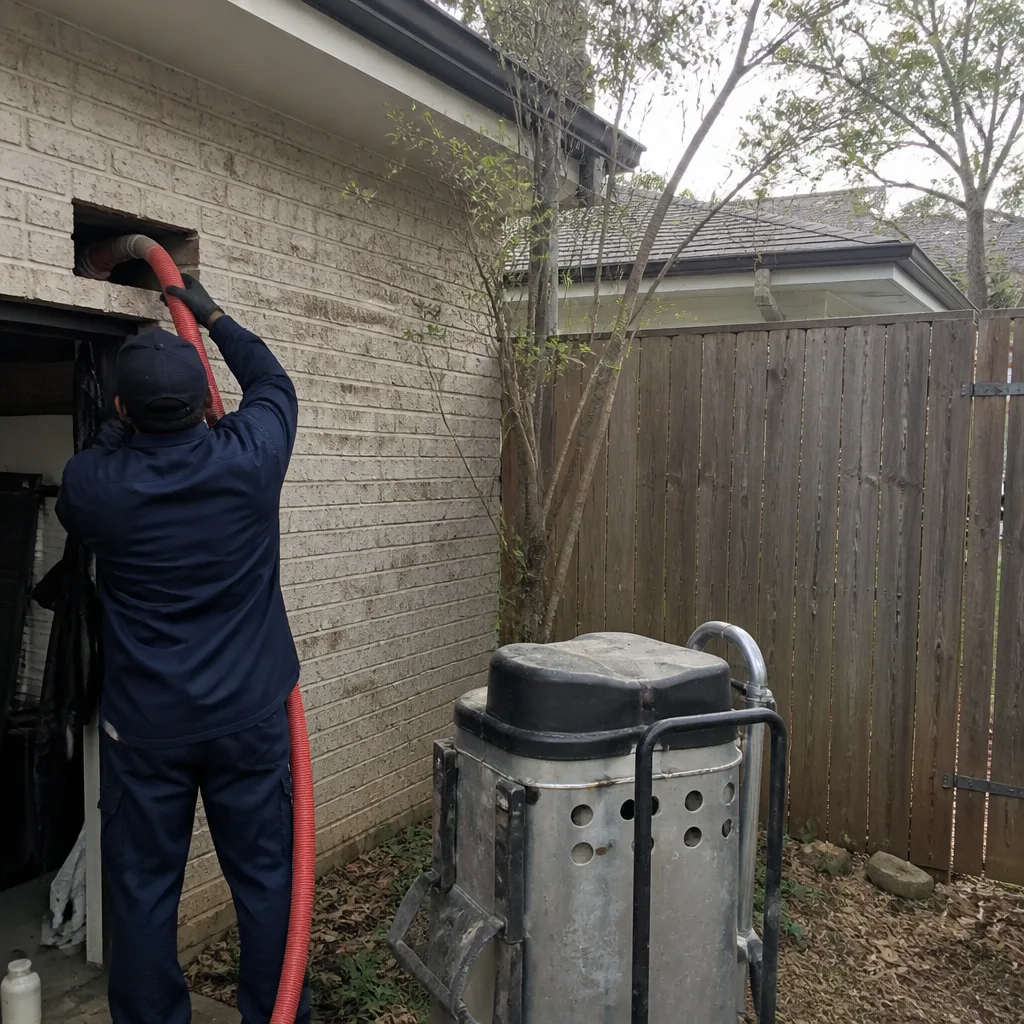 Before
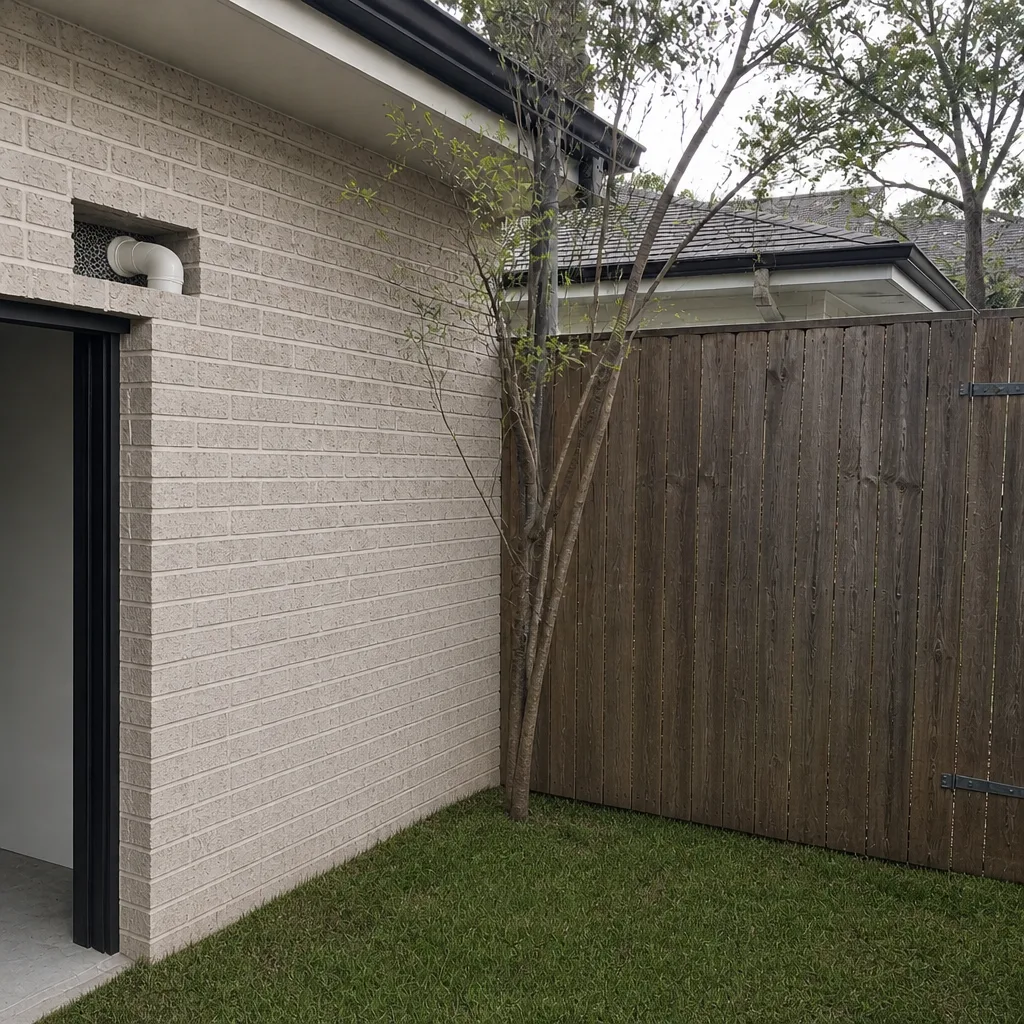 After
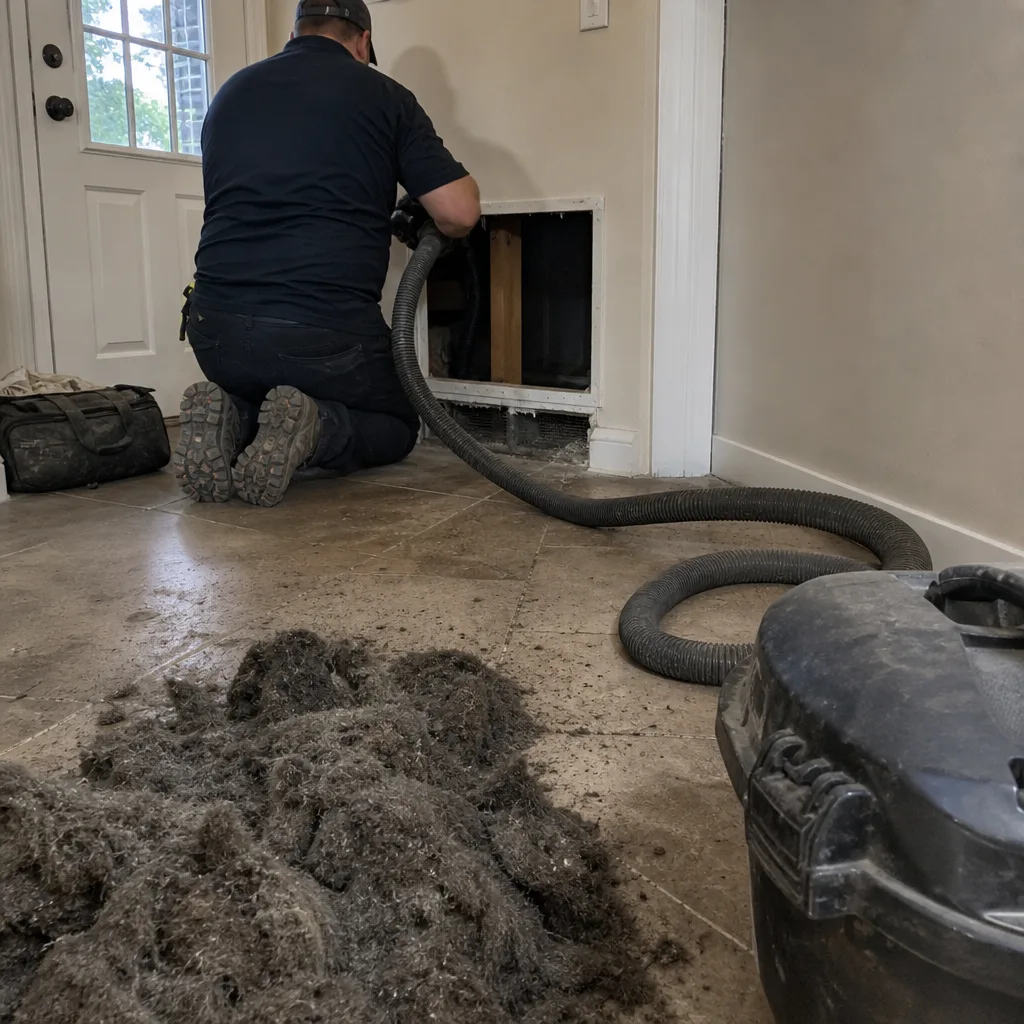 Before
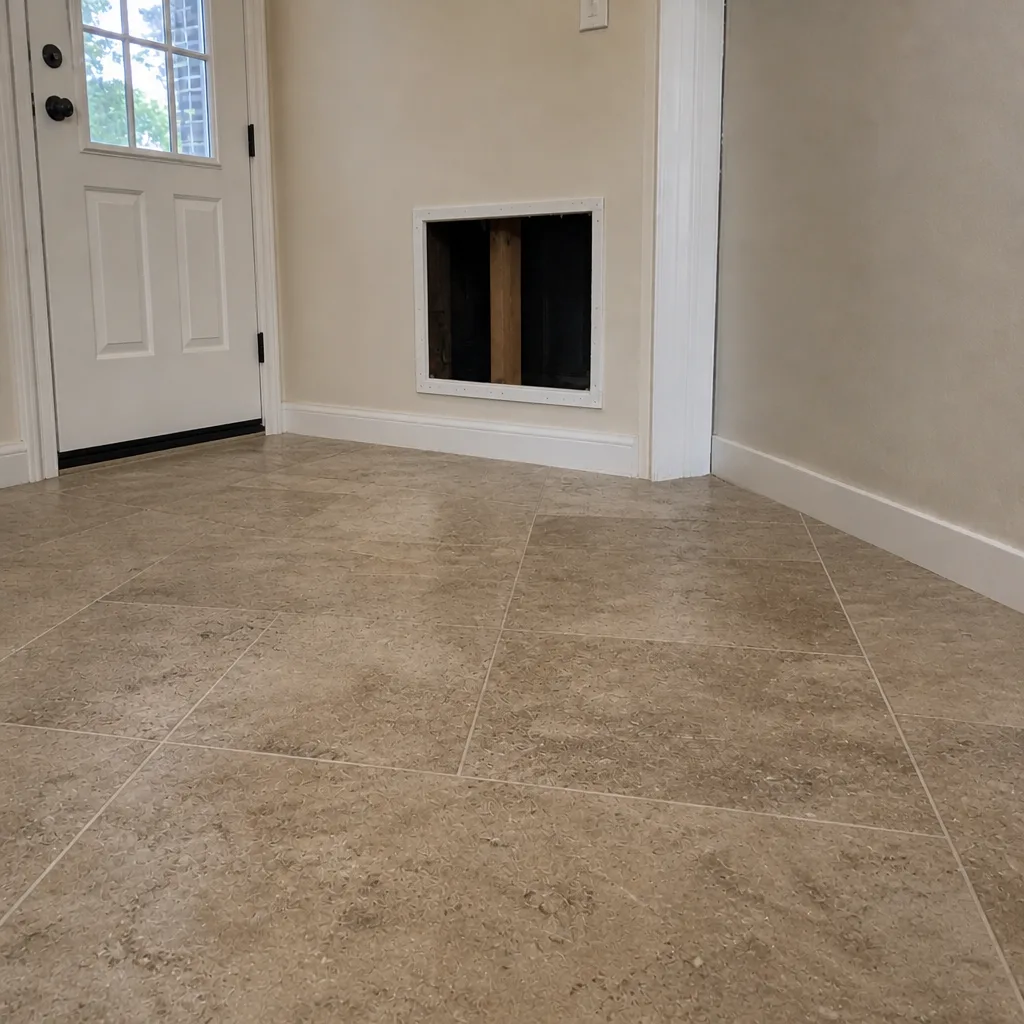 After
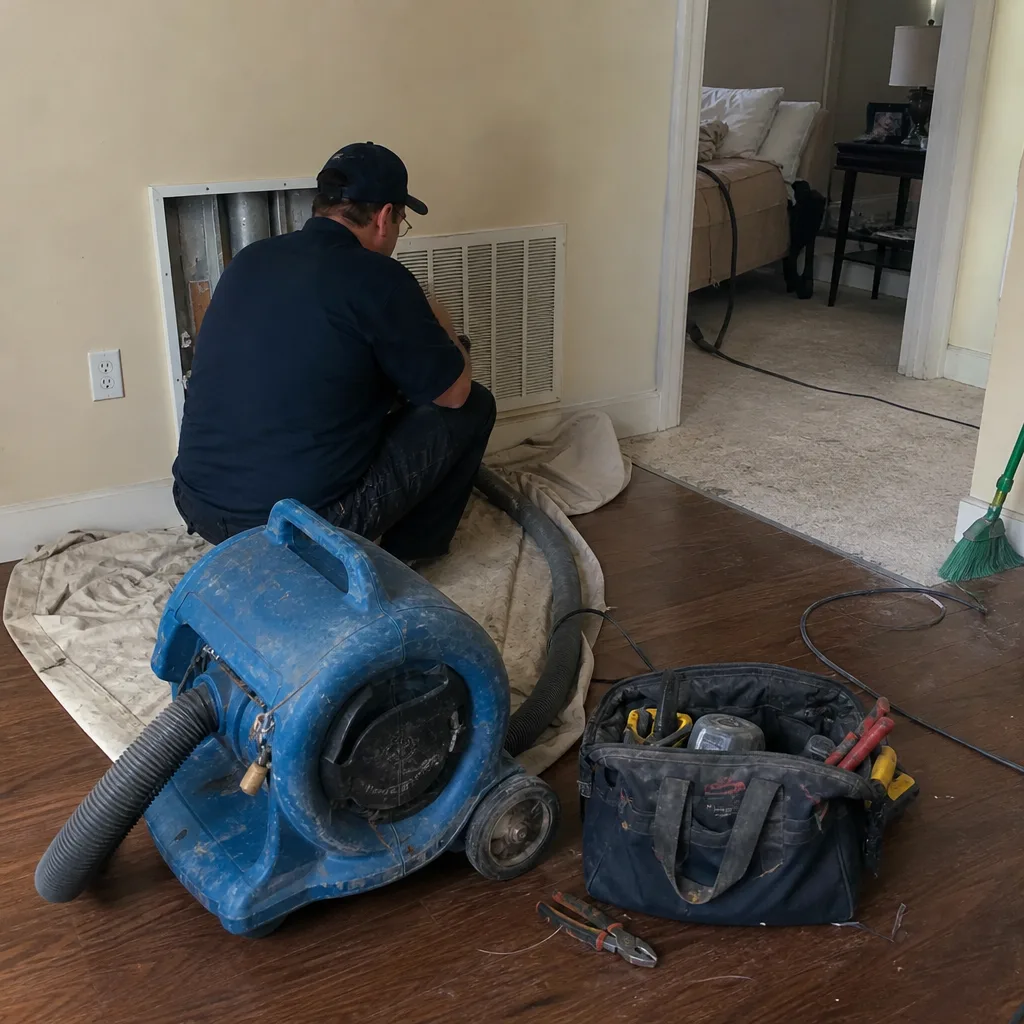 Before
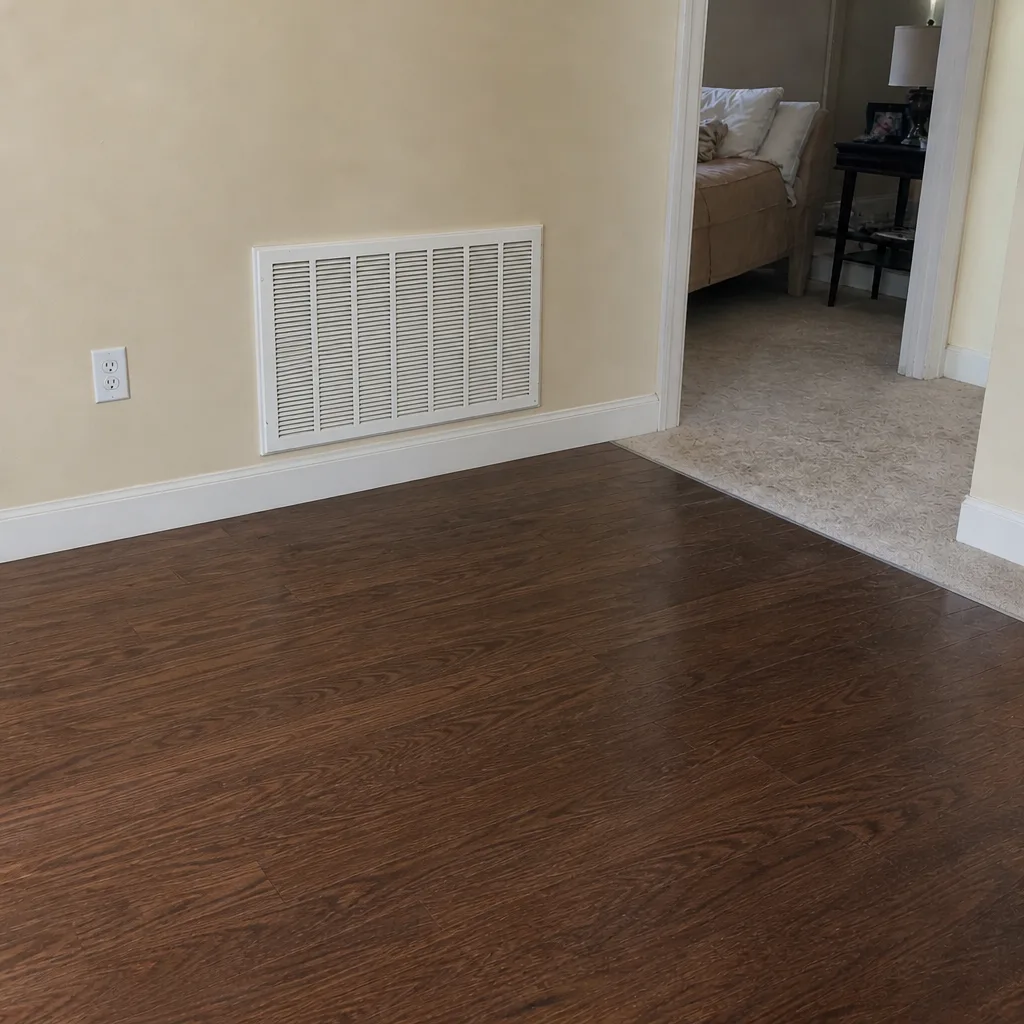 After
When to Call a Professional
Call a duct cleaning professional immediately if any of these situations applies: fire or smoke has affected any room in the home, water has entered a duct, insulation, or air handler, a renovation has produced heavy dust without sealed registers, or you’re seeing persistent musty odors after a water event. Also call if an HVAC tech or home inspector has flagged the ducts as contaminated, or if you’re filing an insurance claim and need a condition report with photos and a recommended scope. Air Duct Cleaning Bluffview offers free estimates in Bluffview – call (855) 337-1683. We answer 24/7. Fast dispatch from 7am to 7pm, Sunday through Friday. Same-day service is often available for emergency assessments. Our technicians have up to 12 years of experience with professional-grade Rotobrush and Nikro equipment.
Frequently Asked Questions
Air ducts should be cleaned as soon as the fire is fully extinguished, the structure is declared safe, and an inspection has confirmed smoke residue in the duct system. In practice, the delay between the event and cleaning should be measured in days, not weeks, because smoke residue sets into duct surfaces and odor compounds become harder to remove over time. Keep the HVAC off until the ducts are cleaned. Call us at (855) 337-1683 for a free estimate before the system is used again.
Homeowners insurance usually covers air duct cleaning when the contamination is a direct result of a covered event like a fire, a burst pipe, or a covered water intrusion. Routine duct cleaning for normal dust accumulation is generally not a covered claim. The key is documentation: photos, moisture readings, a written condition report, and a detailed scope of work. Ask your adjuster before work begins if possible. Call (855) 337-1683 for a condition report you can submit with your claim.
Running the HVAC after a fire pushes smoke residue through every room connected to the duct system, spreading contamination instead of clearing it. Duct systems are closed loops of several hundred feet in most Bluffview homes, and once residue enters the return side, it distributes through every supply register at once. Keep the system off until the ducts have been professionally inspected and cleaned.
Routine cleaning targets household dust and light debris using standard agitation and vacuum equipment. Post-emergency cleaning targets fire residue, moisture and mold growth, or fine construction dust, and it requires a pre-cleaning assessment (moisture mapping, mold testing), specialized cleaning equipment, PPE for the crew, sanitizing treatments, and documented disposal of removed material. The equipment, sequence, and documentation are all different. Call (855) 337-1683 to discuss which protocol your situation needs.
Emergency duct cleaning is priced as a written scope, not a flat rate, because the range depends on how much of the duct system is compromised and whether repair or replacement is part of the job. A standard whole-system cleaning and a post-water-intrusion protocol with mold remediation are different jobs with different scopes. Estimates are free and the written scope sets the final price, with one flat price per system agreed before work starts. Call (855) 337-1683 for an exact quote.
Whether you can stay in the home during post-emergency duct cleaning depends on the contamination type and the scope. Fire residue, mold remediation, and heavy renovation dust jobs often call for residents to be out of the home during active work, particularly if cleaning equipment is running for extended periods. Your contractor should tell you at the estimate stage whether staying is safe. Call (855) 337-1683 with the details of your situation and we’ll walk through it.
The Bottom Line
Post-emergency duct cleaning in Bluffview isn’t an upgraded version of routine cleaning. It’s a different protocol built around a different problem. Fire, water intrusion, and major renovation each deposit a specific kind of contamination that standard cleaning won’t remove. Documentation comes first, moisture testing comes before cleaning after any water event, the HVAC system stays off until inspection confirms it’s clean, and the crew you hire needs the equipment, PPE, and disposal protocols to handle real contamination. When those pieces are in place, the system comes out clean, the insurance file is complete, and your indoor air quality returns to where it should have been all along. Written by the team at Air Duct Cleaning Bluffview.
Call (855) 337-1683 for a free estimate. We answer 24/7. Fast dispatch from 7am to 7pm, Sunday through Friday.