
Last updated November 23, 2026
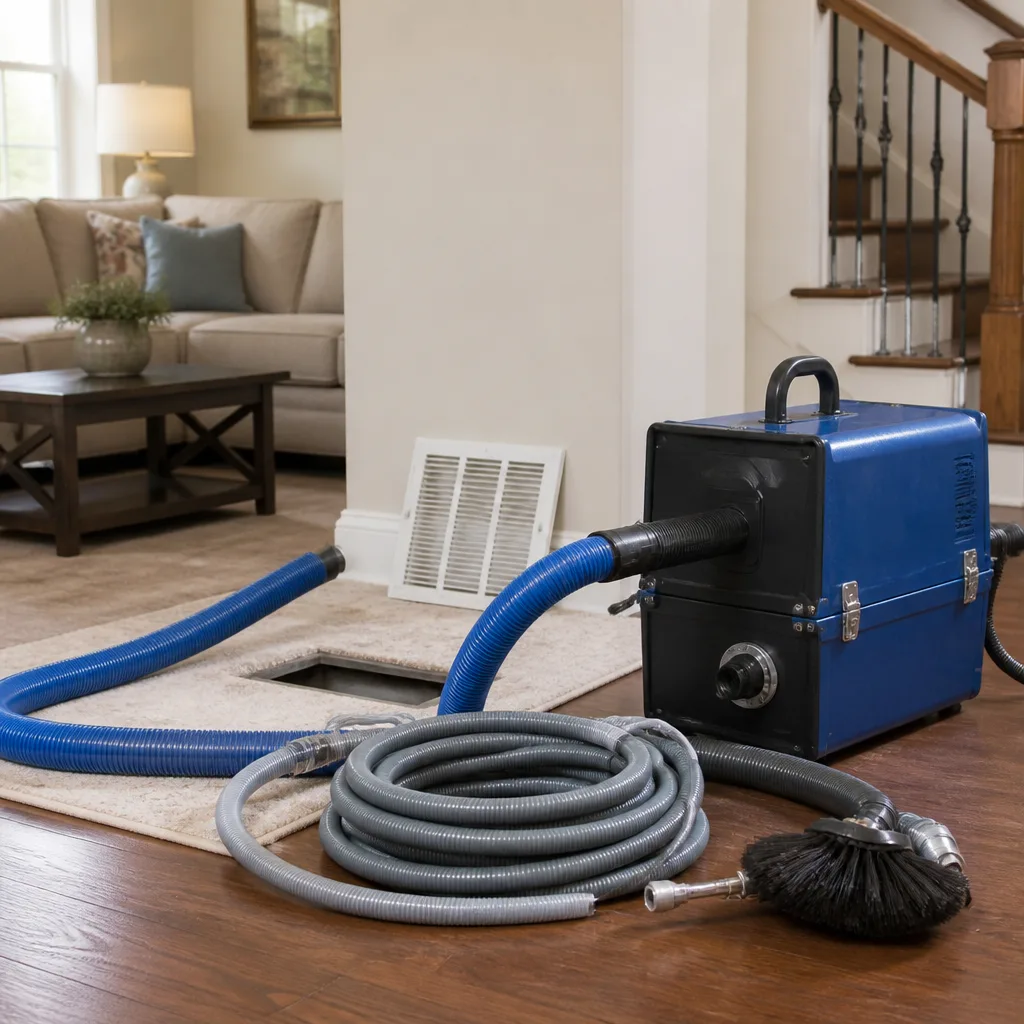 Whole-home duct cleaning
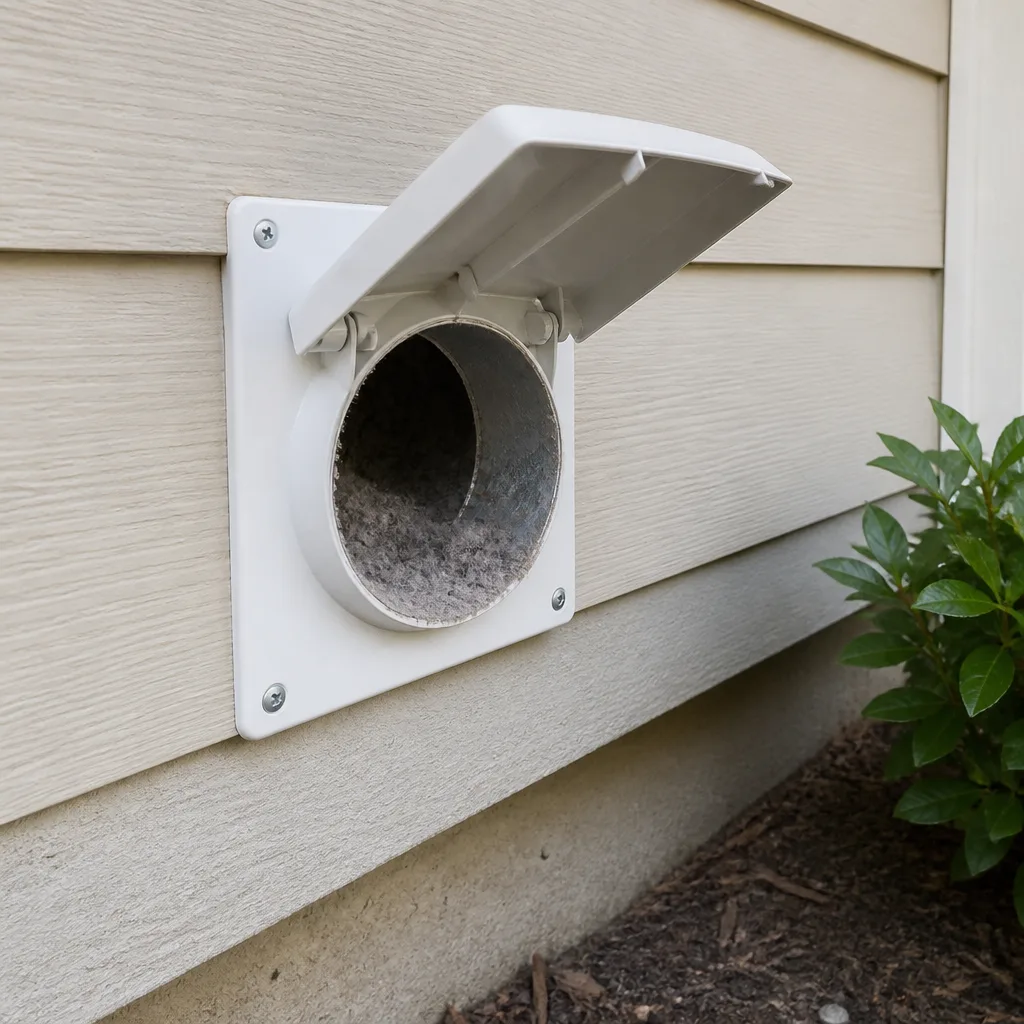 Dryer vent cleaning
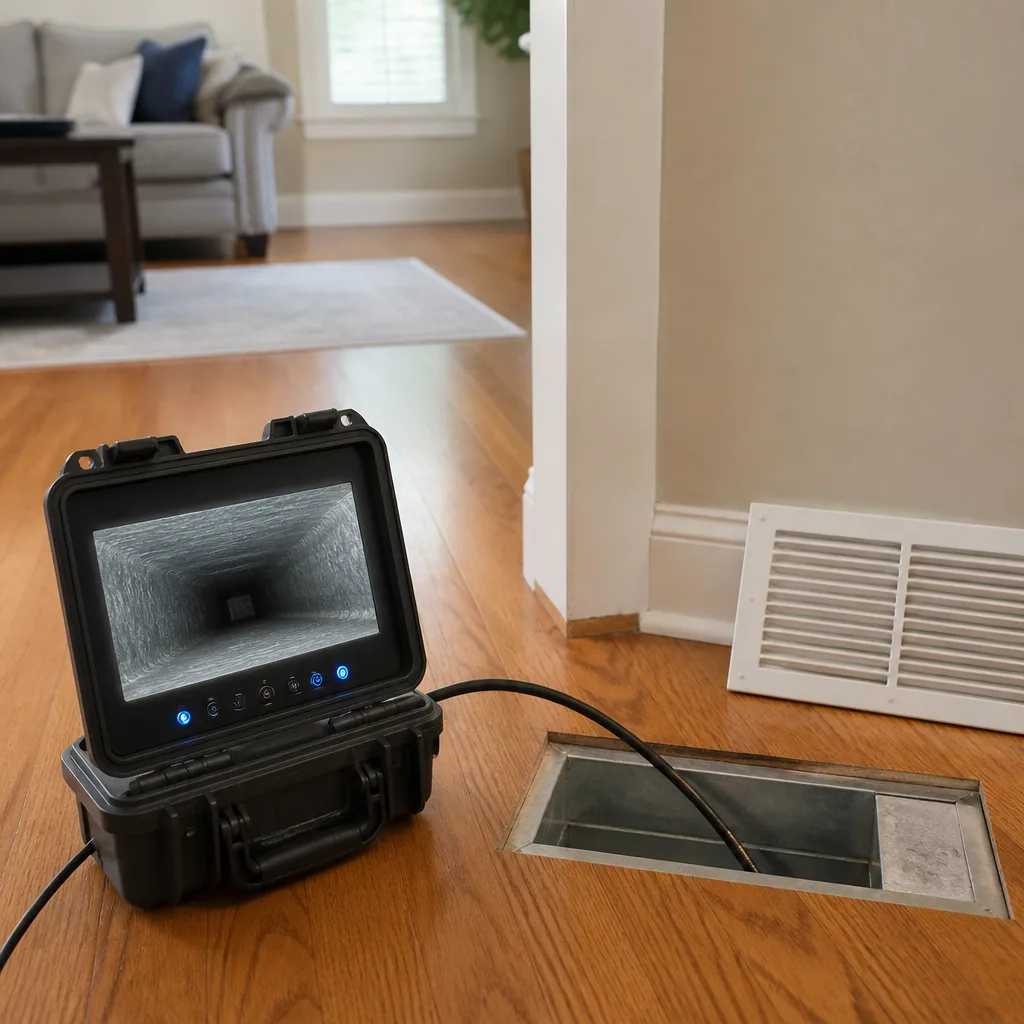 Camera inspection
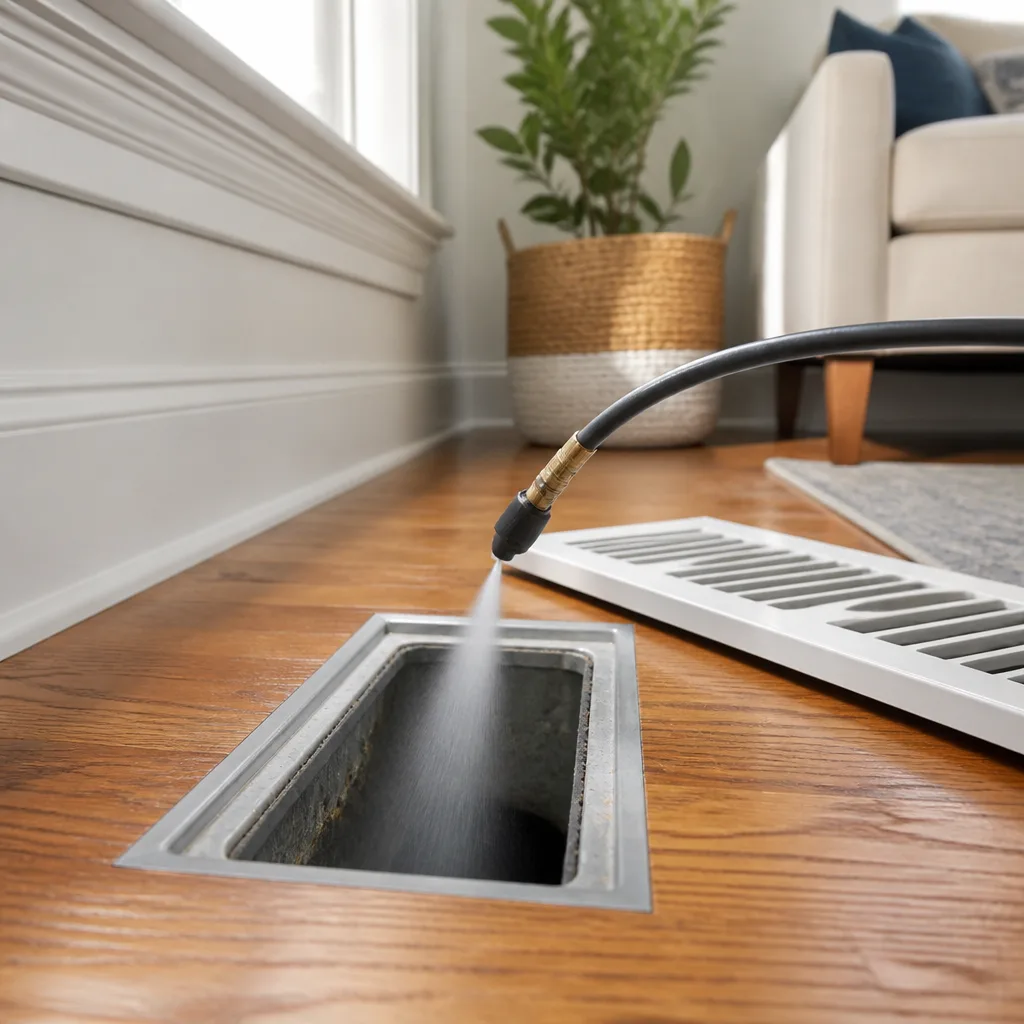 Sanitizing & deodorizing
Whole-system duct and dryer vent check with before-and-after photos - you see exactly what came out of your vents
That "$99 whole-house special" is a bait ad - the real number appears once they are in your hallway, or the "clean" is a shop-vac at the register. We photograph the inside of your ducts before and after instead.
DIY vs Professional Air Duct Cleaning: The Bluffview Homeowner’s Decision Guide
Most homeowners who clean their own ducts don’t fail for lack of effort. They fail because of physics. A shop vac pulling air through a length of flexible hose generates a fraction of the suction a professional system does, so what happens inside the ductwork isn’t removal. It’s redistribution: dust and debris get knocked loose from the walls and settle somewhere else in the system, waiting to be pushed back into your rooms the next time the air handler runs. We’ve pulled apart duct runs in Bluffview where a homeowner’s careful weekend work had simply moved a pound of dust from a trunk line into a branch. This guide walks through what DIY can honestly accomplish, where it backfires, and how to decide what’s right for your home.
Quick Answer
DIY air duct cleaning in Bluffview makes sense for surface maintenance like register cleaning, filter changes, and visual inspection. Real source removal, the kind that clears years of settled debris from trunk lines and branch runs, needs professional negative-pressure equipment that consumer tools can’t match. If your ducts have never been cleaned, show visible dust at the registers, or you’re dealing with allergies or musty odors, a professional service is the honest answer.
Styles & brands we work with
- Whole-home duct cleaning
- Dryer vent cleaning
- Camera inspection
- Sanitizing & deodorizing
Table of Contents
- Why DIY Air Duct Cleaning Works Differently: The Physics of Negative Pressure
- The Shop Vac vs. the Truck Mount: What the Numbers Actually Say
- What You Can Legitimately Do Yourself in a Bluffview Home
- When DIY Attempts Make Things Worse
- The Real Cost Comparison: DIY vs. Professional Over 3 to 5 Years
- How to Use DIY Maintenance to Stretch Your Professional Cleaning Intervals
- Bluffview-Specific Factors That Change the Calculation
- What Professional Equipment Actually Does That Yours Can’t
Why DIY Air Duct Cleaning Works Differently: The Physics of Negative Pressure
A duct system is a closed loop. Air comes in through the return, moves through the air handler and filter, and goes back out through supply runs. When debris settles on the interior walls of those runs, the only way to remove it is to capture it while it’s airborne and carry it out. That’s what negative pressure containment means. The professional approach is to connect a high-volume vacuum to the trunk line, seal the system so nothing escapes, and then agitate the duct walls with a rotary brush or air whip while the vacuum holds everything under suction. Debris comes off the wall and goes straight into the capture unit. Nothing redistributes.
Negative pressure is the part that matters and the part that can’t be replicated at home. Without containment, any tool you feed into a duct creates two problems at once. It disturbs debris faster than a weak vacuum can capture it, and it pushes loose material toward open registers in other rooms. The result looks clean where you’re working and leaves a fine layer of dust on the coffee table in the next room.
Bluffview homes present an extra wrinkle. Many have duct layouts that run through unconditioned attic space or short branch runs with tight elbows. Those elbows trap debris and are exactly where agitation-first, capture-second approaches fail. Running the air handler after a DIY attempt doesn’t fix this – it just moves the dust into rooms through the same path it always used. Our air duct cleaning work starts with containment, which is why a professionally cleaned system looks different under a flashlight than one that was simply brushed out.
The practical takeaway: negative pressure is not a feature you can add. It’s the whole system design, and it’s what separates cleaning from sweeping.
The Shop Vac vs. the Truck Mount: What the Numbers Actually Say
Here’s the comparison that makes the difference concrete. A shop vac attached to a dryer vent brush generates roughly 50 to 80 cubic feet per minute of airflow. A professional truck-mounted duct cleaning system generates somewhere between 10,000 and 16,000 CFM. That’s not a marketing number. It’s the reason a DIY job looks different under a flashlight than a professional clean.
Airflow in cubic feet per minute is the volume the vacuum can pull through a duct in a given time. Volume matters because ducts are not smooth tubes – they have seams, joints, and dozens of linear feet of surface area per run. Loose debris has to be lifted off that surface, drawn through the run, and captured. At 50 CFM, a shop vac is essentially nibbling at the edges. At 12,000 CFM, the system is pulling the whole column of air in the run hard enough to keep dust suspended while a rotary brush knocks it free.
- Shop vac + brush: low airflow, no containment, dust re-enters living space.
- Consumer “duct cleaning” kits: a shop vac hose with a plastic brush head – same airflow limits, same redistribution problem.
- Professional truck mount: 10,000-16,000 CFM vacuum, sealed system, rotary agitation, dust captured outside the home.
- Rotary brush systems like Rotobrush: purpose-built for interior duct work, paired with the vacuum rather than used alone.
- HEPA capture units like Nikro and Abatement Technologies: trap fine particulate that would otherwise blow back into the room.
The gap between those numbers isn’t a technicality. It’s the difference between source removal and surface disturbance. When we bring Rotobrush and Nikro equipment into a Bluffview home, the airflow and the capture are matched to the job, not improvised from whatever’s in the garage.
What You Can Legitimately Do Yourself in a Bluffview Home
DIY is not worthless. It’s just limited to a specific set of tasks that don’t require negative pressure. Owning those tasks actually protects your ducts and stretches the time between professional services.
- Clean the supply registers and return grilles. Remove the grilles, wash them in warm soapy water, dry them fully, and reinstall. This removes the visible dust that collects on the face of every register in the home. It’s the single highest-return DIY task you can do.
- Replace the air filter on schedule. Check the filter once a month and swap it based on condition, not just the calendar. A dirty filter restricts airflow and forces the system to work harder, which shortens equipment life.
- Visual inspection. Flash a light into the return duct and supply runs at the register openings. Look for visible dust buildup, pest activity, water stains, or disconnected flex duct. Stop there – do not insert a brush or vacuum head into the run.
- Clear lint from the dryer vent opening. Pull the vent hose where accessible, remove lint from the exterior flap and the connection point, and check the outdoor exhaust for blockage. Deep dryer vent cleaning is a different animal, and we cover that separately in our dryer vent cleaning page.
- Keep the air handler and coil area clear. Vacuum around the base of the unit, but don’t open panels you’re not comfortable with. Coil cleaning belongs in professional HVAC cleaning territory.
These tasks take an afternoon a few times a year and cost little. They don’t remove what’s inside the duct runs. But they lower the dust load entering the system and help a professionally cleaned duct stay clean longer.
When DIY Attempts Make Things Worse
We’ve seen Bluffview homes where a well-meaning DIY cleanup created a bigger problem than the one it started with. Two failure modes come up again and again.
Dislodging without capture. The shop vac runs but the brush outpaces it. Debris lifts off the duct wall, the vacuum can’t move enough air to carry it away, and the material settles farther down the run or gets pushed out into a living space. The homeowner sees dust on the baseboards for weeks and assumes the duct was dirty. What actually happened is redistribution. The problem didn’t leave; it moved.
Disturbing aging flex duct connections. Many homes built or retrofitted with flex duct have connections at the trunk, at the register boot, and at every elbow that were taped or banded at install. Those connections age. A brush pushed through a flex run can pull a joint loose or tear the inner liner, which opens a path for attic air, insulation fibers, and debris to enter the supply stream. That’s a repair job, not a cleaning job.
Two more situations where DIY tends to backfire:
- Systems with recent water intrusion or visible microbial growth – dry-brushing spores only spreads them.
- Post-renovation dust from drywall or tile work – there’s simply more debris in the system than a consumer tool can capture.
Air Quality & Sanitizing exists for a reason. Surface removal followed by a treatment phase with products like Guardsman reaches the concerns that brushing can’t address. That’s a full-system job, not a homeowner afternoon project.
The Real Cost Comparison: DIY vs. Professional Over 3 to 5 Years
Homeowners often compare the upfront cost of a professional cleaning to the cost of a shop vac and brush kit. That comparison leaves out the biggest line items: repeat attempts, damage repair, and the equipment replacement cycle. Here’s a more honest look across a 3-to-5-year window.
- Shop vac and filter bags: You’ll need bags, filters, and eventually a replacement unit as the motor wears from extended use.
- Brush kits and attachments: Cheap ones fail mid-run. Better ones aren’t cheap.
- Repeat attempts: DIY rarely fixes the problem on the first try, so expect to try again within a season.
- Air filter changes: Same either way – a dirty duct load shortens filter life in both scenarios.
- Potential duct repair: Torn flex liner, disconnected joints, or a loosened connection after DIY agitation are the most common unintended costs we see in Bluffview.
- Professional cleaning interval: One properly executed cleaning at a sensible interval typically finishes the job in a single visit that DIY can’t replicate across years of attempts.
The math shifts further if the home has pets, has had recent remodeling, or shows visible dust at registers. Those homes need source removal, and no number of shop vac sessions replaces it. The estimate is free, so the honest first step is a professional look before committing to a DIY approach that may cost more over time than a single cleaning. The written estimate sets the final price, and it’s built per system – not per vent.
How to Use DIY Maintenance to Stretch Your Professional Cleaning Intervals
The best DIY strategy isn’t to replace professional cleaning. It’s to extend the interval between cleanings so each professional visit buys more time. Here’s the routine we recommend to homeowners who want to get the most out of each service.
- Change filters on condition, not calendar. Check monthly. Swap when visibly loaded. This is the single biggest lever on how quickly ducts re-soil.
- Clean registers every 6 months. Wash grilles, vacuum the visible interior of the register boot, and reinstall. Simple, quick, and it removes the dust that would otherwise cycle back into the system.
- Do a light walk-through inspection twice a year. Flashlight into return and supply openings. Look for moisture, pest activity, or any visible gap in flex runs. Report issues before they become a bigger cleaning and sealing job.
- Schedule a professional cleaning based on the system, not a fixed number. Homes with pets, recent renovation, allergies in the household, or a history of musty odors need shorter intervals than homes without those factors.
- Address sealing and repair early. A leaky return or disconnected branch pull in attic dust and neighborhood debris; cleaning without sealing is temporary. Duct Repair & Sealing is where the long-term gains live.
Homes that do these tasks well can go longer between cleanings. Homes that skip them re-soil faster and need more frequent service. The professional cleaning removes what’s there. The maintenance schedule decides how soon you’re back on the calendar.
Bluffview-Specific Factors That Change the Calculation
Bluffview’s climate is mild, and that shapes how dust behaves in a home. Longer cooling seasons mean the air handler runs more hours per year, which keeps attic air, pollen, and fine debris moving through the return longer. A system that’s running more hours accumulates internal dust faster per calendar year than one that sits idle through a long heating season.
Home age and construction style matter too. Bluffview has a mix of older homes and newer builds. Older homes are more likely to have duct systems with original metal trunks and short flex branch runs; those systems are more resilient to brush agitation than fully flexed systems, but they also have deeper seams where dust accumulates over years. Newer construction is more likely to be flexed through unconditioned space, which raises the stakes on containment and connection integrity during cleaning.
Renovation activity around Bluffview is steady, and that’s a factor homeowners often underestimate. Drywall dust, tile thinset dust, and insulation fibers get pulled into the return during and after a project. A shop vac can’t clear that load. A properly vacuumed and agitated system can.
Homes with pets in Bluffview see the same effect more pronounced: pet dander and hair settle into the return and get pushed back through supply runs on every cycle. Routine filter changes matter even more in those homes, and professional cleaning intervals shorten.
None of these are reasons to be alarmed. They’re reasons to treat duct cleaning as a maintenance item with a schedule, not a one-time event. If you want a second opinion on your system, Air Duct Cleaning Bluffview brings the professional equipment and the whole-system view to every home we visit.
What Professional Equipment Actually Does That Yours Can’t
The tool that separates professional cleaning from DIY isn’t a bigger shop vac. It’s a matched system: high-volume vacuum, sealed containment, and rotary agitation that keeps debris airborne while it’s being captured. Every piece depends on the others.
- Rotobrush systems: rotary brush and whip that reach interior duct walls, driven by an air line and paired with a vacuum for continuous capture.
- Nikro and Abatement Technologies equipment: HEPA capture units that hold fine particulate so it doesn’t cycle back into the home.
- Containment sealing: supply and return openings are sealed so the system holds negative pressure while the work is done.
- Air Quality & Sanitizing phase: treatment with products like Guardsman after debris removal, aimed at the microbial and allergen concerns that brushing alone can’t touch.
- Duct Repair & Sealing: the service most single-task cleaners can’t offer, and the one that keeps cleaned ducts clean.
- Whole-system view: ducts, dryer vent, HVAC, sanitizing, and repair addressed as one pathway rather than isolated tasks.
The brands behind the equipment matter because the equipment has to match the job. Rotobrush and Nikro aren’t household names to most homeowners. They’re what professionals use when they care less about a flashy vacuum and more about actually removing what’s in the duct. The same logic applies to Honeywell, Aprilaire, and Abatement Technologies on the filtration and air quality side – familiarity with those systems comes from doing this work for a while, not from reading about it.
Our technicians have up to 12 years of experience running this equipment. That time is spent on the understanding that matters: how much agitation a duct can take, how to seal a run without over-pressurizing it, and how to spot a failing connection before it becomes a repair. If a Bluffview homeowner is weighing DIY against professional cleaning, the honest comparison isn’t effort – it’s whether the equipment can hold the debris that comes loose.
Common Mistakes to Avoid
- Assuming a shop vac equals a duct cleaning system. A shop vac is a pickup tool, not a negative-pressure system. Using one inside a duct disturbs more than it removes.
- Brushing ducts without sealing them. Agitation without containment pushes debris into the living space. Sealing comes first, always.
- Skipping filter changes while cleaning duct runs. A loaded filter re-soils the system with every cycle. Change the filter before and after any duct work.
- Cleaning ducts before repair. A disconnected branch or open return pulls debris back into the system the same day it’s cleaned. Fix the seal first.
- Cleaning only the visible supply runs. The return side is where most debris settles in a Bluffview home. Cleaning only the supply side is a partial job.
- Using a cheap consumer kit on flex duct. Aggressive brushing on older flex runs can tear the inner liner or pull a joint loose. That’s a repair bill, not a cleaning.
- Treating cleaning as one-time maintenance. Duct systems re-soil. The interval depends on pets, renovation, allergies, and filter habits, not on a fixed number of years.
See the difference
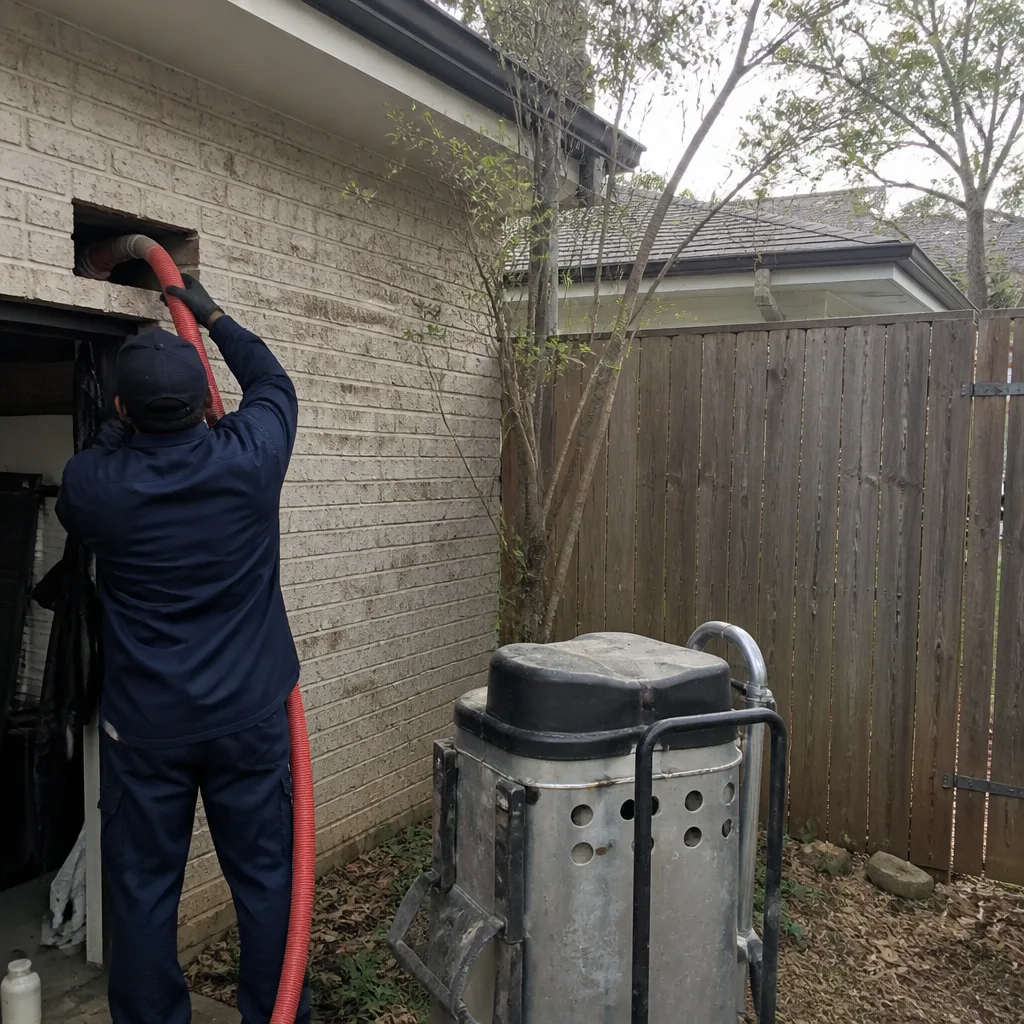 Before
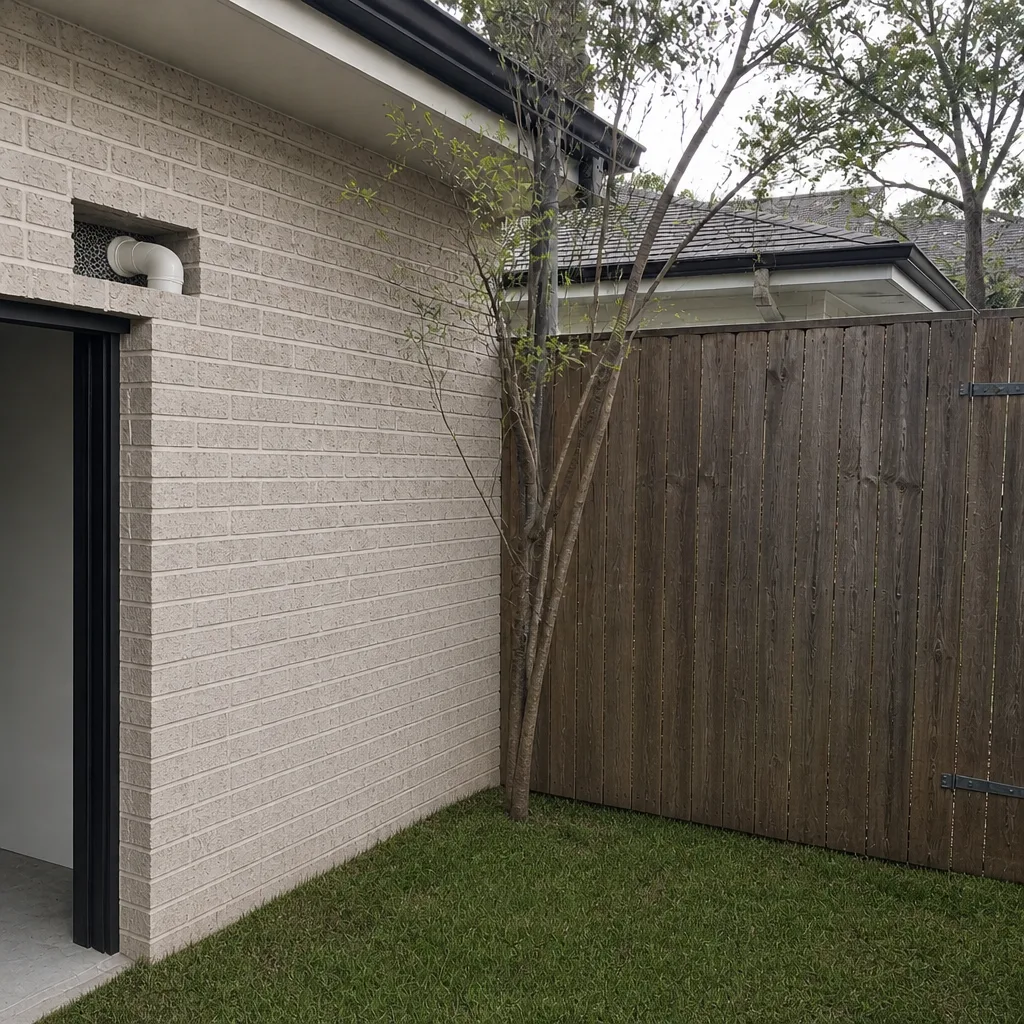 After
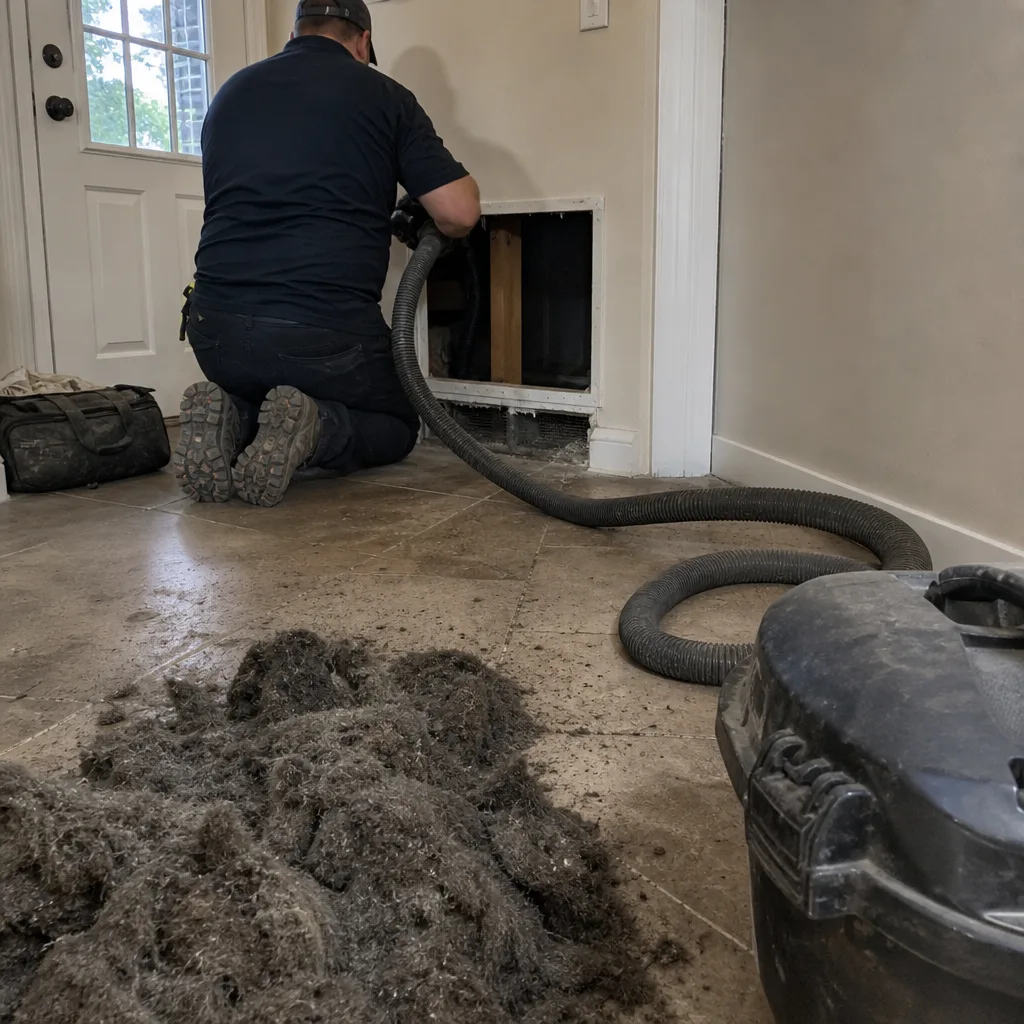 Before
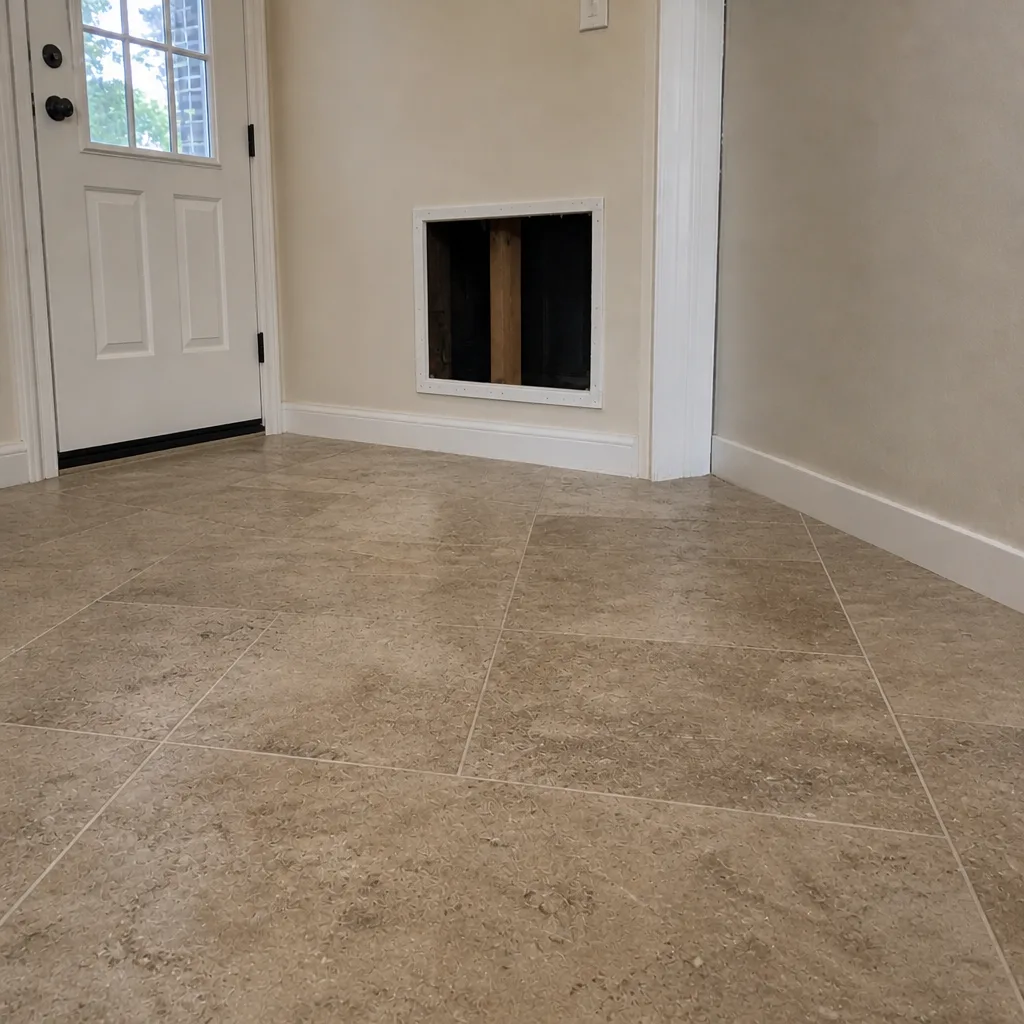 After
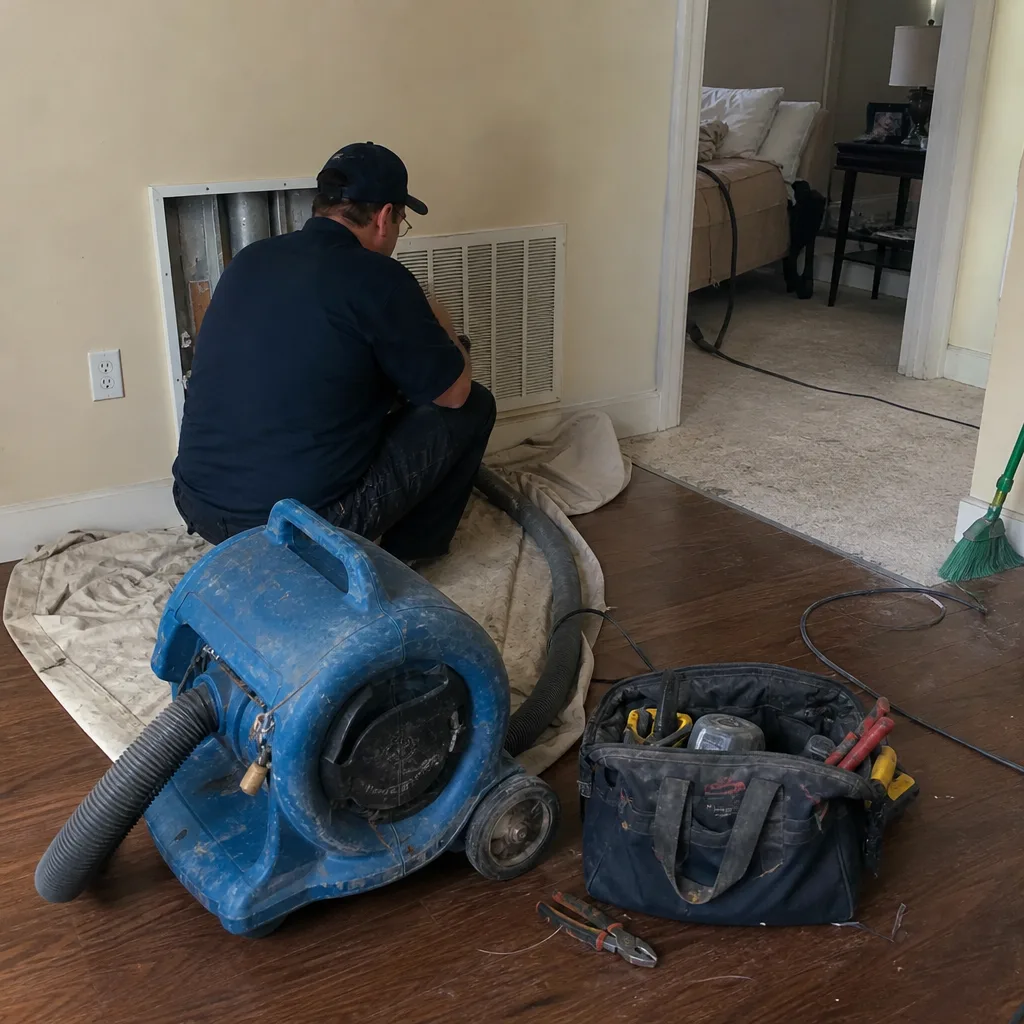 Before
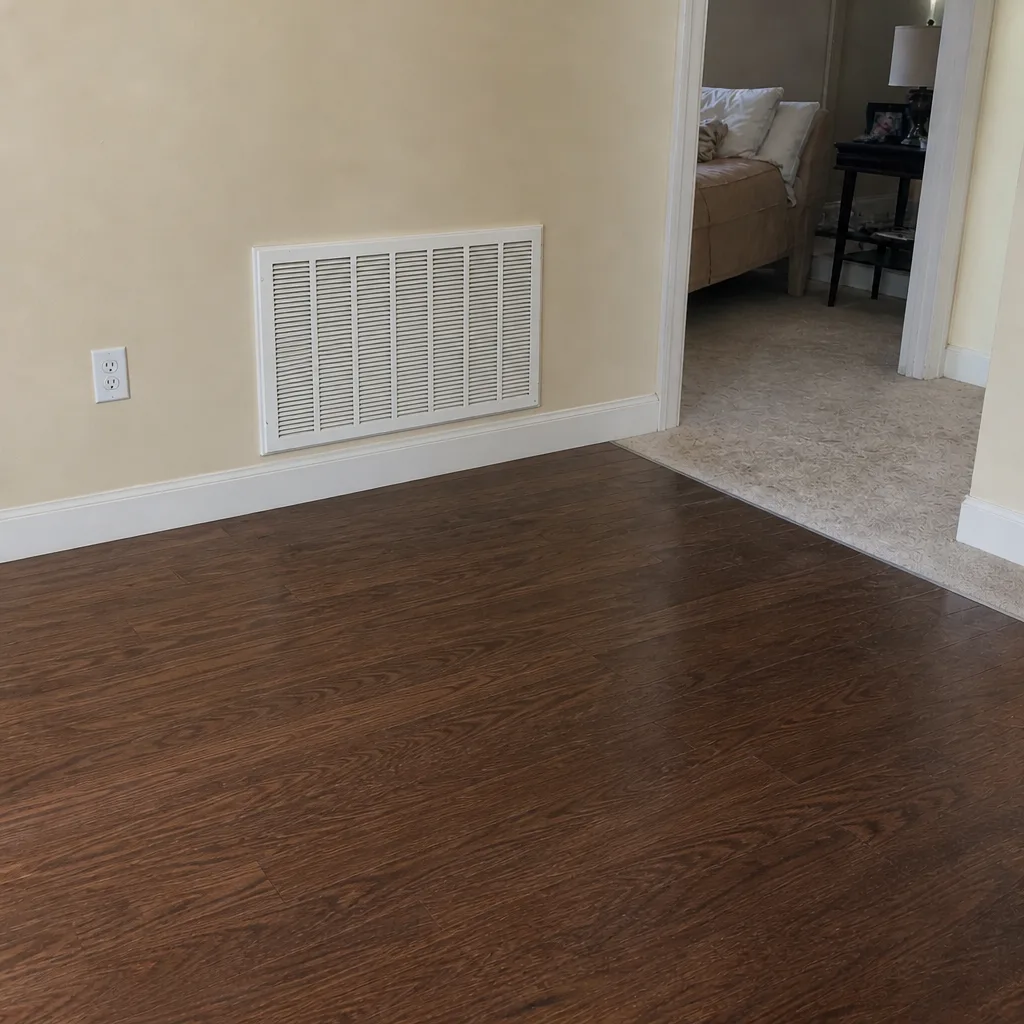 After
When to Call a Professional
Call a professional when the problem is beyond what homeowners can reach with the tools they have. Visual dust buildup at every register, musty odors that come back after filter changes, recent renovation dust, a household with allergies or asthma, or a system that hasn’t been cleaned and shows obvious debris at the returns – all of those need negative-pressure source removal, not surface work. Duct Repair & Sealing falls in the same category: a torn flex liner, disconnected joint, or leaky return is a job for someone with the right equipment, not tape and hope. Air Duct Cleaning Bluffview offers free estimates in Bluffview – call (855) 337-1683. We answer 24/7, and fast dispatch runs 7am to 7pm, Sunday through Friday.
Frequently Asked Questions
Professional air duct cleaning in Bluffview is priced per system, not per vent, and the written estimate sets the final price. One flat price per system is agreed before any work starts, and you get before-and-after photos of your own ducts so you can see what changed. Call (855) 337-1683 for an exact quote – estimates are free.
No. A shop vac can lift surface dust at a register opening, but it doesn’t generate the airflow or containment needed for interior duct cleaning. The vacuum is the reason: professional systems move 10,000 to 16,000 CFM under sealed negative pressure, and consumer tools fall far short of that. Without adequate airflow, debris gets redistributed rather than removed.
Low quotes usually reflect a surface-only service that skips containment, agitation, and capture. Often it’s a single pass with a brush and a shop vac that doesn’t touch the deeper dust load, and the price is low because the work is minimal. Ask what equipment is used, whether the system is sealed, and whether you get before-and-after photos. Our pricing is one flat price per system, agreed before work starts.
Ask for before-and-after photos of your own ducts. A professional service should be able to show you what came out and what the runs look like afterward. Ask also what equipment is being used and where the debris goes. If a company can’t answer those questions, that tells you something. Call (855) 337-1683 to schedule an estimate and see the process up close.
There’s no single number that fits every home. Homes with pets, recent renovation, allergy concerns, or a history of musty odors generally need shorter intervals. Homes with regular filter changes and clean registers can go longer. A free estimate is the honest way to decide, and we’ll tell you what your system actually looks like. Call (855) 337-1683.
Yes, in two specific ways. Aggressive brushing can tear the inner liner of aging flex duct or pull a joint loose, and agitation without containment pushes debris deeper into the system and back into living spaces. Both turn a cleaning job into a repair job. If you’re unsure whether your ducts can take the agitation, stop and have a professional look first.
The Bottom Line
DIY duct cleaning has a real but limited role. Register cleaning, filter changes, visual inspection, and basic dryer vent lint removal are genuinely useful and worth doing. They lower the dust load and stretch the time between professional cleanings. What they can’t do is replicate the negative-pressure containment that source removal requires. The airflow gap between consumer tools and professional systems is the whole story, and it’s why a professionally cleaned duct looks different under a flashlight. Bluffview homeowners who want to protect their system should combine honest DIY maintenance with a professional cleaning interval that matches the home. If you’re weighing the decision, a free estimate is the cleanest way to know which side of the line your ducts are on.
Call (855) 337-1683 for a free estimate. We answer 24/7, with fast dispatch from 7am to 7pm, Sunday through Friday.
Written by the team at Air Duct Cleaning Bluffview.