
Last updated November 23, 2026
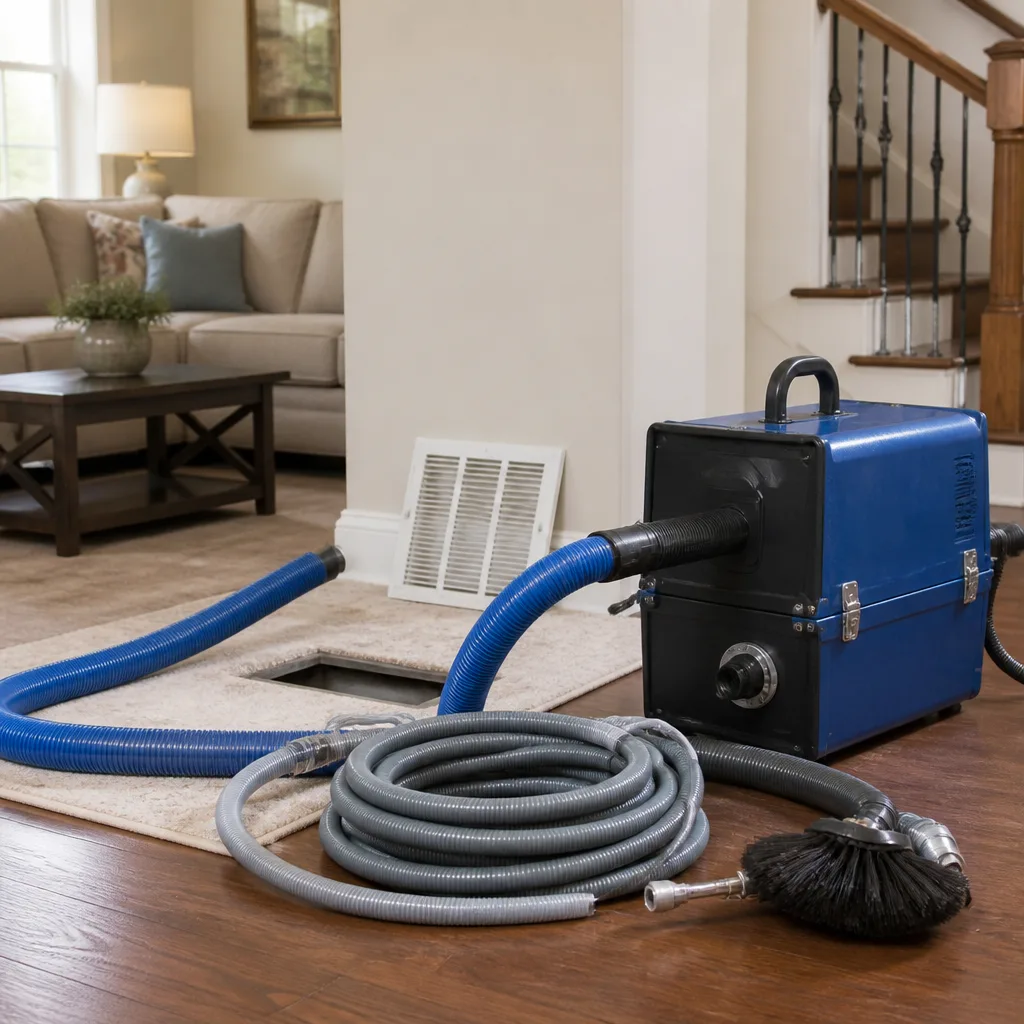 Whole-home duct cleaning
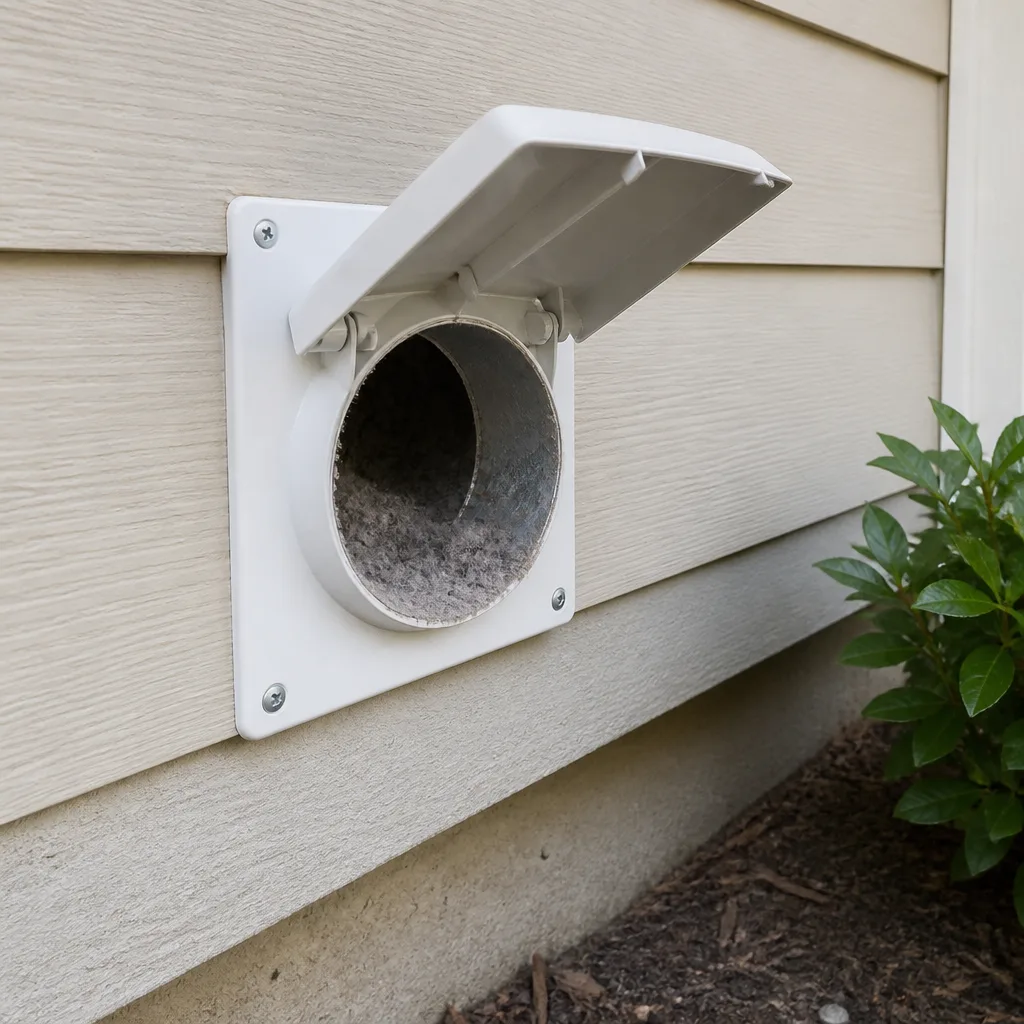 Dryer vent cleaning
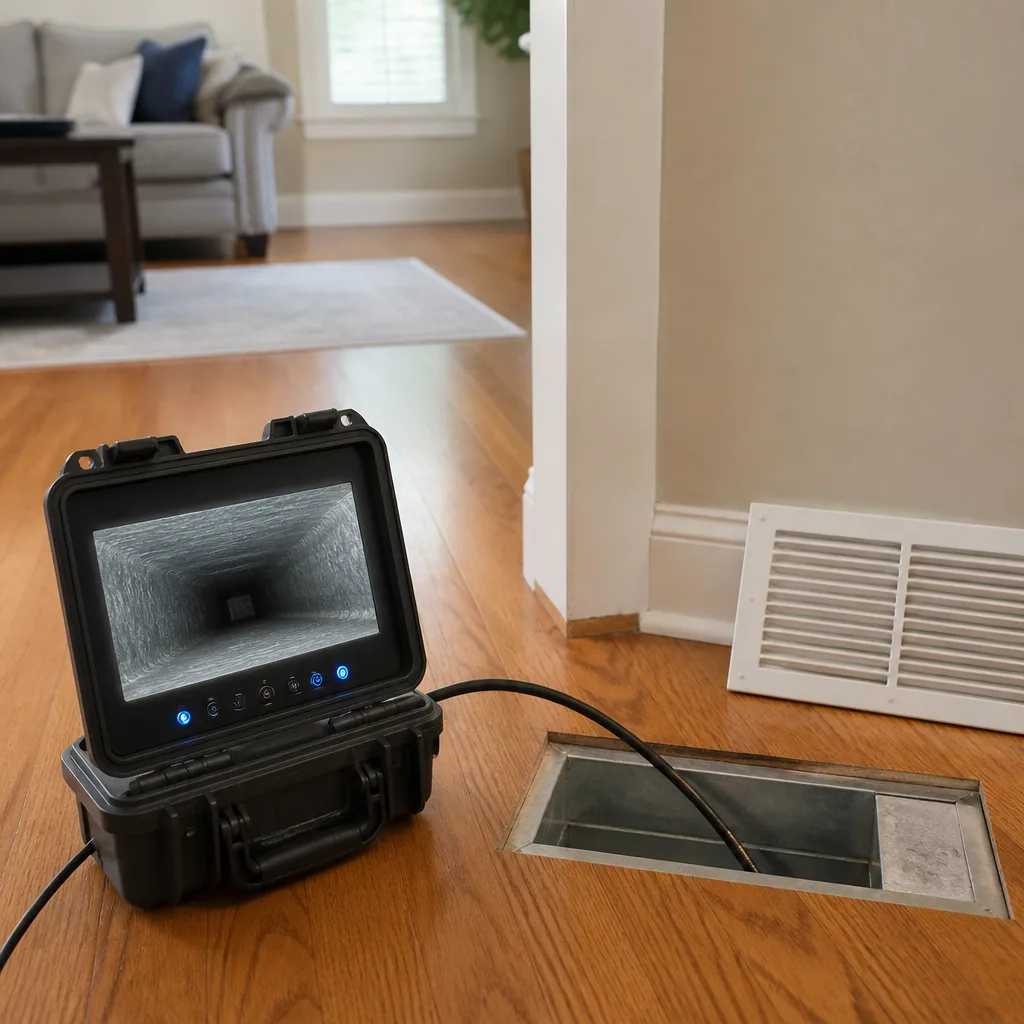 Camera inspection
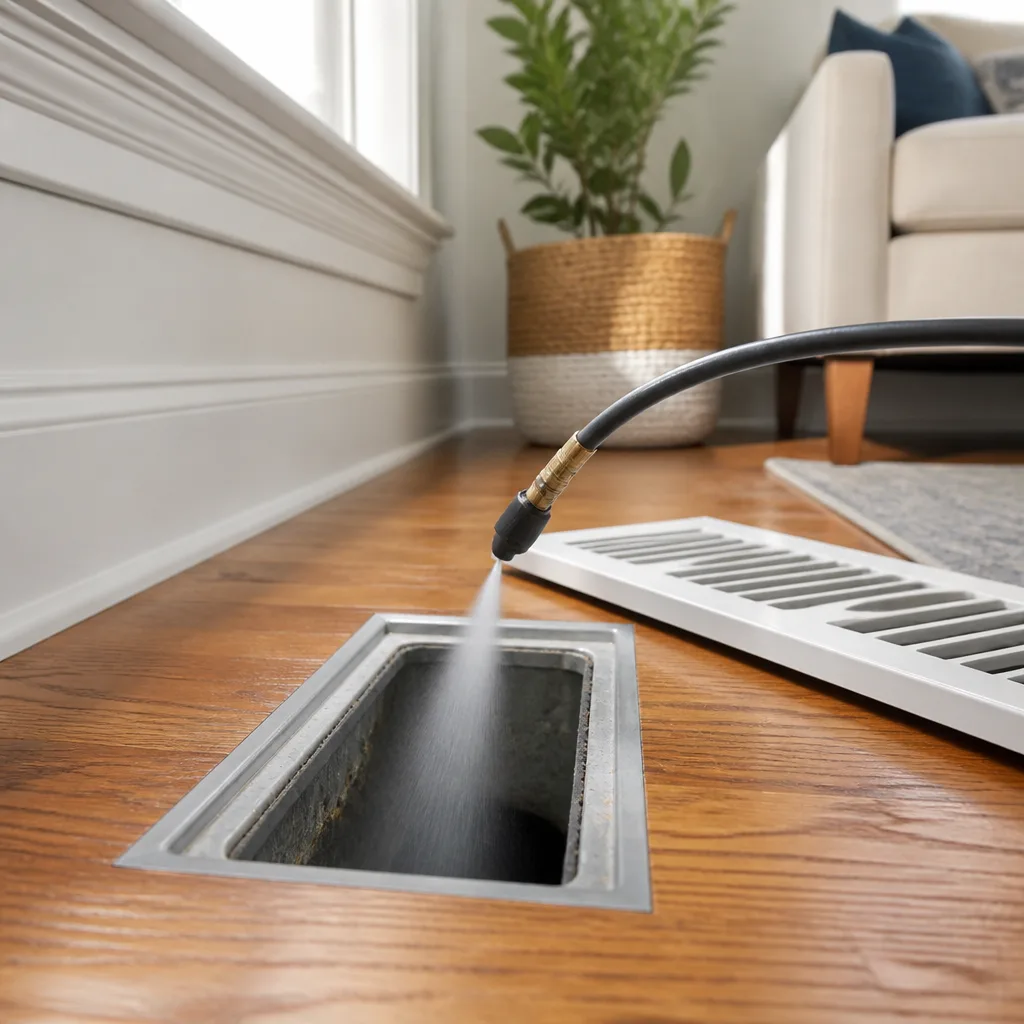 Sanitizing & deodorizing
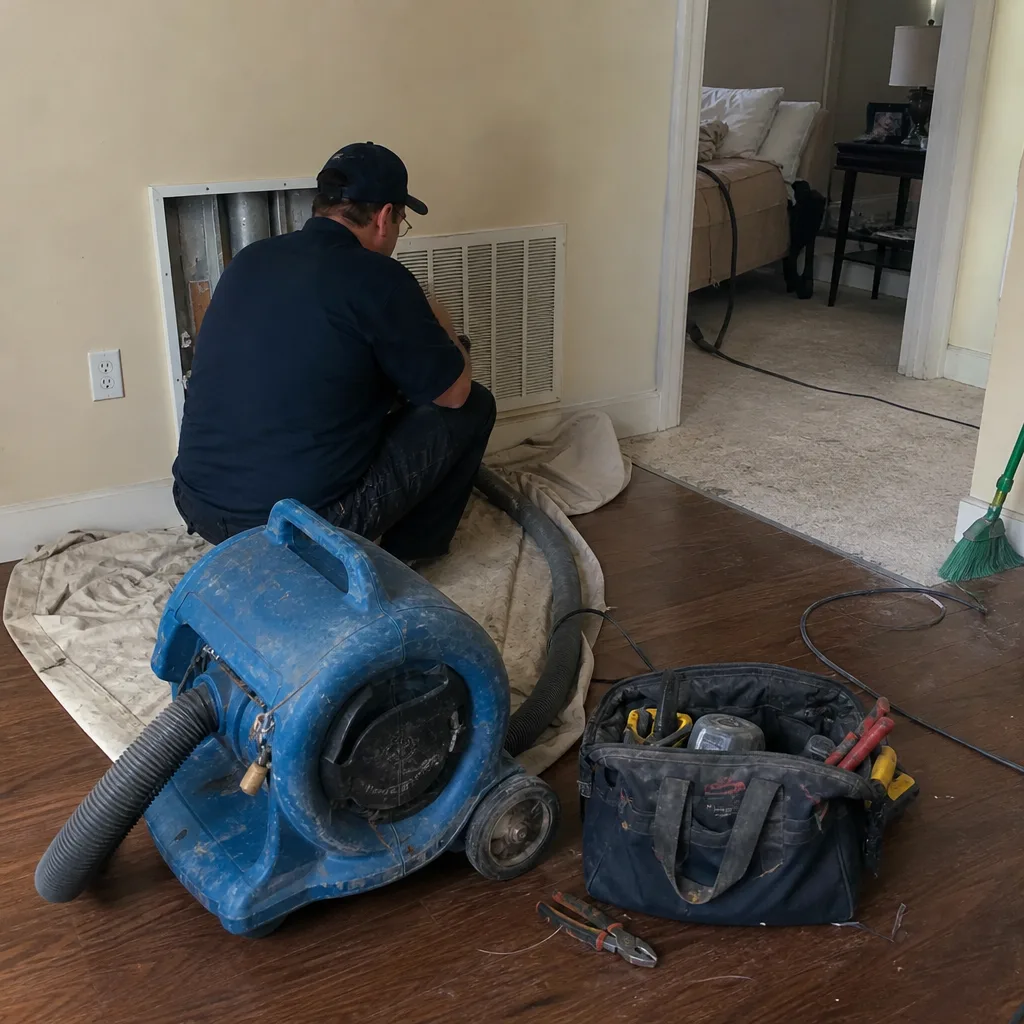
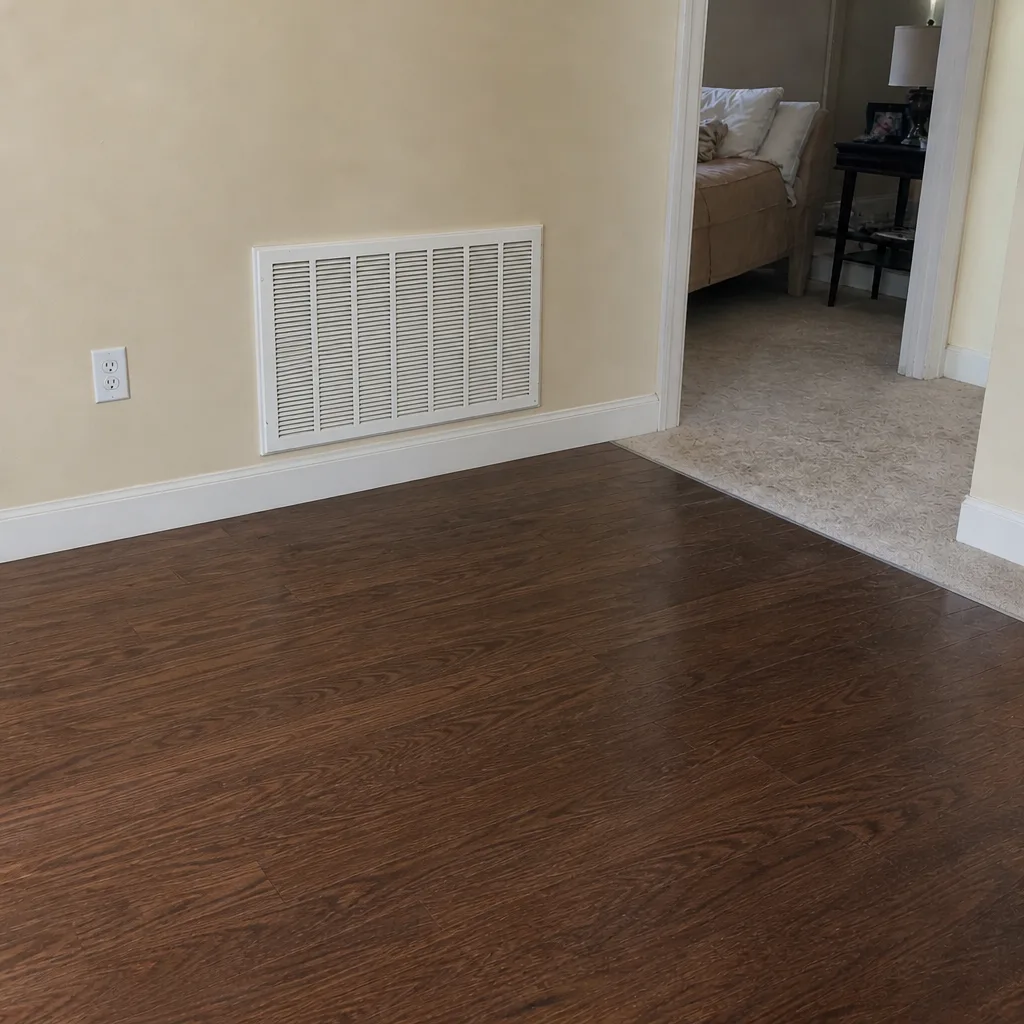
Whole-system duct and dryer vent check with before-and-after photos - you see exactly what came out of your vents
That "$99 whole-house special" is a bait ad - the real number appears once they are in your hallway, or the "clean" is a shop-vac at the register. We photograph the inside of your ducts before and after instead.
Seasonal Air Duct Cleaning Care for Bluffview: Year-Round Homeowner’s Guide
Most homeowners in Bluffview treat duct cleaning as a one-time chore, something to check off after a renovation or a move. That framing misses how a duct system actually behaves. The conditions inside your ducts change with the calendar. Spring loads them with pollen and construction dust. Summer pushes the blower hard for months on end. Fall brings a shift to heating, and winter seals the house tight while dry air keeps particles moving longer. A single cleaning addresses what’s in the ducts on the day it happens. A seasonal rhythm addresses why it got there. This guide maps each season to the specific checks and services that matter in Bluffview, so each year’s maintenance gets faster and more targeted than the last.
Quick Answer
In Bluffview, duct care works best as a rolling 12-month cycle, not a once-a-decade event. The highest-impact window for professional cleaning is late spring, after pollen season ends and before peak cooling begins. The rest of the year is about inspecting, sealing, and adjusting filtration as the HVAC system’s duty cycle changes season to season.
Styles & brands we work with
- Whole-home duct cleaning
- Dryer vent cleaning
- Camera inspection
- Sanitizing & deodorizing
Table of Contents
- How a Seasonal Duct Cycle Actually Works
- Spring: The Highest-Impact Cleaning Window in Bluffview
- Summer: What Peak HVAC Runtime Does to Supply Plenums
- Fall: Coil and Blower Checks Before Heating Season
- Winter: Dry Air, Sealed Houses, and Filter Loading
- How to Build a Rolling 12-Month Duct Log
- Signs You’ve Missed a Seasonal Window
- Common Mistakes to Avoid
- When to Call a Professional
How a Seasonal Duct Cycle Actually Works
A duct system is not a static container. It’s a pathway that sees constant traffic of air, moisture, and particles, and the character of that traffic changes with the seasons in North Texas. During cooling season, air moves through the system continuously. During heating season, it moves in bursts with longer off-cycles. Between the two, there are transition periods when the system runs less and dust settles more. Each phase loads the ducts differently, and each calls for a different response.
We’ve seen this play out across Bluffview homes consistently. A house that was cleaned in March may show visible dust film on return grilles by July, not because the cleaning was poor but because the cooling season pulled a summer’s worth of particles through an already-clean system. Meanwhile, a house cleaned in October can look decent through spring but carry a heavy pollen load into the cooling season, which then circulates through every bedroom.
The practical takeaway is that seasonal care has two distinct goals:
- Timing the deep clean for the point in the year when the system will stay cleanest longest.
- Monitoring the system during the phases when conditions shift, so small problems get addressed before they compound.
Air Duct Cleaning Bluffview approaches the seasonal cycle as a full-system practice, which means the inspection covers ducts, the air handler, the dryer vent, and the indoor air quality components together. Clean ducts are only part of the picture. What gets sealed, sanitized, and filtered matters just as much as what gets vacuumed out. If you’re new to how the equipment and process work, our air duct cleaning page walks through the process step by step.
Spring: The Highest-Impact Cleaning Window in Bluffview
Spring in North Texas isn’t just allergy season. It’s the period when pollen, construction dust, and increased HVAC cycling combine to load duct systems faster than any other three-month stretch. Oak, cedar, and grass pollen travel on the wind for weeks, and a running air handler is essentially a giant sieve that pulls everything airborne straight into the return system. Add the seasonal uptick in home renovations (spring and early summer are common renovation months here), and you have a duct system taking on more particulate in April and May than it will in any other window. That’s why late spring, right after the pollen peak fades, is the highest-impact window for professional cleaning in Bluffview.
Timing matters for two reasons. First, cleaning before summer means you start the heavy-runtime season with clean ducts, so the system pulls clean air for the months it runs hardest. Cleaning in July means you spend weeks re-dirtying a fresh system. Second, spring pollen doesn’t just sit on surfaces. It gets into the fine dust that coats the interior of supply runs and the return plenum, where a standard household vacuum can’t reach it. Professional-grade equipment is what actually pulls that bonded layer out.
A spring service call worth scheduling typically includes:
- A source-removal cleaning of the return and supply runs using Rotobrush or Nikro equipment, which agitates and extracts without degrading duct lining.
- Cleaning of the air handler cabinet, blower, and evaporator coil face, since the coil face is where pollen-laden air first contacts a wet surface.
- Replacement or review of the filter (this is the point in the year to check filter MERV rating against your system’s design spec).
- An inspection of any accessible duct joints for gaps or disconnected sections that let attic or crawlspace air mix in.
- An optional sanitizing step for homes where allergy symptoms are the driver, using Guardsman-line products.
The dryer vent cleaning service is often scheduled in the same visit, since spring is when many homeowners do their annual safety check on the laundry pathway. The lint that builds up in a dryer vent over a winter is a fire risk regardless of season, and the spring visit is a sensible anchor point.
Summer: What Peak HVAC Runtime Does to Supply Plenums
When the cooling season kicks in, the blower runs nearly continuously in most Bluffview homes. That runtime does two things to a duct system. First, it moves far more air through the supply runs than the heating season does, which means any dust that gets past the filter settles more densely on duct surfaces and grilles. Second, the supply plenum (the box immediately downstream of the air handler) is under constant positive pressure and full of cold, humid air. Where duct seams leak, that cold air condenses and creates a spot where dust sticks and stays stuck.
Summer is not usually the season for a full deep cleaning, unless the spring cleaning was missed. It is the season for observation. Watch for these signals during June through August in Bluffview:
- Visible dust plumes at supply registers when the system first kicks on. This is the clearest sign that dust has accumulated at the duct-to-register connection.
- Uneven cooling room to room that gets worse through the season. This often points to a leaking or disconnected supply run, not a refrigerant problem.
- A musty smell when the system runs. That’s the smell of moisture in the system, and the fix usually starts with a duct inspection, not with air fresheners.
- Higher-than-normal humidity indoors despite the system running. That’s often a duct sealing problem pulling in humid attic air.
This is where duct repair and sealing becomes the companion to cleaning. A supply plenum leak that lets attic air into the system isn’t fixed by vacuuming. It’s fixed by sealing the joint, so summer is the ideal season to schedule an inspection that includes looking for those leaks. The combined approach is what our HVAC cleaning service is built around, since the air handler, coil, and plenum are all part of the same inspection.
Fall: Coil and Blower Checks Before Heating Season
As the cooling season winds down in Bluffview, the system’s behavior changes. Cooling calls get shorter. The blower spends more time off. Before the heating season arrives in full, there’s a short window where the system is quiet enough to inspect without fighting its own airflow, and that window is the smartest time to look at the components that most affect air quality going into winter.
The two components that matter most in fall are the evaporator coil and the blower. The coil has spent summer wet and pulling air across its fins, which means by October it’s usually carrying a film of dust that got past the filter. That film matters in the heating season because the same duct system serves both modes, and a coated coil is a contaminant source that recirculates through the house even when the system is only heating. The blower wheel is the second component. It accumulates dust on the blades over the cooling season, and a fouled wheel loses efficiency in a way that shows up in every room.
A fall service call worth scheduling typically includes:
- Visual inspection and cleaning of the evaporator coil face and blower wheel (this is a task for a trained technician, since coils are fragile and the air handler cabinet is not a DIY access panel).
- Full inspection of accessible ducts for light or soiling, with comparison against the prior year’s notes.
- Replacement of the filter if it’s been loaded by summer dust.
- Review of the duct sealing status, since seasonal shifts can widen gaps at joints.
- Confirmation that the dryer vent is still clear and connected.
This is also a sensible time to think about indoor air quality treatment for allergy-prone households. Once the coil and blower are clean, a filter upgrade or a fresh treatment step holds that cleanliness through the heating months. We work with Aprilaire and Abatement Technologies filtration products because those systems are designed to work alongside the HVAC unit rather than interfering with it. Familiarity with those products matters here, because an air quality add-on that fights the system’s design is worse than no add-on at all.
Winter: Dry Air, Sealed Houses, and Filter Loading
Bluffview winters are mild, but the indoor experience is still a sealed-house experience. Windows stay closed. The heating system runs in cycles rather than continuously. Humidity drops, and the air inside becomes drier than it is the rest of the year. That combination has two consequences for duct care.
First, dry air keeps particles airborne longer. In humid summer air, dust tends to settle faster because moisture weighs particles down. In winter, the same particles float, which means they get pulled into the return system at a higher rate. That shows up as faster filter loading. A filter that lasted three months in summer might need attention sooner in winter, because more particulate is being captured per unit of running time.
Second, the closed house means there’s no fresh-air exchange unless the system provides mechanical ventilation. Whatever is in the ducts circulates repeatedly. If a duct system was left uncleaned through the fall, winter is when the concentrated effect shows up as stuffiness, static, or a musty smell in a bedroom that was fine in September. A simple indoor-air-quality call during winter often finds that the fix is a filter change plus duct inspection, not a full-system deep clean.
Practical winter steps worth taking in a Bluffview home:
- Check filter loading more often than the manufacturer’s recommended interval. Visual inspection beats a rigid calendar.
- Watch for musty or dusty smells in rooms that have been closed for weeks. The smell usually originates at the return grille.
- Have the ducts inspected if a winter cold snap arrives and the heating system changes behavior. A duct leak that mattered less in cooling season can matter more in heating season.
- Schedule an air quality treatment if allergy or asthma symptoms in the house get more pronounced in winter, since the sealed-house effect amplifies whatever is in the system.
Air quality and sanitizing service goes beyond debris removal because winter problems aren’t only about debris. They’re about what’s settled on surfaces the vacuum can’t reach and what’s circulating repeatedly through a closed house. Guardsman-line products used in the sanitizing step address surface contamination, while the cleaning step addresses the load itself.
How to Build a Rolling 12-Month Duct Log
The most useful thing you can do for seasonal duct care in Bluffview is keep a simple log. Not because paperwork is fun, but because the log is what makes each year’s maintenance faster and cheaper than the last. Without a log, every inspection starts from zero. With one, the technician has a reference point for what changed and what didn’t, and you get a clearer picture of whether your system is getting cleaner, staying stable, or drifting.
Here’s a numbered process for building the log:
- Start with a baseline. Have a professional duct inspection done once, and record what the system looks like on that date: duct condition, filter type, coil face condition, and any visible leaks. This is the reference page. If the ducts haven’t been cleaned before, the baseline may include a full air duct cleaning to establish a known-clean state.
- Record every filter change. Date and filter size. Over a year, this tells you whether your filter is loading faster in one season than another, which is real information about what’s happening in the system.
- Note the dates of any seasonal services. Spring cleaning, fall coil-and-blower check, winter air quality treatment. Keep the service dates and what was done. If a technician inspected the ducts and found one section showing more dust than the rest, that note is the seed of the next visit.
- Log observations between service calls. A musty smell in June. Visible dust at a bedroom register in August. Those one-line notes cost nothing and make the next inspection much more targeted.
- Review the log before each seasonal service call. Hand it to the technician, or mention it on the phone. A five-minute review shortens the inspection and lets the technician focus on the parts of the system showing change.
- Update the baseline annually. Each year’s spring cleaning becomes the new baseline. Over three or four years, a pattern emerges about how fast the system loads, and the maintenance cycle tightens or loosens to match.
We favor Rotobrush and Nikro equipment in part because both systems are built for documented cleaning: the process is inspectable, so the log’s before-and-after comparison is meaningful. A shop-vac job leaves no useful record, which means every seasonal check starts from scratch. The log is only as useful as the inspection that goes with it.
Signs You’ve Missed a Seasonal Window
Not every home in Bluffview runs the seasonal cycle on time, and the signs of a missed window are usually clear once you know what to look for. If two or more of these signals are present, the system is telling you it’s overdue:
- Visible dust on the return grille within weeks of a cleaning. That usually means a leak in the return duct is pulling dust into the plenum from outside the duct pathway.
- Allergy symptoms that track with HVAC runtime. If symptoms are worse when the system is running and better when it’s off, the ducts are the likely source.
- Musty smell in a specific room. One-room smells usually point to a disconnected or leaking branch run rather than whole-system contamination.
- Rising energy bills with no change in usage. A leaking duct system loses a meaningful amount of conditioned air, and the loss shows up at the meter.
- Dust settling on surfaces faster than usual. Every surface in the house dusts at the rate the duct system delivers particles to it.
- A home inspection flagging duct condition. Home inspectors flag duct soiling and insulation gaps routinely, and a pre-sale inspection is a good reason to schedule a documented cleaning.
Missed windows are recoverable. The repair is to bring the system back to a known-clean state, document the conditions, and restart the log with the current month as the new baseline.
Common Mistakes to Avoid
- Treating duct cleaning as a one-time purchase. A single cleaning addresses today’s load but not next spring’s pollen, next summer’s humidity, or next winter’s filter loading. Seasonal care is the practice, not the purchase.
- Scheduling the deep clean in the peak of summer. Cleaning in July in Bluffview means starting the highest-runtime season with a fresh-cleaned system that gets re-dirtied within weeks. Late spring, right after pollen fades, is the better timing.
- Skipping the coil and blower in fall. A duct cleaning that leaves a dirty evaporator coil untouched misses the biggest recirculation source in the system, and the system will re-soil the ducts through the heating season.
- Assuming a leaking duct fixes itself in cleaning. Vacuuming a duct with a gap or disconnect puts clean air into a dirty space. Duct repair and sealing has to be part of the same service plan, or the cleaning doesn’t hold.
- Ignoring the filter between seasonal calls. Winter filter loading in a sealed Bluffview house happens faster than most homeowners expect. Monthly or visual inspection beats the calendar on the box.
- Choosing on price alone. A low headline bid on duct cleaning often means a quick surface pass with generic equipment that leaves the fine dust in place. The bid that matters is the one built around the specific process, the equipment, and the scope.
- Never looking at the dryer vent. Lint accumulates year-round, and the dryer vent is part of the same seasonal maintenance cycle even though it isn’t part of the heating-and-cooling duct system. A spring or fall check keeps the risk from building.
When to Call a Professional
Some seasonal checks are homeowner-level: filter replacement, visual inspection of grilles, and noting new smells or dust patterns. The work that requires a professional is the work inside the system: removing bonded dust from supply and return runs, inspecting and cleaning the evaporator coil, sealing duct leaks, and sanitizing with products that are safe for the duct materials and the equipment. Those tasks are not a job for a hardware-store vacuum, and the coil blower cabinet isn’t a DIY access panel. If a return duct is disconnected, or you can see dust plumes at a supply register when the system kicks on, or the house smells musty when HVAC runs, that’s the point to bring in a trained technician. Air Duct Cleaning Bluffview offers free estimates in Bluffview; call (855) 337-1683 to schedule one. We answer 24/7. Fast dispatch from 7am to 7pm, Sunday through Friday.
See the difference
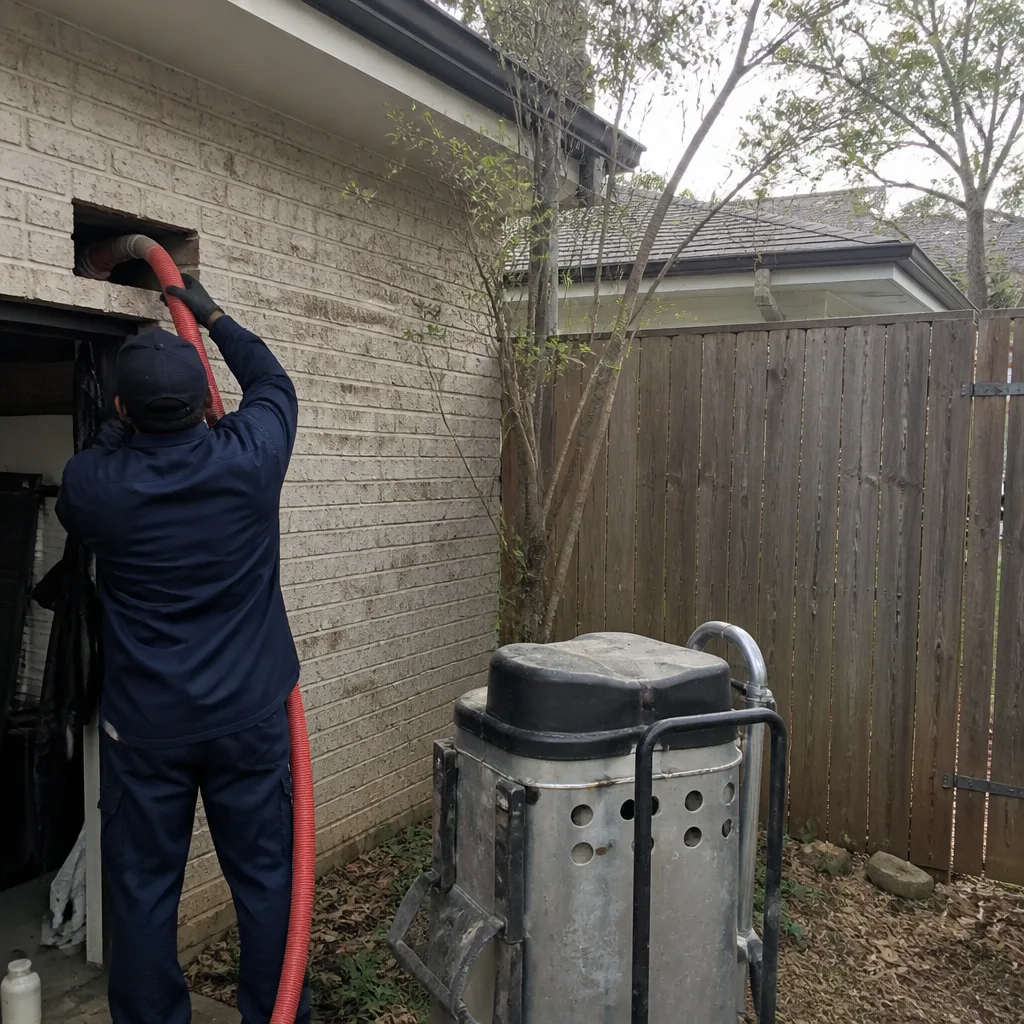 Before
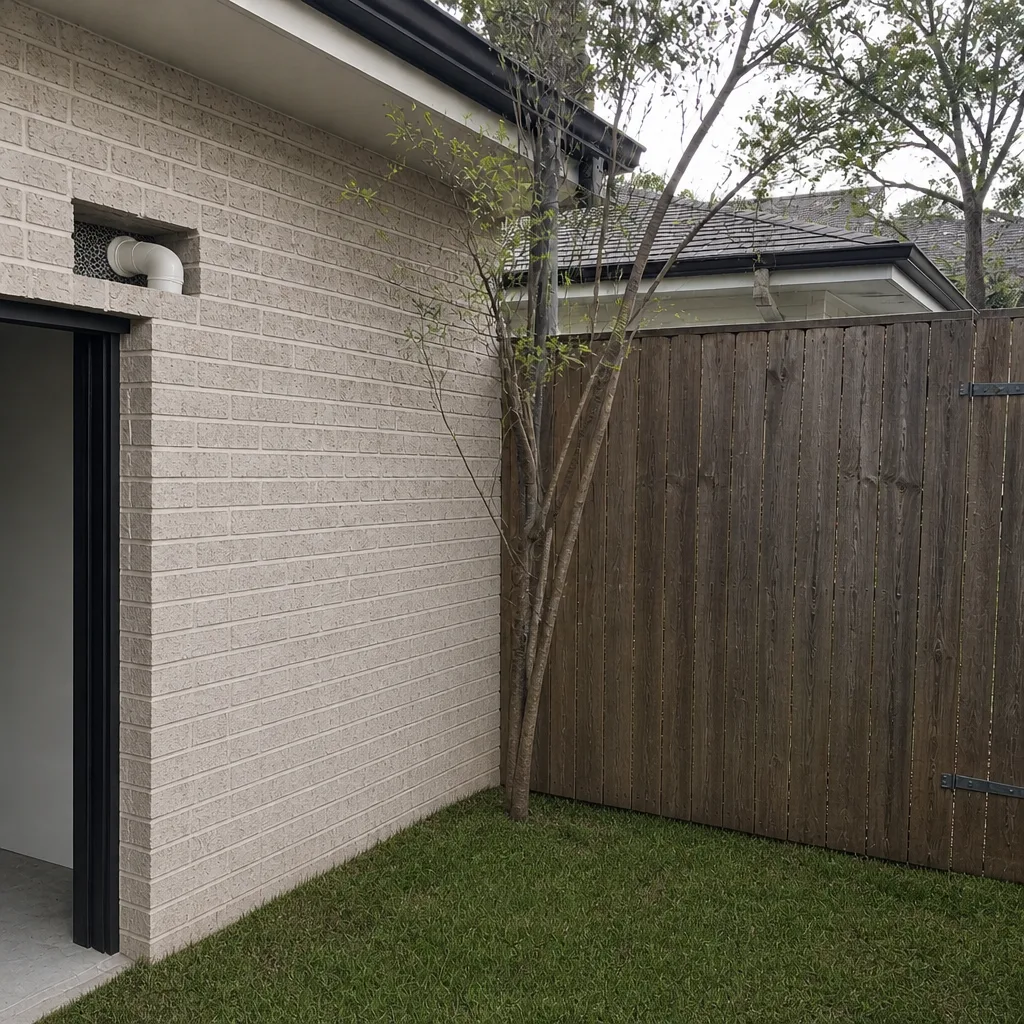 After
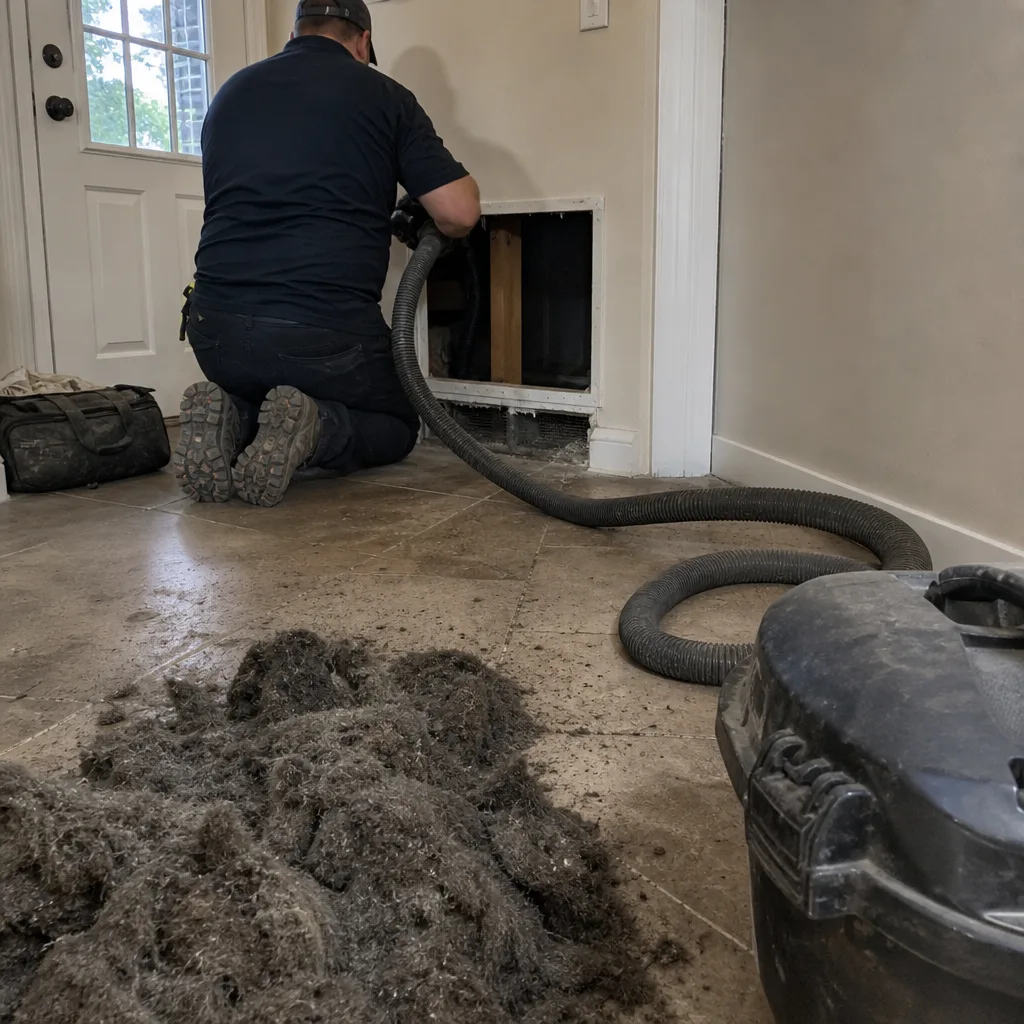 Before
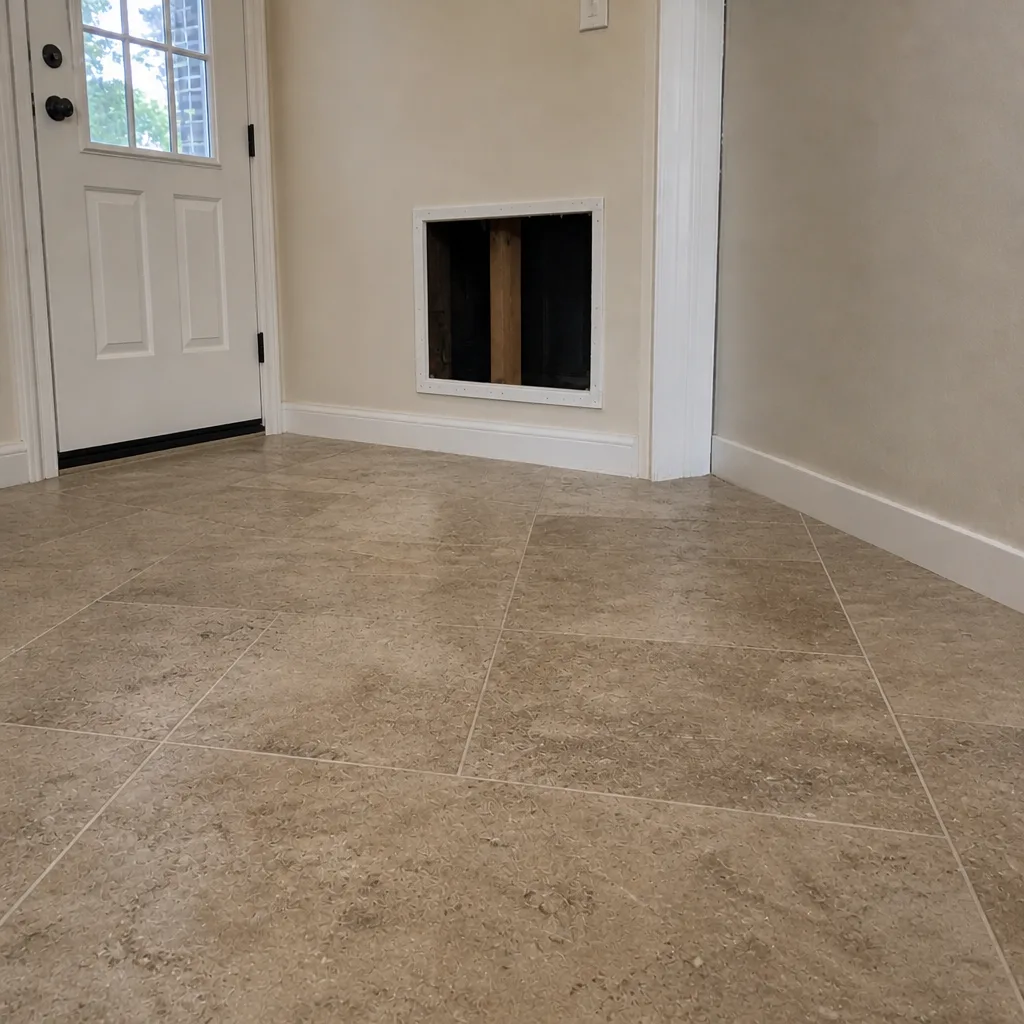 After
 Before
 After
Frequently Asked Questions
Most Bluffview homes fall into a three-to-five year cleaning cycle for the deep clean, but the seasonal checks should happen every year. The late spring window, after pollen fades and before peak cooling, is the best anchor point for the professional cleaning. Homes with pets, recent renovations, or allergy-prone residents often benefit from an earlier interval. Call (855) 337-1683 for an exact recommendation.
Yes. Late spring is the highest-impact window because it lands after the pollen peak and before the heaviest HVAC runtime. A cleaning done in March or early April catches some pollen, but a cleaning done in late April or May catches the full season. Starting the cooling season with clean ducts means the air handler pulls clean air during the months it runs hardest. Call (855) 337-1683 for an exact quote.
Summer brings continuous blower runtime, higher humidity, and the condensing conditions that make dust stick to supply plenum walls. Winter has short furnace cycles and lower humidity, which means less total air moves through the system. The summer load is real but isn’t a reason to clean in midsummer; it’s a reason to clean before summer starts. Call (855) 337-1683 for an exact quote.
Not a different service, but a different focus. Winter care is about filter loading in a sealed-house environment and about air quality treatment for households where symptoms increase indoors. Summer care is about inspecting for dust plumes and plenum leaks. Spring and fall are the two deepest service windows because the system is quieting down or gearing up. Call (855) 337-1683 for an exact quote.
Some of them, yes. Filter inspection, visual checking of grilles, and noting smells are all homeowner-level. Anything that involves opening the air handler cabinet, cleaning the coil, sealing duct joints, or inspecting duct interiors requires a trained technician, because those are either fragile components or connected to the electrical and refrigerant systems. The best DIY contribution is the log itself. Call (855) 337-1683 for an exact quote.
Start with a baseline inspection and a full cleaning if the ducts haven’t been serviced or the history is unknown. That service establishes a known-clean state, which becomes the first page of the log. Every seasonal check after that is faster and more targeted. The baseline cleaning also flags duct sealing, coil, and dryer vent issues in the same visit. Call (855) 337-1683 for an exact quote.
The Bottom Line
Seasonal duct care in Bluffview works because the conditions inside a duct system change with the calendar, and the smartest response is timing the deep clean to the season that leaves the system cleanest longest. Late spring is that window. Fall is for coil and blower inspection. Winter is for filter attention and indoor air quality treatment. The through-line is documentation: a simple log turns each season into a smarter, faster check than the last. Air Duct Cleaning Bluffview treats the whole system, using professional-grade Rotobrush and Nikro equipment and working with Honeywell, Aprilaire, Abatement Technologies, and Guardsman product lines to keep the ducts, air handler, dryer vent, and indoor air quality components working as one system.
Contact
If you’d like a free estimate for a seasonal duct cleaning in Bluffview, or a full-system inspection to establish a baseline, call (855) 337-1683. We answer 24/7. Fast dispatch from 7am to 7pm, Sunday through Friday. Our technicians have up to 12 years of experience, and the local pro is licensed and insured as their state requires. The estimate is free, and the final price is set by written estimate before work begins.
Written by the team at Air Duct Cleaning Bluffview.