
Last updated November 23, 2026
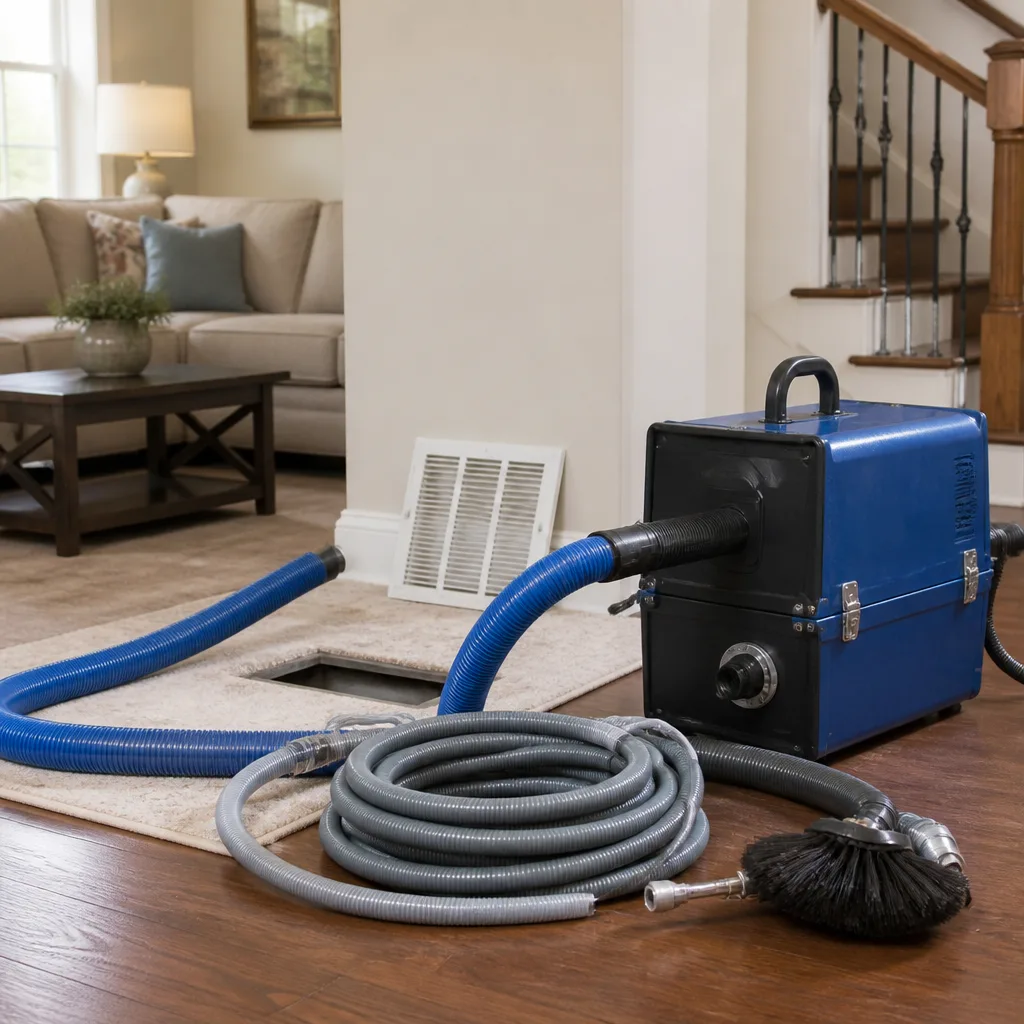 Whole-home duct cleaning
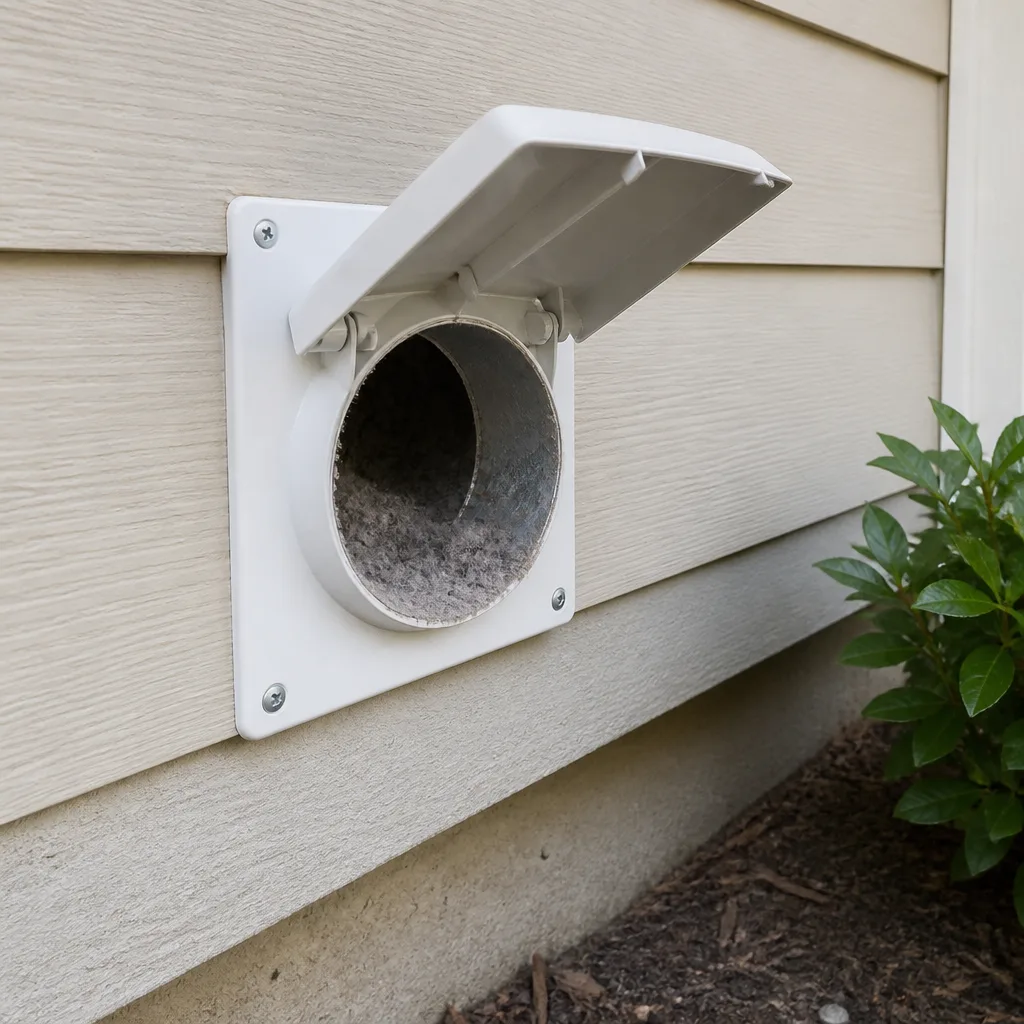 Dryer vent cleaning
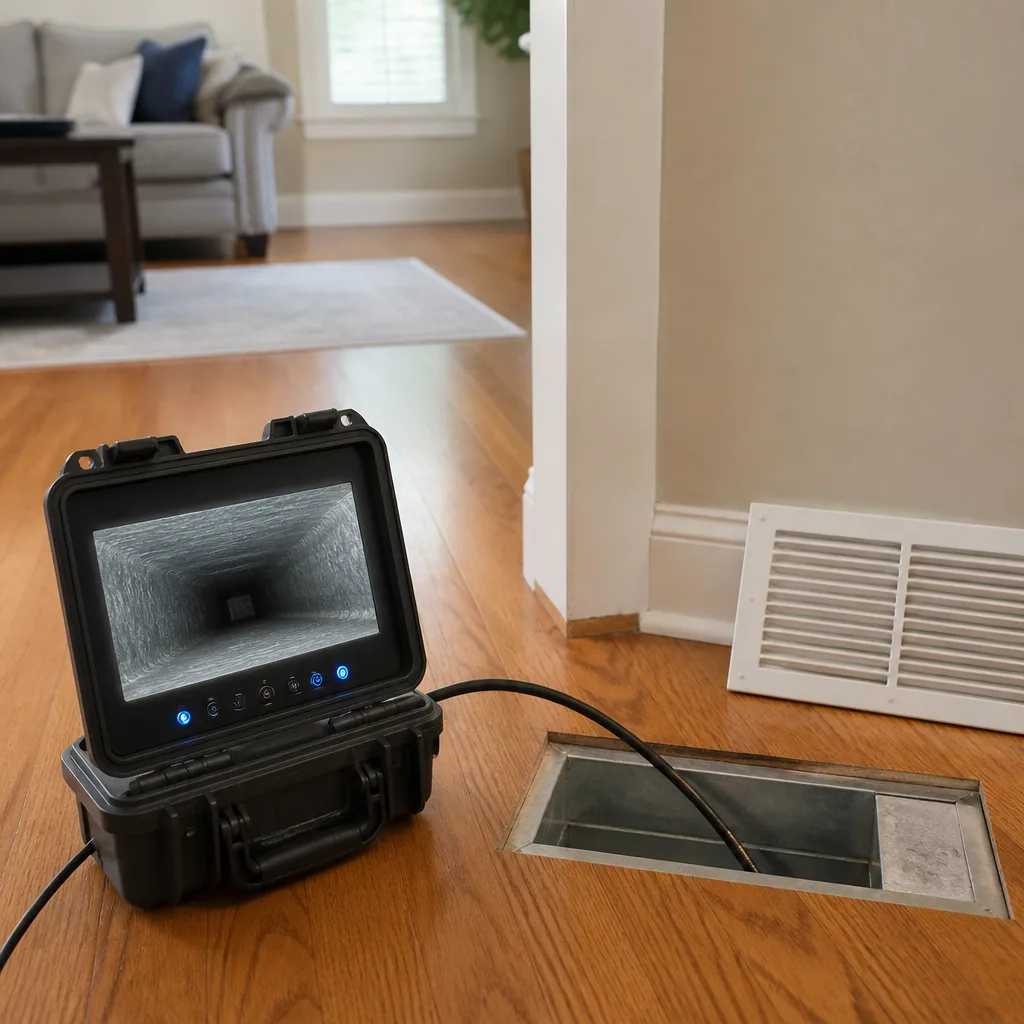 Camera inspection
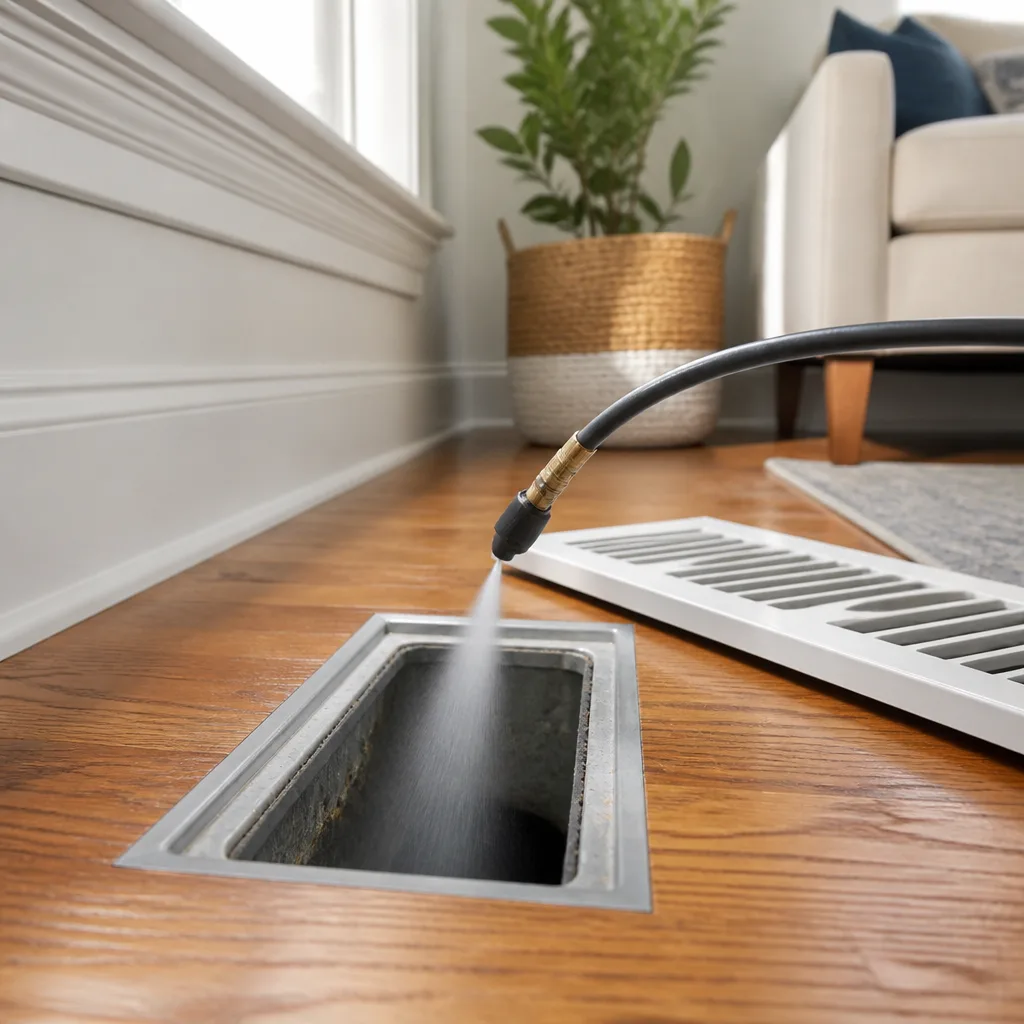 Sanitizing & deodorizing
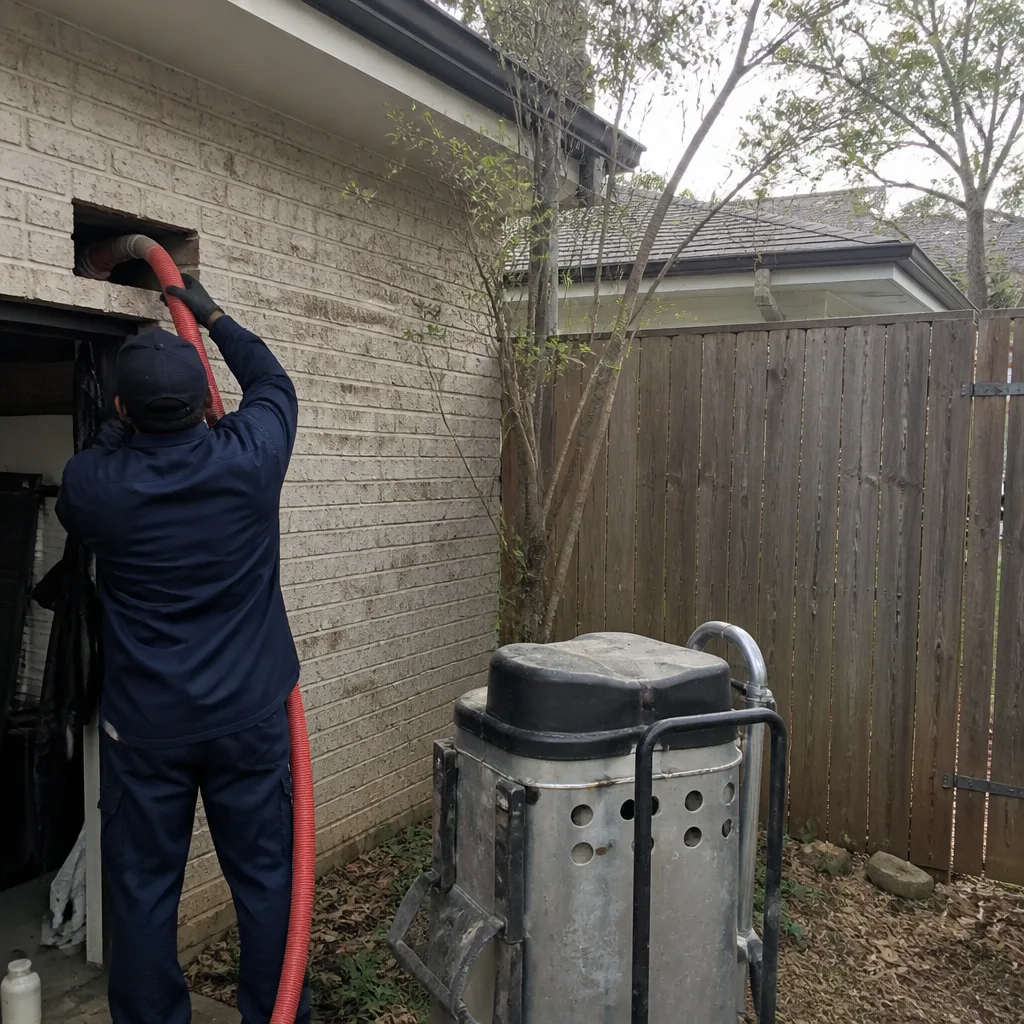
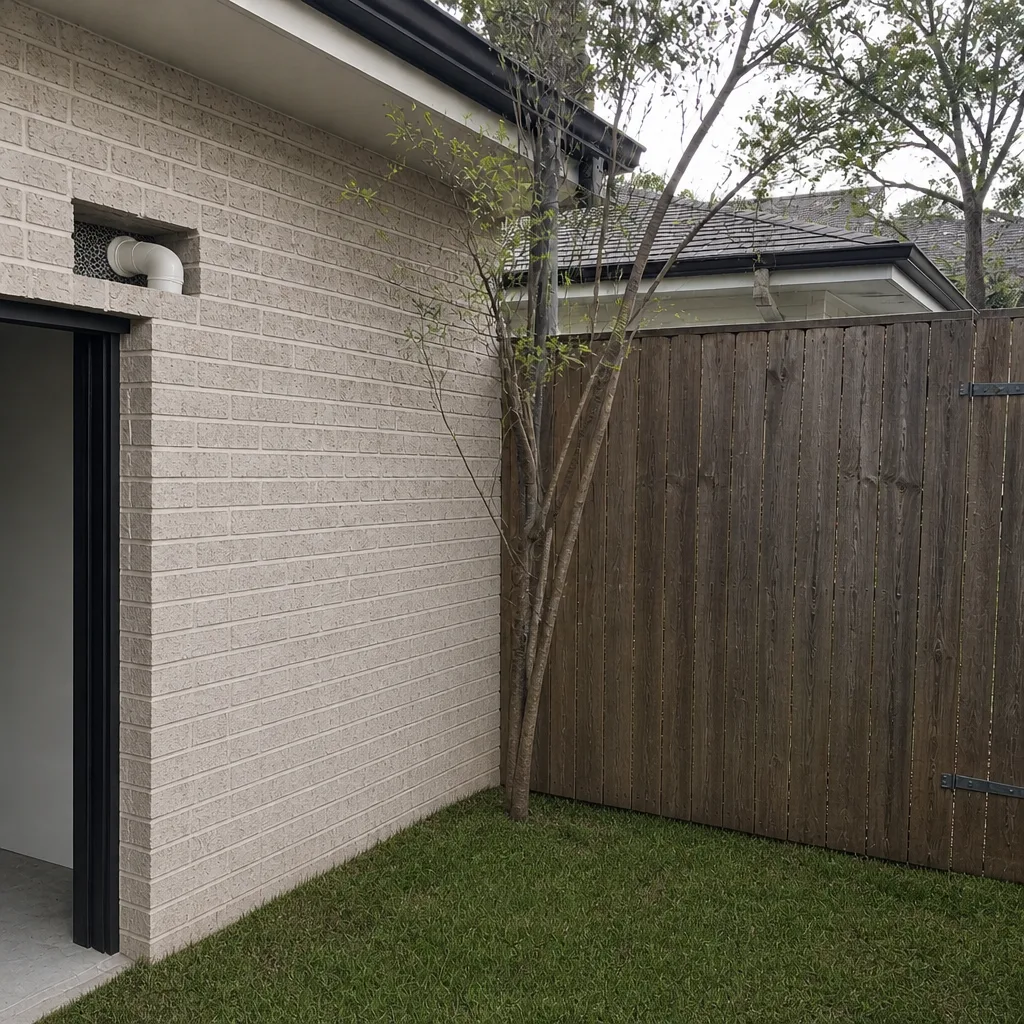
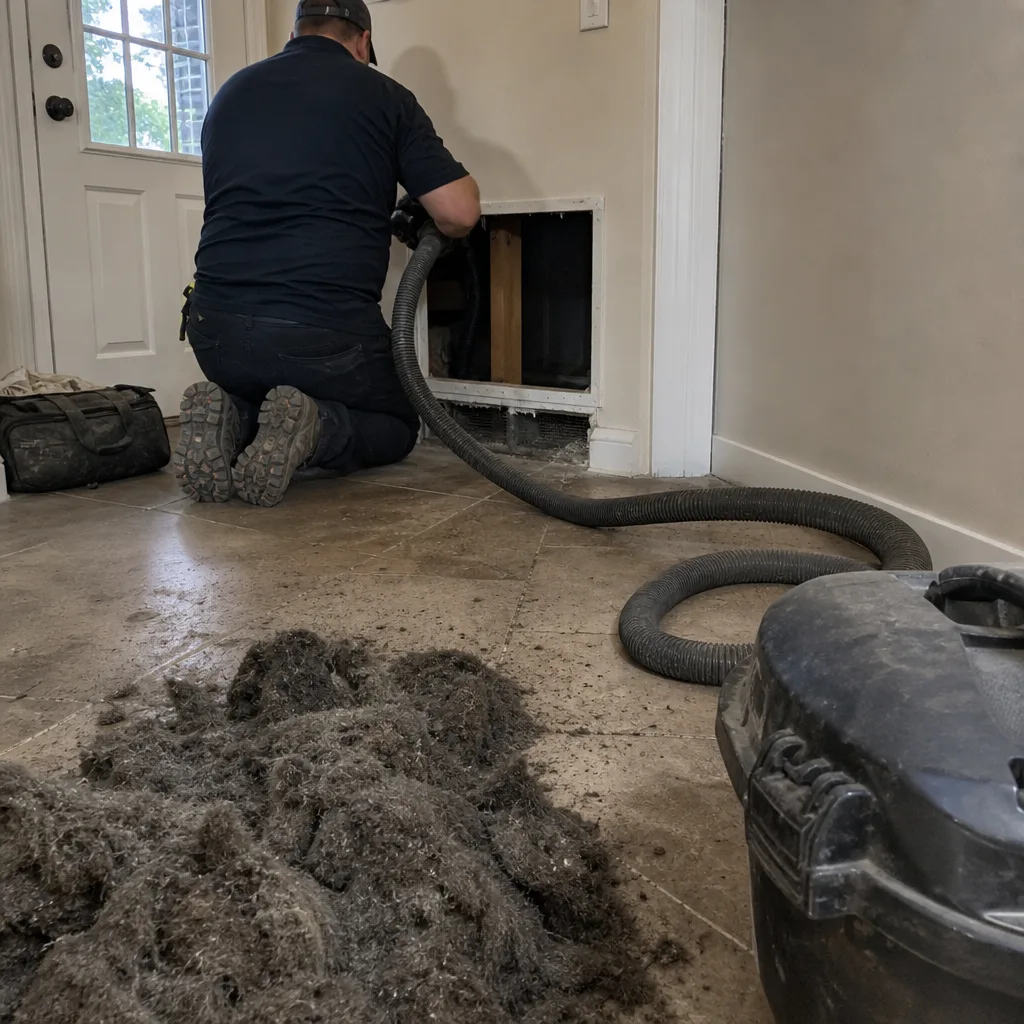
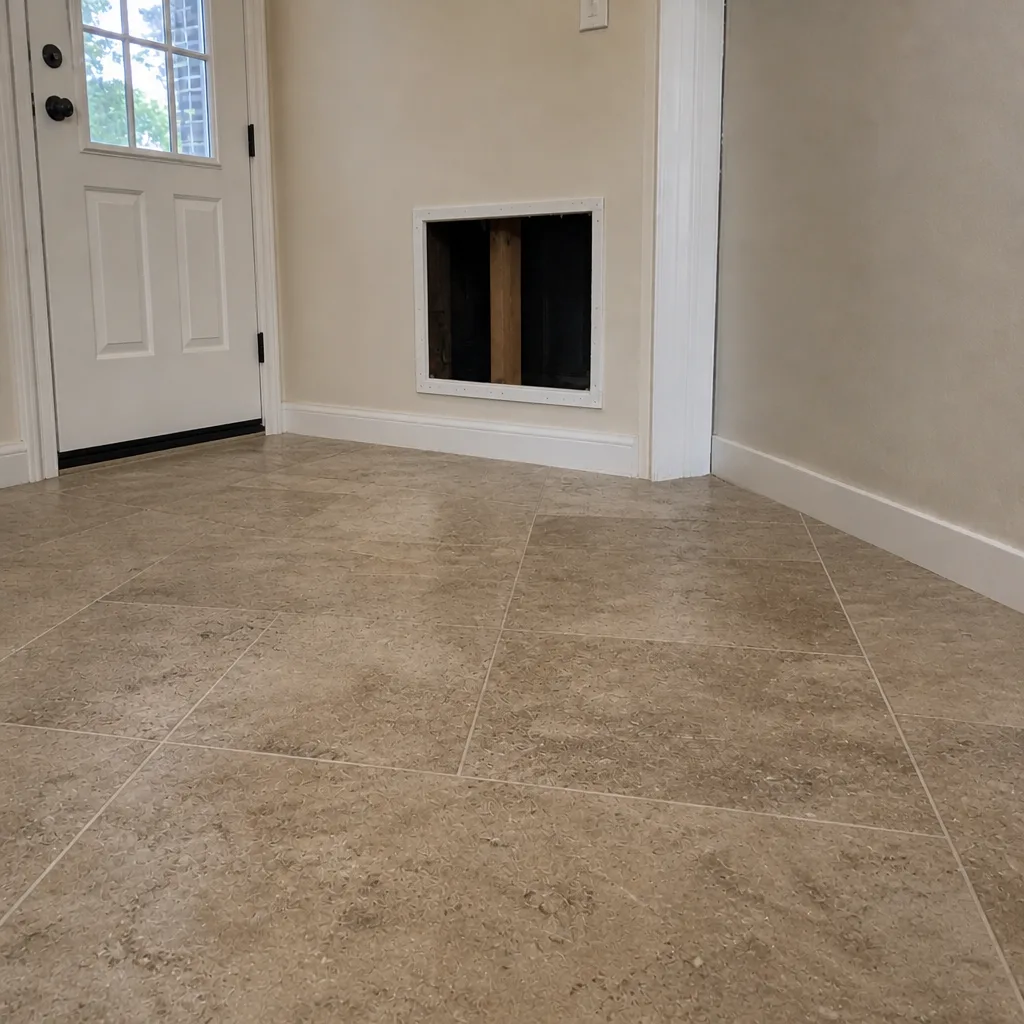
Whole-system duct and dryer vent check with before-and-after photos - you see exactly what came out of your vents
That "$99 whole-house special" is a bait ad - the real number appears once they are in your hallway, or the "clean" is a shop-vac at the register. We photograph the inside of your ducts before and after instead.
How to Hire an Air Duct Cleaning Contractor in Bluffview: A Step-by-Step Guide
A five-star review can’t tell you whether the technician who showed up used a truck-mounted negative air machine or a wet/dry shop vac from a big-box store. That single difference decides whether your ducts actually come clean or just get stirred up. Reviews measure friendliness, punctuality and price. They don’t measure cubic feet per minute of suction, agitation method, or whether anyone sealed the registers before starting. This guide teaches you to vet an air duct cleaning contractor in Bluffview through equipment and process questions, the parts of the job a review can’t score. You’ll learn the three questions to ask before booking, how to verify certification claims, how to read a quote for what it omits, and what a finished job should hand you in writing.
Quick Answer
Hire an air duct cleaning contractor in Bluffview by asking three equipment questions first (vacuum type, CFM rating, agitation method), verifying any certification claim directly with the issuing body, and insisting on a written scope before work starts. A thorough contractor will walk your system with you, photograph the interior before and after, and hand you a written record of what was cleaned. Price matters, but a low quote that skips negative air pressure and agitation is not a discount; it’s a different, lesser service.
Styles & brands we work with
- Whole-home duct cleaning
- Dryer vent cleaning
- Camera inspection
- Sanitizing & deodorizing
Table of Contents
- Why the Hiring Process Is the Only Real Quality Filter in Bluffview
- The Three Equipment Questions to Ask Before You Book
- Why NADCA Certification Matters and How to Verify It
- Red Flags in Quotes: What “Whole-House Special” Pricing Usually Omits
- How to Structure the Walkthrough Before Work Begins
- Post-Job Deliverables to Expect From a Serious Contractor
- When Cleaning Isn’t Enough: Repair, Sealing and Sanitizing
- What Bluffview Homes and Climate Ask of a Duct Contractor
Why the Hiring Process Is the Only Real Quality Filter in Bluffview
Texas does not require a state license to clean air ducts. That’s the fact most homeowners in Bluffview never hear, and it changes everything about how you should shop. There’s no licensing board to check, no exam to pass, no continuing education requirement. Anyone with a vacuum and a business card can put “duct cleaning” on a van. In a licensed trade like electrical or plumbing, the license does part of the vetting for you. In duct cleaning, that work falls entirely on the person making the call.
The industry knows this about itself. The National Air Duct Cleaners Association, usually shortened to NADCA, exists largely because there was no government standard to point to. It publishes cleaning standards, an assessment protocol and a certification path for individuals and firms. Those voluntary standards are the closest thing to a quality floor in the trade, and they’re only as good as your willingness to check them.
In our experience, the gap between a professional job and a cheap one isn’t visible from the curb. Two vans can park in the same Bluffview driveway, and one crew can spend four hours pulling a documented, negative-pressure clean through every branch line while the other spends ninety minutes running a shop vac over the visible floor registers. The invoice might look similar. The result in your ductwork is not.
That’s why this guide is structured the way it is. We’re not going to tell you to read reviews (though they’re worth a look) or to pick the lowest bid (don’t). We’re going to give you the specific, technical questions that separate a real duct cleaning from a surface wipe-down, so the hiring process itself does the filtering.
The Three Equipment Questions to Ask Before You Book
Ask these three questions on the phone, before anyone schedules a visit. A contractor who does this work well will answer them without hesitation and in specific terms. A contractor who doesn’t may get vague, change the subject, or promise a price over the phone without ever seeing your system. Vague answers are your most useful signal.
1. What kind of vacuum do you use, and is it negative pressure?
Professional duct cleaning works by pulling the whole system into negative pressure, so loosened debris travels out of the house instead of into the living room. That requires a high-volume vacuum connected to the main trunk line or a designated access point, usually with the registers sealed during the process. A shop vac or a portable canister vacuum can’t create that pressure differential across a whole house. If the answer involves the words “shop vac,” “portable” or “we just clean what we can reach,” you’ve learned what you need to know.
2. What’s the CFM rating of your equipment?
CFM means cubic feet per minute, the measure of air volume a machine moves. It’s the difference between a system that can evacuate a whole trunk line and one that can only grab what’s directly in front of the nozzle. Professional truck-mounted or high-capacity portable units move a volume of air that consumer equipment can’t match. You don’t need to know the exact number for a specific house, but a contractor should know their own equipment’s rating and be able to explain why it matters. The answer “I’d have to look it up” from a technician who cleans ducts every day is not reassuring.
3. What’s your agitation method?
Vacuum alone doesn’t remove dust that’s bonded to duct walls. Agitation loosens it so the air stream can carry it away. Professional systems use rotating brushes, air whips or compressed-air tools sized to the duct material, because flexible duct, sheet metal and fiberglass board each need different treatment. Ask what they use and whether it’s matched to your duct type. A crew that only has one tool for every duct surface is a crew that hasn’t thought much about surfaces.
When we clean ducts in Bluffview, the equipment on the job is Rotobrush and Nikro professional systems, chosen for exactly these reasons: real negative pressure, real CFM and agitation tools matched to the ductwork. That’s the standard we’d hold any contractor to, including ourselves. If you want to see how a full-system clean is structured, our air duct cleaning page walks through the process.
Why NADCA Certification Matters and How to Verify It
NADCA certification isn’t a law and it isn’t a guarantee, but it’s a meaningful signal because it’s voluntary, it requires training and testing, and it can be checked. The catch is that plenty of companies display a certification logo on their website without holding an active certification. A logo is not a credential. Verification is on you, and it takes about five minutes.
How to verify a certification claim
- Ask the contractor, in writing (email is fine), whether the individual technician or the firm holds the certification, and get the certificate holder’s name as listed with the association.
- Go to the association’s own directory and search. Legitimate certification bodies publish a lookup for consumers; use it rather than relying on a website badge.
- Check whether the certification is current. Certifications expire and require renewal. An expired credential is not a credential.
- Ask who will actually be on site. A firm-level certification means the company committed to standards; an individual certification tells you the person doing the work was trained and tested. Both are good; neither is a substitute for the equipment questions above.
You can extend the same skepticism to other claims. “Licensed and insured” appears on nearly every duct cleaning website in Texas, and as noted, there’s no state duct cleaning license to hold. What a contractor can and should carry is general liability insurance and workers’ compensation. Ask for a certificate of insurance naming the business, not just a verbal yes. That’s a reasonable request and a professional won’t blink at it.
Red Flags in Quotes: What “Whole-House Special” Pricing Usually Omits
The “whole-house special” is the oldest pricing trick in this trade, and it works because it’s not technically false. The quoted number is real. What’s left out of it is where the real work lives. Before you book anything, ask what the number covers, and watch for these omissions.
What a teaser price typically leaves out
- Access work. A real clean reaches the trunk lines and branch runs, which may require cutting access openings and sealing them afterward. A cheap quote often cleans only the returns and floor registers, which are the easiest to reach.
- Agitation. Without it, bonded dust stays put. If the price doesn’t include agitation tools and time, it’s a vacuum pass, not a clean.
- The air handler and blower. The coil, blower and cabinet are where a lot of debris collects and where airflow gets restricted. Cleaning “the ducts” while leaving the air handler untouched is partial work. That belongs in HVAC cleaning, and a thorough quote addresses it or explains why it’s separate.
- Sanitizing. If a home has musty odors, visible microbial growth or a post-renovation situation, treatment is a separate step with its own products and time. A quote that promises a “deep clean” for a flat low price is not budgeting for it.
- Verification. Before-and-after photos and written scope cost a contractor time. Cheap quotes almost never include them.
How to compare two quotes fairly
Don’t compare headline numbers. Ask each contractor for a written scope that lists: which components will be cleaned (supply, return, trunk, branches, air handler), what equipment will be used, whether access cuts are included, whether agitation and sanitizing are included or optional, and what documentation you’ll receive afterward. Put the two scopes side by side. The price difference usually stops looking mysterious once you can see what each number actually buys. A written estimate that sets one flat price for the whole system, agreed before work starts, is the format to insist on.
How to Structure the Walkthrough Before Work Begins
A thorough contractor will want to inspect your system before quoting or starting. This walkthrough is your best chance to see whether they know what they’re doing, so structure it deliberately. Ask them to walk the house with you and narrate what they’re seeing. A confident specialist will. Someone who wants to skip straight to the equipment is telling you something.
What a thorough contractor inspects first
- The air handler and filter. Filter condition, filter fit and the blower compartment tell the contractor how much debris the system is moving and whether filtration is doing its job. A filter that’s bypassing air around its frame is a common find.
- The return side. Returns carry the most debris. Ask how they’ll access and clean return trunks and whether the return plenum is included.
- The supply trunks and branch runs. The contractor should check for disconnected joints and crushed runs, because cleaning a leaking duct just distributes the debris. This is also where a repair conversation begins.
- Visible contamination. Look inside a register together with a flashlight. If there’s heavy dust or growth, ask how it will be treated, not just removed.
- Access points. Ask where they’ll need to cut in and how they’ll seal afterward. No access cuts on a system that needs trunk cleaning is a red flag.
- The dryer vent. It’s a separate system but a common fire risk. A contractor who also handles dryer vent cleaning will check it during the walk, and you should let them.
During the walk, the contractor should be building the written scope with you, not just sizing up the job. By the end you should know exactly what’s included, what’s optional, and what the flat price covers. If the number changes when they arrive after being quoted over the phone, that’s another useful signal.
Post-Job Deliverables to Expect From a Serious Contractor
When the work is done, you should be able to verify it happened and happened completely. A contractor who documents the work has nothing to hide, and asking for documentation up front is one of the best ways to screen out the ones who don’t. Expect these deliverables from a serious operator.
- Before-and-after photos. Interior shots of registers, trunk lines and the air handler taken before and after cleaning. Photos of your own ducts, not stock images.
- Airflow readings. A measurement at registers before and after, so you can see whether airflow improved. This is especially useful if you booked the job because rooms felt stuffy.
- A written scope of what was cleaned. A document listing every component serviced, access points cut and sealed, and any treatment applied. Keep it for your records and for any future home inspection.
- Any repairs documented. If a joint was resealed or a run reconnected, it should be noted with a photo.
- Filter recommendations. A note on the right filter type and change interval for your system, based on what they saw at the air handler.
If a contractor can’t tell you what you’ll receive when the job is finished, ask before booking. The answer matters more than the price. A documented clean and an undocumented one are different products, even at the same price.
When Cleaning Isn’t Enough: Repair, Sealing and Sanitizing
Cleaning removes what’s in the ducts today. It doesn’t fix the reasons it got there, and it doesn’t address what’s growing on the surfaces. That’s why duct repair and sealing belongs in a serious conversation about air quality, and why many single-task cleaners can’t help once they’ve finished the vacuum pass.
Duct repair and sealing
Leaky ducts pull unfiltered air from attics, garages and crawl spaces, and they lose conditioned air before it reaches the living space. Sealing leaky joints and reconnecting disconnected runs is often the single biggest airflow improvement in an older home. A contractor who offers cleaning only will refer you elsewhere for this. One question worth asking: “Can you repair and seal what you find?” If the answer is no, cleaning alone won’t solve a system that’s leaking.
Air quality and sanitizing
If the walk turned up musty odors, visible growth or heavy debris after a renovation, cleaning is the first step and treatment is the second. Sanitizing targets microbial and allergen concerns on the duct surfaces after the debris is removed, and it’s not a substitute for cleaning. We work with Guardsman-line products for the treatment and protection phases, and we’re familiar with whole-system air quality equipment from Honeywell, Aprilaire and Abatement Technologies. If your goal is filtration or humidity control beyond a cleaning, that’s a conversation to have with someone who works on the whole air path, not just the duct interior.
The full picture
Ducts, dryer vents, the HVAC system and air quality treatment are one pathway. A problem that shows up as dust in the living room can start at the filter, travel through a leaking return, and terminate in a disconnected run. Treating the whole system, not just the visible parts, is how a lasting result gets built.
What Bluffview Homes and Climate Ask of a Duct Contractor
Bluffview sits in a part of Texas where the cooling season is long and the heating season is short and mild. That shapes what ducts face. Systems here run hard for much of the year, and the air moving through them carries the dust, pollen and construction debris that come with a growing city. When the ducts are working properly, a lot of that gets filtered out. When joints are leaking, it gets pulled into the system from unconditioned spaces.
What this means for hiring in Bluffview is straightforward. Ask about cooling-season performance: whether the contractor will check airflow at the registers most affected by long run times, whether the return path is a focus of the clean, and whether they’ll look at the air handler and coil where a summer of run time puts the most strain. The mild winters mean you’re less likely to be dealing with cold-season concerns and more likely to be dealing with a system that’s been running continuously for months. A contractor who understands that will build the scope around it.
Bluffview also has a mixed housing stock, and what’s in the attic varies from house to house. Some systems are flexible duct, some are sheet metal, some are a combination. That’s why the agitation question matters here as much as anywhere: the tool appropriate for one run isn’t appropriate for another. A contractor who answers “we use rotating brushes on everything” hasn’t asked what’s in your attic. One who asks which duct type you have before recommending a method is the one to book.
If you want to see how we approach a whole-system clean in Bluffview, start at our Air Duct Cleaning Bluffview page.
Common Mistakes to Avoid
- Booking on price alone. The lowest quote in Bluffview is often a vacuum pass over accessible registers, not a whole-system clean. Ask what’s included, not what it costs, before you decide.
- Accepting a phone quote as final. A real contractor prices the job after seeing the system. A firm number quoted without a walkthrough is either a guess or a teaser.
- Not asking about access cuts. If the quote doesn’t mention where they’ll cut in and how they’ll seal, the trunk lines may not be getting cleaned at all.
- Trusting a certification logo. Verify it with the issuing association directly. A badge on a website is not proof of a current certification.
- Skipping the repair conversation. Cleaning a duct system with disconnected or leaking runs is temporary work. Ask whether repair and sealing are available.
- Letting the dryer vent go. It’s a separate fire risk and a common oversight. Ask whether it’s included or can be added.
- Not asking for documentation. If you don’t get before-and-after photos and a written scope, you can’t verify the work happened. Ask before booking, not after.
See the difference
 Before
 After
 Before
 After
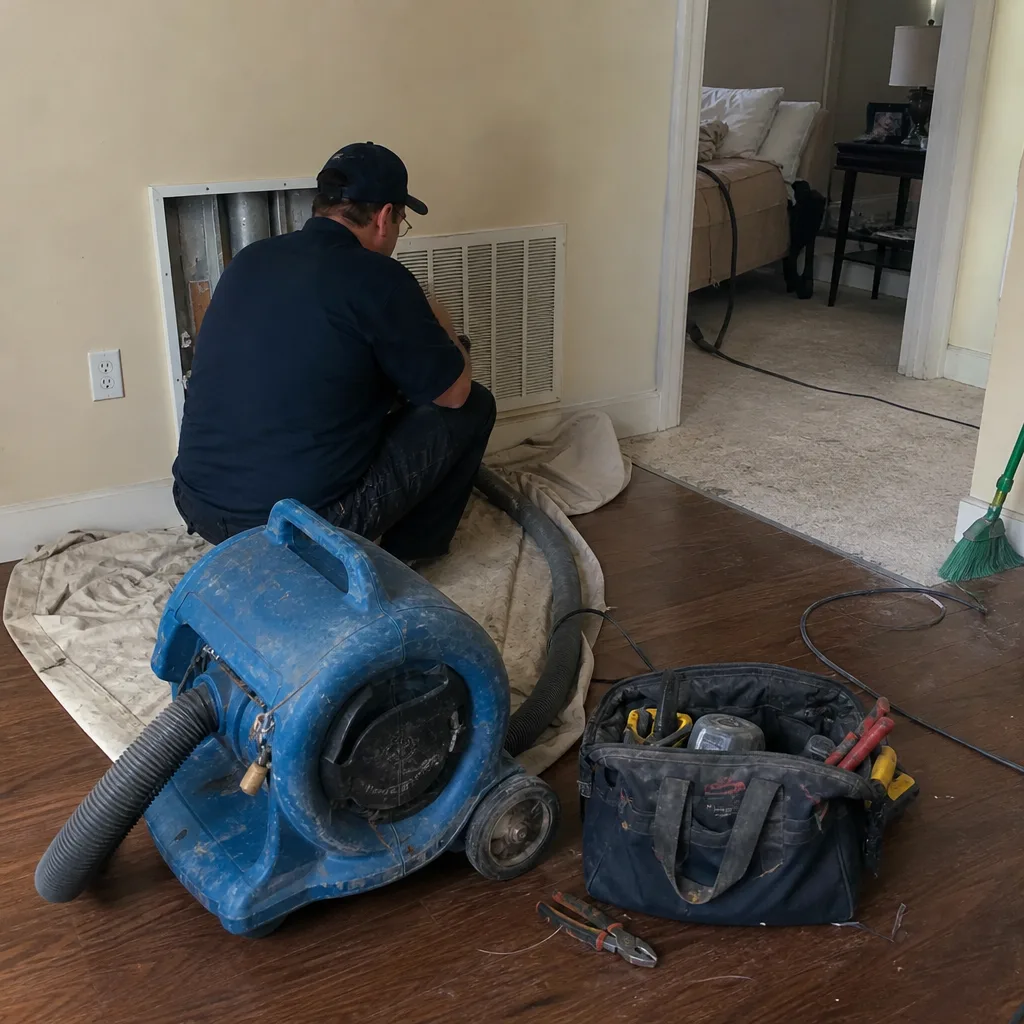 Before
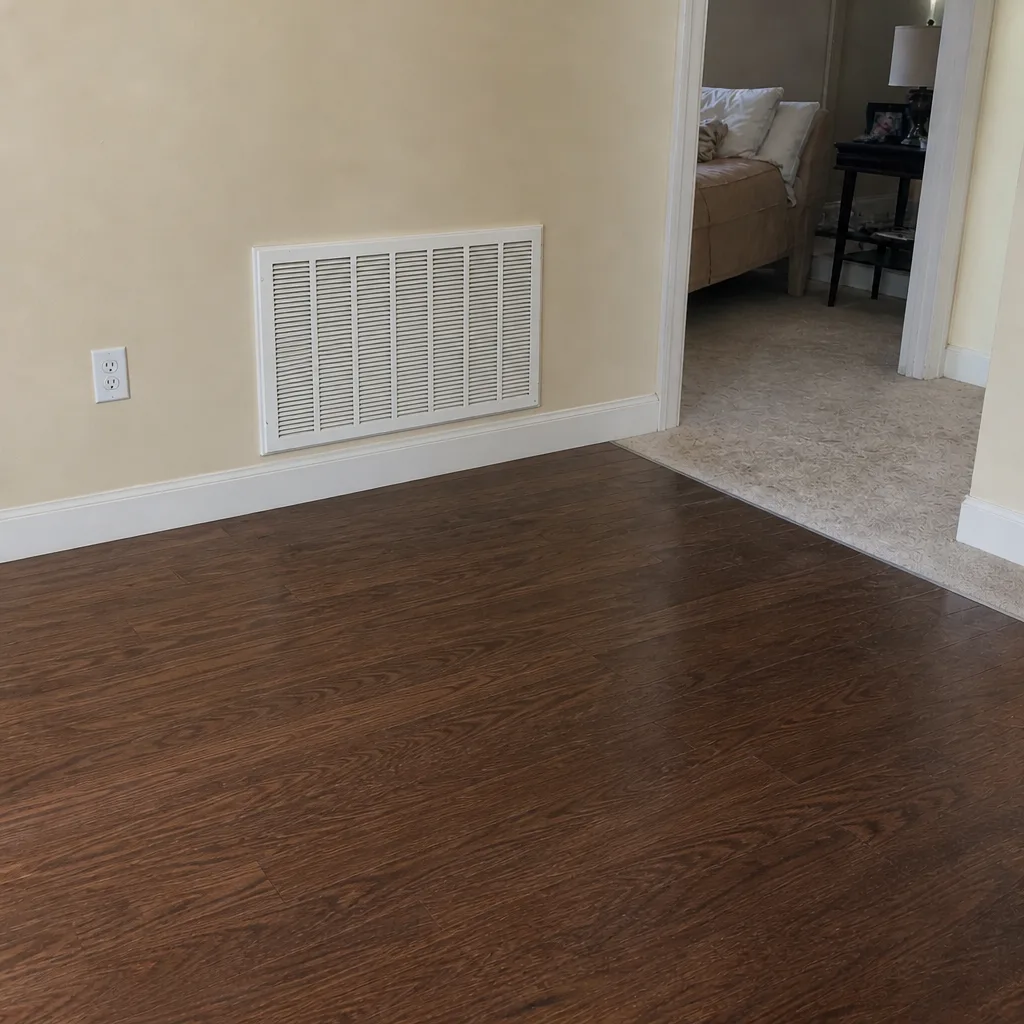 After
When to Call a Professional
Some signs mean it’s time to bring in a specialist rather than wait. If anyone in the household has worsening allergies or respiratory symptoms that seem tied to time indoors, if there’s a persistent musty smell when the system runs, or if you’ve just finished a renovation that put dust into the air, a professional assessment is worth the call. Visible dust blowing from registers after a filter change, rooms that never feel comfortable despite a running system, and a home inspection that flagged the ductwork are all reasons to get someone out. And any dryer vent that hasn’t been cleaned in years should be checked regardless. The same goes for a system that’s leaking air at the joints, which repair and sealing can address. Air Duct Cleaning Bluffview offers free estimates in Bluffview – call (855) 337-1683. We answer 24/7. Fast dispatch from 7am to 7pm, Sunday through Friday.
Frequently Asked Questions
Ask three equipment questions before booking: vacuum type (is it negative pressure?), CFM rating, and agitation method. Verify any certification directly with the issuing body, request a written scope that lists every component cleaned, and ask for a certificate of insurance. Texas doesn’t license duct cleaners, so the hiring process is the filter. Call (855) 337-1683 for a free estimate – we walk you through exactly what a whole-system clean includes.
Cheap quotes usually clean only the easiest-to-reach parts: floor registers and returns, without trunk-line access, agitation, air handler cleaning or documentation. That’s a vacuum pass, not a whole-system clean. Compare written scopes, not headline numbers, and you’ll usually see where the price difference comes from. Call (855) 337-1683 for a written estimate with a flat, per-system price agreed before work starts.
Ask for before-and-after photos of your own ducts, airflow readings at the registers, and a written scope listing every component serviced and every access point cut and sealed. A contractor who documents the work has nothing to hide. Request these at booking, not after the job. Call (855) 337-1683 and we’ll explain exactly what documentation comes with an estimate.
There’s no fixed schedule that fits every home. Households with pets, recent renovations, allergy sufferers, or a system with visible debris or musty odor benefit from more frequent cleaning; others can go much longer. The right answer comes from an inspection of your system, not a calendar. Call (855) 337-1683 to book a free estimate and get a straight assessment.
You don’t need it, but it’s a useful signal because it’s voluntary, training-based and verifiable. Confirm the certification directly with the association’s own directory rather than relying on a website logo, and make sure it’s current. A certified contractor should also be able to answer the equipment questions. Call (855) 337-1683 if you want the equipment and process explained before you decide.
The long cooling season here means systems run hard for much of the year, so the return path and air handler carry more strain from continuous run time. A contractor should focus the scope on those components and check for leaks at the joints where dust gets pulled in. If you’re not sure what your system needs, call (855) 337-1683 for a free estimate and a walkthrough.
The Bottom Line
The quality of a duct cleaning in Bluffview is set long before anyone arrives: it’s set by the questions you ask when hiring. Ask about negative pressure, CFM rating and agitation. Verify certification claims with the issuing body. Read every quote for what it omits, not just what it charges. Insist on a walkthrough, a written scope and before-and-after documentation, and ask whether the contractor can also handle repair and sealing when the walk turns up leaks. Price is per job by written estimate, and a flat per-system price agreed before work starts is the format to hold out for. Do those things and you’ll get the clean you paid for.
Air Duct Cleaning Bluffview provides full-system indoor air quality service: air duct cleaning, dryer vent cleaning, HVAC cleaning, air quality and sanitizing, and duct repair and sealing. Our technicians have up to 12 years of experience, and we use professional-grade Rotobrush and Nikro equipment on the job. Call (855) 337-1683 for a free estimate. We answer 24/7. Fast dispatch from 7am to 7pm, Sunday through Friday.
Written by the team at Air Duct Cleaning Bluffview.